
Hydrogen HPDI Fuel Systems Propel Heavy-Duty Trucks Toward Carbon Neutrality
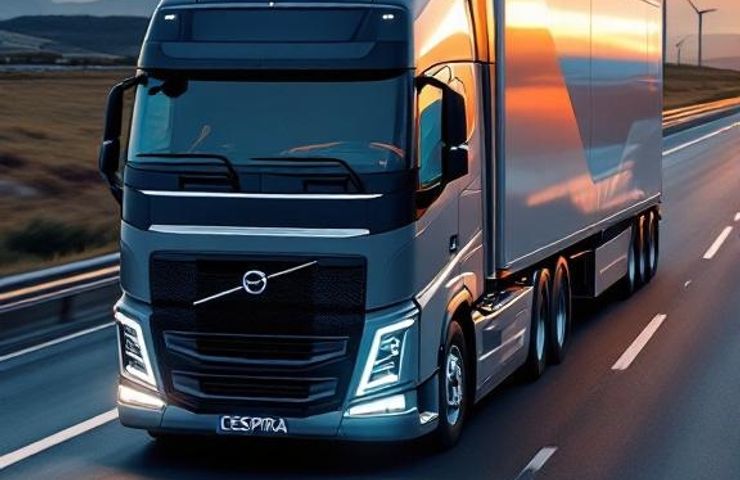
April 6, 2026Picture this: you’re rolling down a Northern European motorway and instead of the usual diesel growl, you hear a smooth hum. Those are Volvo heavy rigs, fresh from the depot and running on Cespira’s Hydrogen HPDI fuel system. It’s a sign that carbon-neutral fuels are edging into the mainstream, blending tried-and-true engine designs with a serious push toward decarbonization.
A New Horizon for Decarbonizing Heavy Transport
Back in September 2024, Cespira popped onto the scene as a joint venture—Volvo Group snagged a 45% stake, and Westport Fuel Systems brought their alt-fuel street cred. With a cool $28 million from Volvo and a $45 million earn-out ready to go, the mission was simple: adapt the proven High-Pressure Direct Injection (HPDI) architecture to gulp hydrogen instead of LNG. Since this tech already powers over 10,000 LNG and bioLNG trucks, Cespira sidesteps much of the R&D grind and aims to hit commercial roll-out well before 2030.
Building on Proven HPDI Architecture
What makes HPDI special is its knack for injecting fuel at ultra-high pressure straight into the combustion chamber. For years, this gave heavy-duty trucks on LNG diesel-comparable power and range. Now, swap in hydrogen and those emissions practically vanish—near-100% CO₂ cuts versus diesel. Better yet, fleets don’t have to gut their garages or drop heaps of cash on new rigs. These engines plug right into existing platforms, smoothing the path to real-world decarbonization without the usual headaches. Under the hood, the Hydrogen HPDI system tweaks injector nozzles and fuel rails but leaves the crankcase, pistons and transmission untouched, so maintenance crews are already in familiar territory.
Collaborations Driving Momentum
In Sweden, on-road trials are turning heads: Volvo haulers fitted with Hydrogen HPDI tech are clocking thousands of kilometers across rain-soaked roads, snowy passes and fully loaded runs. Drivers love the quiet, responsive throttle—no more lugging or turbo lag. Down in India, Volvo’s local outfit is ramping up electrical assembly, strengthening the supply chain and creating hundreds of green-tech jobs. And Westport Fuel Systems brings decades of alternative-fuel expertise to fine-tune injectors, control modules and ultra-precise emissions calibration.
Broader Impact Across Europe
This all lands at a pivotal moment: the European Union is pushing for a 55% cut in greenhouse gases by 2030 and 90% by 2040. Heavy-haul trucking is tough to electrify—battery weight and charging downtime trip up long hauls. That’s where Hydrogen HPDI shines, offering diesel-like range, pull and near-instant refuel times. Fleets can even plan for fuel self-sufficiency, turning local biomass or surplus renewables into clean hydrogen on site. And with EU grants fueling station build-outs, dedicated hydrogen corridors suddenly look within reach.
Local Benefits and Industry Standards
Cespira’s modular setup is a real blessing: convert a slice of your fleet first, then scale as refueling spots spring up. If more OEMs embrace HPDI-hydrogen, we could end up with a universal fueling interface—no more brand-specific nozzles. By joining Eurogas, Cespira is also helping to hammer out standards for hydrogen and biomethane across Europe’s clean-energy network.
Looking Ahead: A Glimpse into the Future
We’re at an inflection point for long-haul logistics: early runs show Hydrogen HPDI trucks racking up mileage with zero fossil CO₂ at the tailpipe. As Cespira, Volvo and Westport Fuel Systems gear up for scale, they’re sketching a blueprint for zero-emission freight. It’s proof that the cleanest innovations often spring from giving trusted tech a green makeover.
With momentum building and pilots under way, the heavy transport industry is gearing up for a hydrogen-powered revolution. If carbon-neutral fuels and Hydrogen HPDI engines keep gaining ground, the road ahead looks a lot cleaner for heavy-duty trucking.


 With over 15 years of reporting hydrogen news, we are your premier source for the latest updates and insights in hydrogen and renewable energy.