Hydrogen Infrastructure Anchors South Korea’s ‘Project Beaver’ Submarine Bid
June 11, 2026Let’s dive right in and talk about something pretty ambitious: Project Beaver. This initiative isn’t just about selling a few submarines; it’s about creating a whole Canadian hydrogen infrastructure and building up local hydrogen vehicles manufacturing—all wrapped up in a multibillion-dollar deal. Yeah, it’s a pretty bold move, and it’s shaking things up in the world of defense procurement while also pushing forward industrial decarbonization in light of global net-zero commitments.
Submarine Context
Now, let’s get some context here. Canada’s aging Victoria-class submarines have been facing their fair share of maintenance headaches and not enough time in the water for what feels like forever. This situation has led Ottawa to embark on a next-gen program that could rack up costs of around US$40 billion over its lifespan. Like in previous naval deals, the Canadian government is insisting on strong industrial partnerships. They’re keen to reward bidders who can bring local production, create jobs, and share tech. One of the front-runners is Hanwha Ocean, a company from Seoul, known for its impressive KSS-III diesel-electric subs. They’ve caught the attention of Canadian officials who’ve checked out their Daewoo shipyards, and the buzz is that Hanwha’s submarine operations could create around 25,000 jobs right here in Canada—something that holds political weight as much as technical value. In the past, government offsets have often been their ace in the hole.
Project Beaver Unpacked
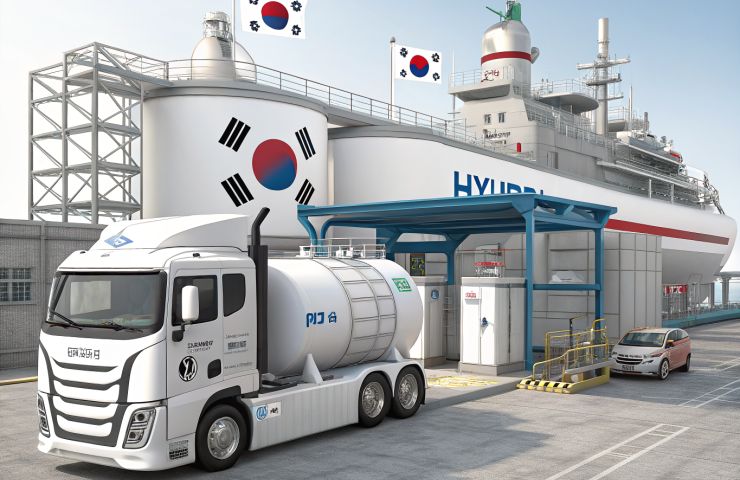
So, what’s the scoop on Project Beaver? Named to pay tribute to Canada’s beloved national animal, it has some exciting plans in the pipeline. Reports suggest that Hyundai Motor is looking to set up shop in Canada to produce heavy-duty hydrogen fuel cell trucks, building on their existing fuel cell technology. According to an exclusive from CTV News, the plan involves setting up three or four high-volume hydrogen refueling stations to create supply routes connecting ports on both coasts with key logistics hubs inland. Sure, some details, like local partnerships and export financing, are still in the works and pending government approval, but the foundation is being laid.
Industrial Blueprint
This isn’t just a pie-in-the-sky idea; it’s a working plan. Provinces from Ontario to British Columbia are already in the mix, vying for assembly roles. The vision includes securing sites, ramping up manufacturing lines for fuel cell stacks, and bringing in local suppliers. There’s talk about public-private partnerships, potentially with Canada’s Infrastructure Bank stepping in to co-invest in projects for green hydrogen production, hydrogen storage, and pipeline networks. Developers are also eyeing collaboration with universities and vocational training centers to ensure that workers are ready to hit the ground running, catering to demand from both truck volume and submarine support contracts. This approach aims to create a sustainable ecosystem instead of just ticking off some one-time offsets.
Technical Underpinnings
Now, how do these fuel cell trucks actually work? They run on compressed hydrogen at up to 700 bar—that’s high pressure! This hydrogen goes through a stack where protons pass through a membrane and mix with oxygen to generate electricity, plus some heat and water vapor as byproducts. They’ve got onboard batteries to handle power boosts and catch energy from regenerative braking. The hydrogen supply chain relies on centralized electrolysis plants powered by renewable energy, which is crucial for green hydrogen production. Then you’ve got stations to compress this hydrogen into trailers or pipelines. With ports needing specialized storage for all of this, making sure there’s enough electricity for on-site compression is vital—hence the importance of securing that green hydrogen production upstream. This strategy minimizes emissions while addressing the challenge of sparse station networks and slow charging, which is a big deal for truckers wanting quick turnarounds and no CO₂ emissions.
The Strategic Gambit
So, how does tying naval contracts to a hydrogen pipeline play into the bigger picture? Well, you’re essentially tackling two major challenges: security and climate change. Seoul has invested heavily in its hydrogen plans, and exporting that model to Canada aligns with its goals to score more international defense contracts. For Ottawa, the benefits are crystal clear—more jobs domestically, industrial growth, and progress towards those net-zero targets. Plus, competitor bids from Europe or the US don’t have quite the same clean-energy ace up their sleeves, putting them at a disadvantage when the decision-making happens.
Challenges Ahead
But hold on; there are definitely hurdles on the horizon. The timeline for breaking ground is still fuzzy, as are the production figures needed to justify those hefty electrolyzer investments. Getting the go-ahead for high-pressure facilities requires layers of regulatory approvals, which span municipal, provincial, and federal levels—and we know how slow community consultations can be. Then there’s the whole issue of hydrogen’s carbon intensity: if it’s blue hydrogen with carbon capture, the overall climate benefits aren’t as substantial. And operating heavy hydrogen rigs in freezing conditions raises concerns about insulation and reliability. Insurance for these new technologies? Still a bit of a gamble. If the submarine bid doesn’t go through, we could find ourselves with a whole bunch of stranded corridors.
Comparative Lens
Looking across the pond, Europe’s got its Trans-European Transport Network (TEN-T), which features pilot hydrogen corridors on motorways. Projects like Germany’s H2Mobil and Norway’s HySynergy show that government support can make a real difference. Australia had some bumps, though, as their heavy-truck refueling station stumbled when a supplier went under, highlighting the need for solid contract design. While Europe deals with milder weather, Canada’s got to think about how to adapt station designs for those Arctic-like winters. The good news? Canada has the chance to sidestep those issues by embedding penalty clauses and shared risk structures within their contracts.
The Maverick Verdict
Let’s get real for a second: bundling a submarine build with a hydrogen initiative is a clever but risky move. Ottawa needs to hammer out solid delivery agreements or this could end up being just another shiny offset that doesn’t pan out. What happens if the hydrogen side flops, and then the submarine deal goes down with it? Critics will have a field day. The stakes are twofold: the strategic threat if Ottawa sacrifices industrial benefits for platform capabilities, and the missed climate goals if those trucks never hit the road. They’ll definitely need demand performance bonds, milestones tied to schedules, and some third-party audits before anything starts flowing.
The Road Forward
So, where do we stand now? Ongoing negotiations suggest that the next public milestone might be formal RFP responses or announcements about pilot corridors. Expect Ottawa to be all over the details—plant locations, offtake volumes, and ensuring hydrogen sourcing meets green credentials are all on the table. A gradual rollout, starting with pilot fleets in one province and expanding as milestones are achieved, could foster accountability and build trust. Keep an eye on federal budget debates and provincial election seasons for any shifts in commitment. A clear timeline heading into the early 2030s, matching up with submarine delivery goals, will be crucial in turning Project Beaver from an ambitious plan into an operational success. Industry watchers will be curious to see if local players beyond Hyundai, including those in rail and marine, can score off-take deals. You might also see federal agencies offering loan guarantees for electrolyzer purchases. With winter looming, maintenance protocols will come under the microscope too. What’s at stake here? A potential blueprint for harnessing defense dollars to lay the groundwork for a national hydrogen economy that works—in theory and in practice.


 With over 15 years of reporting hydrogen news, we are your premier source for the latest updates and insights in hydrogen and renewable energy.