Hydrogen Infrastructure at Risk as VNG Flags Policy Uncertainty
April 7, 2026Germany’s road to a hydrogen-powered future has hit a few bumps in the road—at least that’s the buzz I’m getting from VNG, the Leipzig-based gas transmission heavyweight. A recent heads-up featured on Zeit.de spells it out: without a rock-solid political framework, people with deep pockets might think twice before diving into hydrogen infrastructure, biogas or any related networks. What’s needed is stability: clear-cut rules, transparent funding streams, and dependable import strategies. Otherwise, projects could stall before they even get off the ground, slowing down not just Germany hydrogen expansion but Europe’s green ambitions too.
Policy Gaps and Investment Triggers
Here’s the kicker for scaling up hydrogen: you need predictability like you need oxygen. VNG says investors right now are basically stuck in limbo—unsure about long-term tariffs, hydrogen and biogas blending quotas, or the plan for imported molecules. No clear contracts-for-difference or ironclad import rules—from Norway, North Africa, or wherever—means nobody can nail down what their returns will look like. And that’s not just theoretical fluff: it’s already holding up plans for electrolyzer factories and pipeline builds. Stall the infrastructure, and the whole value chain—from production to consumption—grinds to a halt.
We’ve seen this show before during earlier stages of the Energiewende. Remember the roller coaster of solar feed-in tariffs? One tweak and you’d get boom-and-bust cycles. Then onshore wind permit changes turned timelines into multi-year sagas. Now, it looks like hydrogen infrastructure could face the same whiplash unless policymakers commit to stable, long-term rules. Pipelines, storage caverns, large-scale electrolyzers—these are multi-decade bets. A stop-and-go approach can kill a deal faster than you can say “decarbonization.”
Understanding Hydrogen and Biogas Technologies
Let’s break down the tech without the jargon. Hydrogen infrastructure is basically a network for making, moving, and storing H₂. For green hydrogen, you’re splitting water with renewable electrons; for other types, you reform natural gas. Once produced, the gas travels via pipelines or ships compressed or liquefied, then sits snugly in salt caverns or pressurized tanks. Biogas, by contrast, is renewable methane cooked up by digesting biomass—think farm leftovers. You can feed it straight into the grid or upgrade it to biomethane for cleaner burn.
Blending biogas with hydrogen in today’s pipelines is a low-hanging fruit for cranking up renewables without laying fresh pipes. VNG has already tested this in pilots like H2Starts and Get H2, mixing in up to 20% hydrogen. The results? It works. Scaling up, though, needs serious cash—and that hinges on policy certainty. Investors won’t throw money at projects when the ground keeps shifting under their feet.
Germany’s National Hydrogen Strategy in Focus
Germany rolled out its National Hydrogen Strategy back in 2020, ploughing about €9 billion into jump-starting the market: electrolyzer roll-outs, pilot storage schemes, you name it. That move shouted from the rooftops that Berlin was all-in on decarbonizing tough sectors—steel, chemicals, heavy transport, the works. But fast-forward a few years and some key build-outs are still stuck in the planning phase. VNG’s latest warning is a reminder that if the follow-up policy steps aren’t just as gutsy and consistent, the momentum could taper off just as quickly as it started.
Building the Core Network
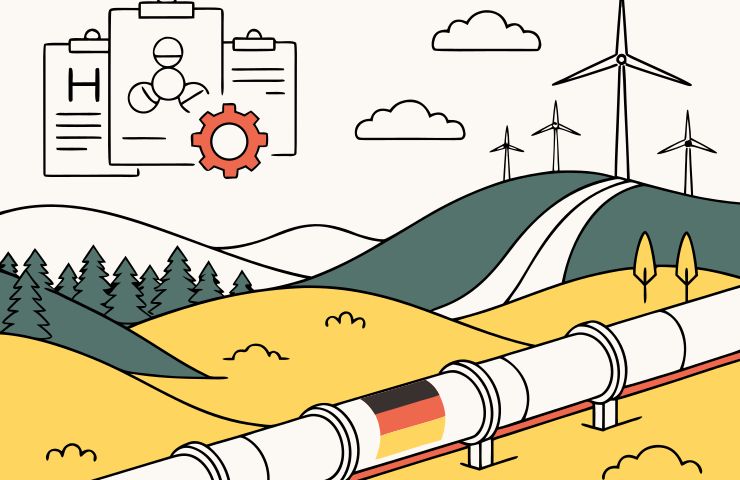
At the heart of this plan is a 9,700 km “core network” for hydrogen, due by 2032 and managed by a consortium that includes VNG. Imagine linking offshore electrolysis sites in the North Sea to refineries, steel mills, and industrial hubs inland. Sounds great—until you remember pipelines are mega-expensive and built to stick around for decades. Operators need upfront signals—guaranteed throughput volumes or cost-sharing deals—so they can justify those capital outlays. Without that clarity, you end up with half-built routes and corridors that echo with missed opportunities.
Collateral Impacts on Industry and Security
When hydrogen hits the brakes, it’s not just a bureaucratic blip. There are real-world consequences. Germany’s industries are banking on low-carbon hydrogen to crush CO₂ emissions, and missing the REPowerEU targets could jack up transition costs for everyone. Then there’s jobs: analysts say we could see 100,000 new roles by 2030—if we get moving. Plus, let’s not forget energy sovereignty: post-2022 Ukraine crisis, Germany’s been itching to shed dependence on Russian gas. A stall in green hydrogen development could leave that goal hanging in the wind.
Supporting Projects with EU Mechanisms
To fill the gaps, Brussels rolled out the EU Hydrogen Bank, kicking off auctions in 2024 to co-fund electrolyzer projects. It’s a solid start, but national-level backing still needs to play catch-up. Policymakers have to harmonize rules for certifying green H₂, channel EU funds efficiently, and streamline permitting. In short, EU and domestic instruments must sing from the same hymn sheet.
Public-Private Collaboration: A Key Ingredient
If there’s another secret sauce, it’s teaming up. VNG has been forging partnerships with big utilities and government bodies to share know-how and spread risks on hydrogen ventures. From technical studies to pilot operations, these alliances help cut costs and speed up the learning curve. But joint efforts need a steady regulatory horizon—otherwise, rolling rule changes can unravel long-term deals. A solid framework is a win-win: companies get the security they crave, governments hit climate targets, and citizens enjoy cleaner air and job growth. That collaborative spirit could be the glue that holds Germany hydrogen expansion together.
Next Steps for a Robust Framework
Alright, so what’s next? First, roll out contracts-for-difference or guaranteed tariffs for hydrogen producers—that’s the anchor investors need. Second, lock in binding hydrogen blending quotas and biogas injection rules so pipeline volumes stay rock-steady. Third, align permitting rules across federal, state, and EU levels—fast-track approvals but keep safety top-notch. Finally, nail down import strategies with partner nations. With these puzzle pieces in place, hydrogen investment won’t feel like a gamble—investors will see a clear map to returns and dive in instead of sitting on the sidelines.
Bottom line: VNG’s call for clear framework conditions isn’t just corporate posturing—it’s a flashing beacon for the whole energy policy game. Nail the policy, keep it consistent, and you’ll ignite a wave of investment that supercharges electrolyzers, pipelines, and storage caverns. That, in turn, powers decarbonization, spurs green job creation, and delivers real energy sovereignty across Europe. Shine the spotlight on policy, hold it steady, and we’ll be built for the future.

 With over 15 years of reporting hydrogen news, we are your premier source for the latest updates and insights in hydrogen and renewable energy.