
Hydrogen Infrastructure Boost: Fraunhofer IWU Expands Chemnitz Test Lab and Launches HyVentus Platform
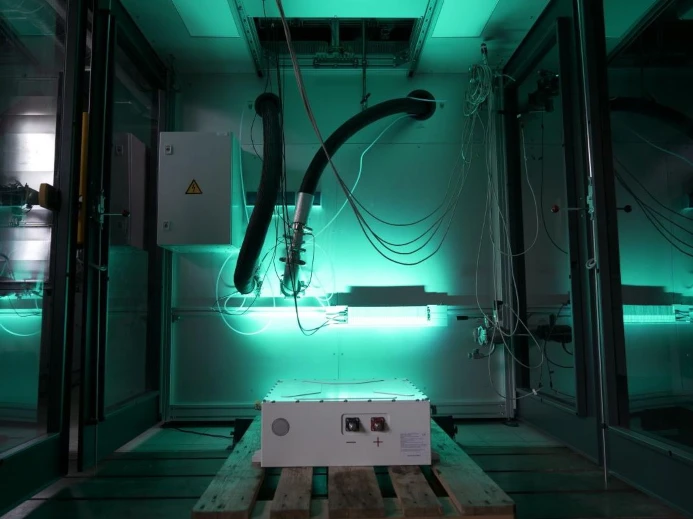
June 15, 2026This month, the Fraunhofer Institute for Machine Tools and Forming Technology IWU has really made waves in hydrogen news by ramping up its hydrogen test laboratory in Chemnitz. This isn’t just any expansion; it’s a major leap from basic research to validating industrial applications. Now, industrial partners can dive right into the cutting-edge 80-kW fuel-cell test bench and explore 250-W and 1-kW systems, with plans for multi-megawatt electrolyzer tests—all in one convenient place. Talk about a future-proof approach to clean hydrogen production, hydrogen storage, and overcoming those pesky development bottlenecks!
From Lab to Industrial Hub
With a year under its belt, the Chemnitz facility is already making strides by hosting customer projects that transcend mere proof of concept. Developers are now able to validate everything from membranes and seals to catalysts under realistic operating conditions. They’re putting essential components—like pumps, sensors, humidifiers, and heat exchangers—through rigorous performance and durability tests. This means companies can catch any issues early on and refine their designs before diving into full-scale production. By bringing together component and system-level testing, Fraunhofer IWU is creating a one-stop-shop that speeds up green hydrogen production.
One-Stop-Shop Validation
This isn’t just a random research setup—instead, it’s a fully comprehensive testing and validation center. Whether you’re working with mini-stacks at 250 W or full modules at 80 kW, this lab measures voltage, current, impedance, and aging behavior. You can simulate everything from mechanical stresses to tough environmental conditions, run cyclic voltammetry to spot any changes at the catalyst surface, and gather traceable data that aligns with EU and U.S. standards. That level of detail gives project financiers the confidence they need and sets the stage for smooth certification of hydrogen infrastructure components.
The Secret Sauce: HyVentus Platform
Now let’s talk about HyVentus—this modular electrolyzer stack platform is all about collaboration. Partners can slide in their membranes, seals, or bipolar plates and test them in a fully equipped stack environment. If that’s not your thing, the Fraunhofer Reference-factory.H2 team can integrate components right there in-house. This open architecture speeds up the development process, allowing for quick comparisons between design options and pushing everything closer to ready-for-manufacturing status.
Serious About Leading the Energy Transition
Germany has long put its chips on public research infrastructure to decarbonize industry. The Fraunhofer Hydrogen Lab Görlitz and other local facilities laid the groundwork by focusing on electrolyzer and fuel-cell research. Now, with Chemnitz evolving into an industrial validation node, they’re bridging the gap between lab testing and mass manufacturing. This strategic move bolsters resilient hydrogen infrastructure and strengthens Europe’s position in the global hydrogen economy.
Bridging the Value Chain
A notable feature here is the breadth of testing capabilities available. Fuel-cell modules at 80 kW can be directly linked to stack-level tests, and they’re looking to validate electrolyzers up to 2 MW soon. Developers can integrate partner sensors for real-time monitoring, observe degradation over countless cycles, and figure out which losses can be reversed. This comprehensive testing approach is especially beneficial for sectors like steelmaking, chemicals, and heavy transport, where continuous reliability is non-negotiable.
Economic and Environmental Impact
This new infrastructure is a game changer, especially for small and mid-sized manufacturers who can’t swing their own testing labs. By making advanced validation services available, IWU is cutting down risks and costs for component suppliers and integrators. Locally, Saxony’s mechanical engineering sector is set to have a competitive edge in the burgeoning market for green hydrogen production. Plus, the validated, reliable systems contribute to fewer field failures, less waste, and better greenhouse gas profiles throughout the product lifecycle.
Supporting Standards and Certification
Solid test data is crucial for any hydrogen project financing. The Chemnitz lab adheres to protocols that align with both international and customer-specific standards, churning out documented reports that facilitate permitting and type approval. Whether the equipment finds its home in refueling stations, industrial boilers, or fuel-cell-powered data centers, having a clear, traceable validation process is key for successful market entry and meeting regulatory requirements.
Regional Hydrogen Ecosystem
The expansion in Chemnitz plays a pivotal role in bolstering Saxony’s hydrogen cluster. With nearby facilities in Görlitz and Dresden, this location now boasts unparalleled testing capabilities and collaborative design environments. Local research institutions, OEMs, and supply-chain partners have a shared space to co-develop the next generation of electrolyzers and fuel cells. By connecting testing infrastructure, virtual production, and open platforms, Fraunhofer IWU is nurturing an ecosystem where innovations can swiftly transition from lab benches to production floors.
Built for the Future
Looking ahead, there are plans to scale the test bench for megawatt-class electrolyzer validation, directly reflecting the path of commercial systems and ensuring that the lab is ahead of the game as market demands evolve. With its existing network of hydrogen labs and the Reference-factory.H2 virtual environment, Chemnitz is cementing its status as a go-to hub for hydrogen fuel cell news, hydrogen production methods, and system-level validation.
Bottom line…
If you’ve been wondering “how do hydrogen fuel cells work?” or pondering “green hydrogen vs blue hydrogen,” this latest development at Fraunhofer IWU is a big deal. By offering extensive testing and the innovative HyVentus platform, they’re clearly committed to leading the charge in the energy transition. For partners looking to build solid and scalable hydrogen infrastructure, the Chemnitz lab and HyVentus might just be the secret weapons needed to tackle commercialization challenges and hit the market faster.


 With over 15 years of reporting hydrogen news, we are your premier source for the latest updates and insights in hydrogen and renewable energy.
