
Hydrogen Infrastructure: DNV Releases DNV-RP-F123 for Offshore Hydrogen Pipelines
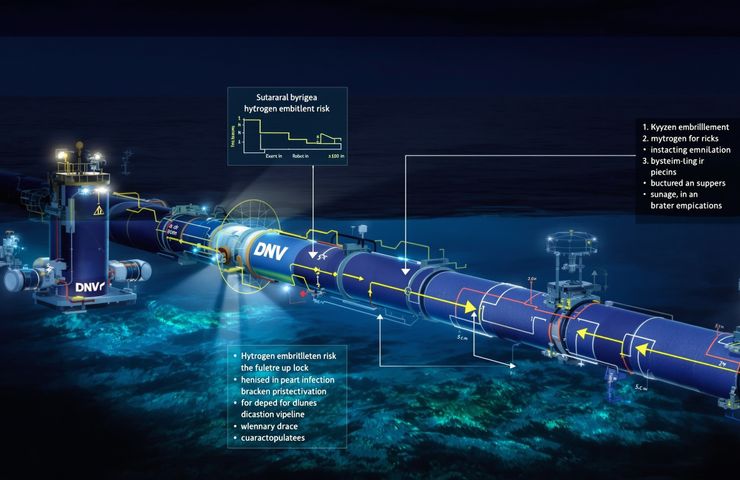
March 30, 2026This March, DNV has rolled out its DNV-RP-F123 Hydrogen Pipeline Systems, the industry’s first all-in-one playbook for offshore hydrogen pipelines. Think of it as a clear blueprint for operators, engineers and investors who are sketching out subsea infrastructure to carry pure hydrogen or hydrogen blends. With hydrogen fast becoming a linchpin in global industrial decarbonization, having reliable guidance on tricky issues—like hydrogen embrittlement—is a game-changer. This RP bridges the gap between legacy natural gas codes and the quirks of hydrogen service, setting the stage for a robust hydrogen infrastructure at sea.
Global Context
All around the world, governments are racing toward net-zero targets, and cranking up hydrogen production and distribution is front and center. The EU’s hydrogen strategy, along with parallel plans in Asia and North America, imagines sprawling corridors that link renewable energy hubs to factories and ports. The snag? Many existing offshore pipelines were only ever meant for natural gas, so operators have been pretty much flying blind when it comes to hydrogen-specific failure modes. By tackling embrittlement, leak dynamics and requalification head-on, DNV-RP-F123 is here to clear away the uncertainty and speed up project rollouts.
DNV’s Heritage and the H2Pipe JIP
Founded as Det Norske Veritas in 1864, DNV has spent more than 160 years helping the energy sector manage technical and safety risks. Its submarine pipeline code, DNV-ST-F101, debuted in 1976 and quickly became the go-to reference for undersea oil and gas transport. A 2013 merger with Germanischer Lloyd only bolstered that expertise. Between 2021 and 2026, DNV led the H2Pipe Joint Industry Project (JIP), uniting labs, operators and material experts to study how hydrogen behaves in steel. The hands-on insights from those experiments form the core of the new RP.
What’s in the RP
At heart, DNV-RP-F123 plugs hydrogen-specific chapters into the existing submarine pipeline standard, covering every phase from design and operation to requalification. During design, you’ll find guidelines on picking the right materials, wall thicknesses and mechanical specs to match hydrogen’s tiny molecules. For operations, the RP spells out monitoring tricks, leak-detection routines and maintenance schedules fine-tuned for hydrogen blends. When it’s time to requalify, there’s a step-by-step plan to vet old oil or gas pipelines before repurposing them for a hydrogen pipeline service. By looking at the full lifecycle, DNV helps you avoid quick fixes that can sneak in hidden risks.
Technical Highlights
One of the standout sections tackles hydrogen embrittlement, where hydrogen atoms slip into steel and make it brittle. You get an evidence-based method to pin down embrittlement limits, factoring in pressure swings, temperature changes and protective coatings. The RP also dives into hydrogen permeation and leak behavior in blended gas streams, recommending max hydrogen concentrations for existing lines. All of these pointers come straight from lab trials, full-scale tests and numerical models run under the H2Pipe JIP umbrella and at places like the Spadeadam R&D centre in Northern England.
Market Impact
Put simply, this RP bridges a massive gap for companies keen to pivot from natural gas to hydrogen transport without reinventing the wheel. Operators can requalify North Sea or Mediterranean pipelines, slashing both permitting time and upfront costs. Investors win too—clearer safety and integrity criteria mean less project risk and easier financing. That’s huge for planned European hydrogen corridors linking North Africa, Southern Europe and beyond. By standardizing risk assessments and design checks, DNV-RP-F123 paves the way for a scalable offshore hydrogen market.
Strategic Relevance
The timing couldn’t be better. Hard-to-abate sectors like heavy industry and shipping shoulder a big chunk of global emissions and can’t simply switch to electrification. Robust hydrogen infrastructure and pipelines open the door to low-carbon feedstocks and fuels—whether green hydrogen from renewables or low-carbon H₂ from carbon capture. For the maritime world, a distributed hydrogen network supports fuel-cell ships and ammonia-cracking setups, steering us toward zero-emission vessels. By tackling technical hurdles around hydrogen transport, this RP is a real boost for worldwide industrial decarbonization strategies.
Key Takeaways
- First dedicated RP for offshore hydrogen pipelines, weaving together design, operation and requalification advice.
- Extends DNV-ST-F101 with hydrogen-specific rules on materials, leak detection and embrittlement thresholds.
- Built on H2Pipe JIP findings (2021–2026), combining lab work, field trials and full-scale testing plans at Spadeadam.
- Lets companies repurpose existing subsea assets, cutting capex and speeding up execution.
- Reduces technical uncertainty for investors, supercharging large-scale hydrogen infrastructure roll-out.
Next Steps and Outlook
Later this year, DNV will publish full-scale test results from Spadeadam, giving even deeper insight into material behavior under real-world cycles. Engineers and project developers can grab the complete DNV-RP-F123 from DNV’s website, and the technical teams are on standby to offer everything from management-of-change reviews to third-party audits. As more players adopt the RP, expect smoother permitting, tighter safety cases and a faster conversion of oil and gas pipelines into hydrogen pipelines. That momentum is key if we want to hit those ambitious net-zero goals on time.
In short, DNV-RP-F123 is a hands-on toolkit for anyone ready to embrace hydrogen transport. By laying out best practices and sharing extensive test data, DNV is lowering the bar for safe, reliable offshore hydrogen projects and helping de-risk investments along the way. We’re stepping into an era where energy infrastructure needs to be both flexible and rock-solid, and this RP is a big leap forward.
About DNV
DNV is an independent energy expert and assurance provider, specializing in risk management, certification and advisory services across oil & gas, renewables and hydrogen. Founded in Norway in 1864, DNV helps companies navigate complex technical and safety challenges on their path to sustainable energy futures.


 With over 15 years of reporting hydrogen news, we are your premier source for the latest updates and insights in hydrogen and renewable energy.
