Hydrogen Infrastructure Expansion: Hydrovia™ Energy to Roll Out 500+ Stations and Launch H₂Ai
April 26, 2026Just the other week, Hydrovia™ Energy in Coeur d’Alene, Idaho, rolled out a two-pronged plan to tackle two of hydrogen’s biggest hurdles in the U.S.: finding refueling spots for fleets and closing the knowledge gap. They’ve mapped out over 500 hydrogen stations along three major east-west corridors, and at the same time launched H₂Ai, a round-the-clock, AI-powered hydrogen intelligence tool from LaunchField℠ Digital. Together, these moves are all about boosting heavy-duty operators’ confidence and fast-tracking hydrogen infrastructure growth.
- Network scale: Over 500 stations draping three key freight corridors coast-to-coast
- Digital support: H₂Ai taps into more than 36 expert frameworks
- Target audience: Class 8 haulers and big commercial fleets
- Production hubs: Modular units popping up next to stations for on-site hydrogen storage
- Public roadmap: An interactive deployment timeline you can explore online
- Platform access: Dive into H₂Ai live at www.hydroviaenergy.com/h2ai
Bridging the Fuel Gap for Heavy-Duty Fleets
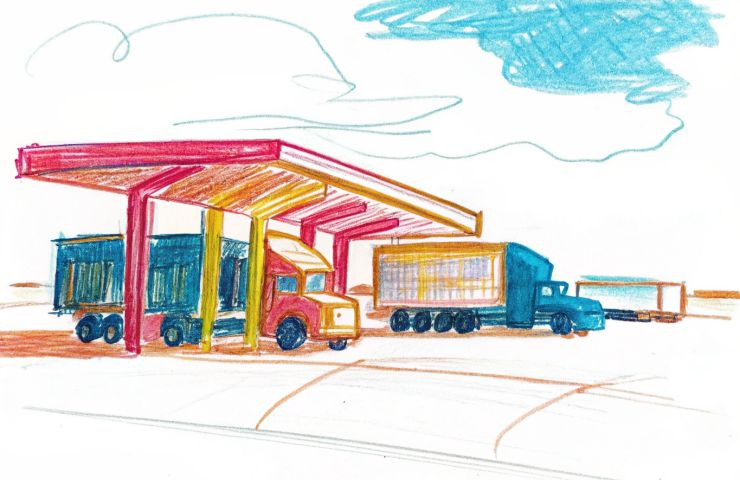
Range anxiety has been the Achilles’ heel for fuel cell technology–powered rigs, thanks to spotty refueling along long stretches. By zeroing in on three major east-west arteries, Hydrovia™ Energy aims to stitch together a seamless chain of hydrogen infrastructure that mirrors today’s diesel networks. They’re not naming the highways just yet, but the mission is clear: give Class 8 operators reliable pit stops on coast-to-coast runs so they don’t have to sweat their next fill-up.
Marrying Production and Distribution
Each station isn’t just a pump; it pairs with a compact hydrogen production unit tucked nearby. Producing closer to the point of use means you avoid hauling hydrogen hundreds of miles, smoothing out supply-chain headaches. This modular setup can flex and grow as needed, laying the groundwork for regional hubs that cut risks tied to giant, centralized plants—and supercharge industrial decarbonization.
Launching H₂Ai: Knowledge on Tap
All the stations in the world won’t help if nobody knows how to use them safely and efficiently. That’s why they built H₂Ai, billed as the first 24/7 Hydrogen Intelligence System—though an independent stamp of approval is still pending. Created by LaunchField℠ Digital, it’s a searchable library pulling from over 36 specialized frameworks, covering everything from fuel cell design to station upkeep. It’s live now on Hydrovia’s site for anyone curious about hydrogen storage, handling and how this fits into the bigger sustainable energy picture.
AI’s Role in Fuel Adoption
AI isn’t just a buzzword here; it’s the secret sauce that untangles the tangle of technical specs, safety rules and regulatory red tape around hydrogen. With natural language processing at its core, H₂Ai fields questions on electrolysis, compression, hydrogen storage and dispensing in real time—gold for merchants, technicians or regulators racing against the clock. Faster answers mean you can drop fuel cell technology trucks into your fleet with less fuss.
Combating Information Asymmetry
For many fleet managers, hydrogen might as well be a foreign language. Safety standards, best practices and local regs can feel like a maze. That’s where H₂Ai steps in as a one-stop shop, dishing out vetted advice—from wrangling high-pressure gas safely to crunching the numbers on running fuel cell electric vehicles. Knock out the guesswork, and you smooth the path for permits, purchases and on-the-road operations.
Strategic and Environmental Impact
The beauty of this twin approach is how it hits both nuts-and-bolts and big-picture levers. Physically, a solid station network tackles the immediate pain point: fuel access. Digitally, a slick knowledge platform shrinks uncertainty and builds trust. Together, they could speed heavy-duty hydrogen adoption—vital for industrial decarbonization in freight. Cleaner fuel on high-volume routes promises to slash greenhouse gas emissions and curb local pollution compared to diesel.
Historical Context and Industry Gaps
Hydrogen’s been on the R&D radar for decades, but in the U.S., it rarely broke past pilot phases. Spotty infrastructure and fractured info kept fleets on the sidelines. Early demos proved it could work, but without a clear refueling network, nobody took the plunge. Likewise, scattered resources left too many questions unanswered. Hydrovia™ Energy calls these the “where to fuel” and “what to know” dilemmas—and they’re tackling both head-on.
Next Steps and Market Signals
Hydrovia says site scouting and permitting are already in full swing, with initial stations slated for high-demand freight corridors. Their public roadmap lays out a phased launch, though final dates hinge on regulator green lights. Meanwhile, H₂Ai is up and running for anyone digging into hydrogen infrastructure logistics, tech specs or safety protocols. Keep an eye on station opening dates and AI usage stats—they’ll show industry insiders if the rollout’s on track.
Challenges and Considerations
Let’s be real: building a coast-to-coast network takes time, capital and a ton of coordination—land leases, permits, utility hookups, you name it. And while H₂Ai centralizes knowledge, its value hinges on up-to-the-minute accuracy and whether folks actually use it. The claim of drawing from 36+ specialized frameworks hasn’t been independently audited, so stakeholders will want clear source docs. Plus, Hydrovia’s success relies on tight partnerships with truckmakers, fleet ops and regulators to ensure tech standards match real-world needs.
Looking Ahead
For fleet managers, policymakers and clean energy champions, this signals that U.S. hydrogen infrastructure is stepping into adulthood. If they pull it off, Hydrovia’s combo of sites and AI could become the blueprint for other regions. In the near term, eyes will be on the first stations flipping on and real-world feedback rolling in. Down the road, widespread adoption of heavy-duty fuel cell rigs could reshape freight emissions and power broader sustainable energy goals.
About Hydrovia™ Energy
Based in Coeur d’Alene, Idaho, Hydrovia™ Energy is all about crafting a nationwide hydrogen infrastructure network. They design modular production units and Class 8 fueling stations along major freight routes, and their public roadmap lays out over 500 planned sites—timed to rolling permitting and site readiness. On top of that, they’ve launched H₂Ai to dish out round-the-clock expert insights for anyone working with hydrogen, from station operators to regulators.

 With over 15 years of reporting hydrogen news, we are your premier source for the latest updates and insights in hydrogen and renewable energy.