Hydrogen Infrastructure Innovation: H4PERION’s ICE Retrofit on Aurora Botnia Demonstrates Zero-Emission Maritime Operation
University of Vaasa’s H4PERION project will retrofit the Aurora Botnia ferry with a hydrogen-capable ICE, demonstrating near-zero carbon emissions and advancing hydrogen infrastructure for ice-class routes.
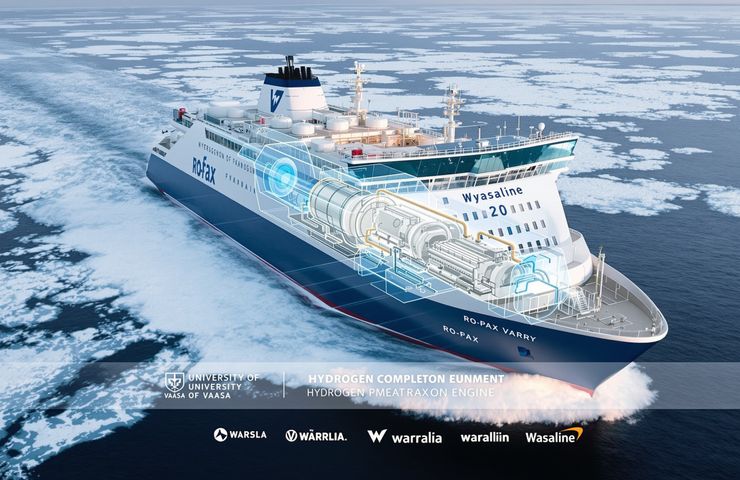
The University of Vaasa is diving into an exciting four-year project called H4PERION, backed by the EU’s Horizon Europe program. The goal? To transform the Aurora Botnia ferry operated by Wasaline into a showcase for a hydrogen-capable internal combustion engine (ICE). This project is all about blending hydrogen with biomethane, using cutting-edge technology to aim for ultra-low emissions along the Vaasa–Umeå route in the Baltic Sea.
Quick Project Overview
- The University of Vaasa is leading a coalition of 16 partners from seven different countries.
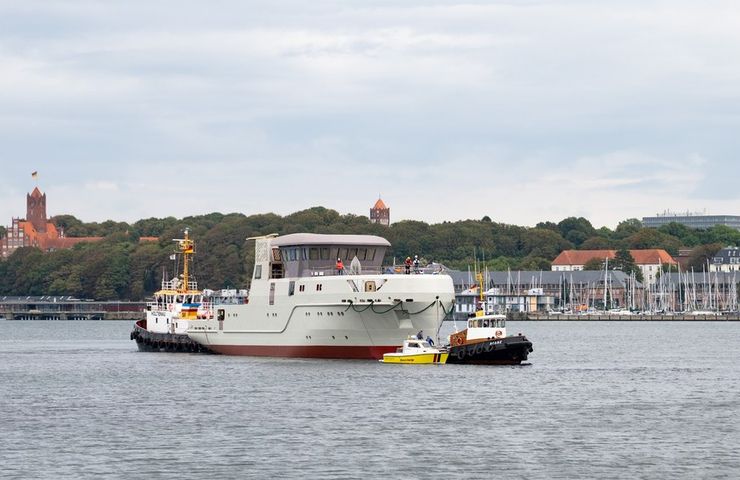
- We're talking about a 24,300 GT, 150-meter ro-pax ferry called Aurora Botnia, which has been upgraded to include 12.6 MWh batteries.
- Wärtsilä is the engine partner, bringing expertise in using hydrogen and biomethane together.
- Wasaline operates the ferry service under icy conditions.
- This project is funding-friendly, thanks to support from Horizon Europe aiming for their Fit for 55 goals.
This retrofit is a game-changer as it marks the first time a large-scale marine ICE will run on hydrogen while navigating icy waters. By mixing hydrogen with biomethane, the project aims to get thermal efficiency above 55 percent and completely eliminate carbon dioxide emissions when using green hydrogen. To keep everything safe, they'll use high-pressure tanks designed with strict regulations, which also helps boost the growing hydrogen infrastructure in the Baltic region.
Technology Behind the Scenes: RCCI and Fuel Blending
At the heart of this initiative lies a unique combustion strategy. Hydrogen is used as the low-reactivity fuel, injected into the chambers, while biomethane acts as a high-reactivity pilot fuel. This Reactivity Controlled Compression Ignition (RCCI) method allows the engine to optimize combustion and drastically lower NOx and soot emissions, without relying solely on aftertreatment technologies. Plus, variable valve actuation makes sure the engine adjusts to icy seas, keeping performance steady and reliable even in the cold.
For smooth zero-carbon operation, advanced aftertreatment systems come into play. Selective catalytic reduction specifically designed for high-hydrogen emissions tackles leftover NOx, and optimized particulate filters ensure the engine remains efficient no matter what fuel mix is in use. These systems work together to strive for near-zero emissions across all operational scenarios.
Strategic Importance and Market Implications
This project is in step with the EU's ambition to reduce shipping emissions by a whopping 80 percent by 2050. Considering that shipping accounts for around 3 percent of global CO2 emissions, initiatives like H4PERION are critical in meeting the bloc’s Fit for 55 and REPowerEU goals. Showcasing a hydrogen-powered ICE on a prominent ferry could pave the way for new hydrogen production methods and spark investment in fueling stations along the coast.
The economic impact is notable, too. The consortium is tapping into Horizon Europe’s extensive funding resources, sparking cross-border collaboration and job creation in research, manufacturing, and operational sectors. If this project succeeds, it could place European engine manufacturers and shipowners at the forefront of zero-emission marine technology, giving them a competitive edge over players in Asia and North America.
Contributions Across the Value Chain
The University of Vaasa brings a wealth of knowledge in hydrogen use and storage. They’ve recently invested in lab infrastructure and created a forum for hydrogen research. Wärtsilä contributes its robust dual-fuel platform, customizing it for high-pressure hydrogen use. Meanwhile, Wasaline lends its operational know-how through real-world ferry services, validating the project under commercial schedules and icy navigation challenges.
Local Hydrogen Ecosystem
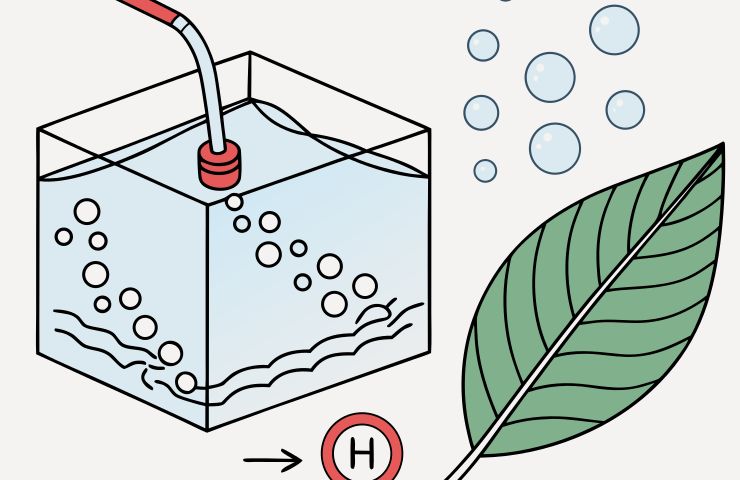
The Ostrobothnia region of Vaasa is more than just a test site for ships—it's a burgeoning hub for hydrogen innovation. Home to around 71,000 residents and a strong focus on energy, it supports the Academic Hydrogen Research Forum Finland along with various pilot plants. Local wind and solar farms provide a steady supply of renewable resources for green hydrogen production through electrolyzers, facilitating onshore storage and maritime refueling stations. This interconnected ecosystem is essential for bolstering the hydrogen infrastructure we need across Europe.
Hydrogen Storage and Refueling
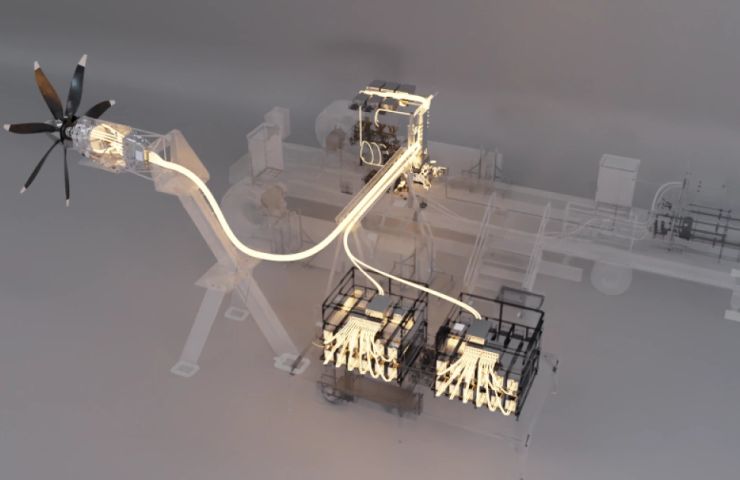
For hydrogen storage on the ship, high-pressure tanks are the standard, but future models might explore the use of liquid hydrogen for improved energy density. The H4PERION project uses Type IV composite cylinders rated for several hundred bars, equipped with sensors and safety features following classification society guidelines. They're also looking into shore-based bunkering concepts, including mobile dispensers linked to coastal electrolyzer stations.
Regulatory Environment and Policy Impact
The EU is steering maritime decarbonization with regulations like the Energy Efficiency Existing Ship Index (EEXI) and the Carbon Intensity Indicator (CII), designed to incentivize low-carbon technologies. H4PERION benefits from the Fit for 55 package and aligns with the European Emissions Trading System expansion into shipping, which indicates higher carbon costs ahead. This regulatory framework is making innovative concepts like hydrogen ICE increasingly competitive against LNG and traditional fuel sources.
Why Go for Combustion Over Fuel Cells?
While fuel cells have garnered attention for eco-friendly vessels—demonstrating impressive outputs with PEM technology—they still face hurdles like high costs and durability issues, particularly with the cold logistics of liquid hydrogen. Hydrogen combustion engines deliver similar efficiencies and can be integrated into existing marine engines quickly. If H4PERION proves successful, it could shift perceptions, showing that hydrogen fuel news encompasses more than just fuel cells, expanding into scalable hybrid power plants.
Project Timeline and Future Plans
The H4PERION project unfolds over four years, featuring phases for design, bench tests, and engine integration at Vaasa shipyards, followed by sea trials that will monitor emissions, fuel use, and system resilience through various conditions. Gathering and standardizing this data will help shape guidelines for retrofitting commercial vessels and scaling up to larger ships, tankers, and offshore service crafts.
Looking Ahead: The Bigger Picture
Hydrogen propulsion in shipping has moved from small-scale trials to large-scale trials over the last decade. Initial pilot projects trialed PEM fuel cells, but the combustion engines like H4PERION’s are proving to be more efficient for long trips and icy waters. With tests in Japan and various EU initiatives paving the way, this is the first extensive four-year trial on such a sizable vessel as the Aurora Botnia.
As the project progresses, we'll dive into extensive sea trials to evaluate performance, fuel economy, and emissions under seasonal conditions. If all goes according to plan, we’ll set up a roadmap for retrofitting existing fleets and establish standards for onboard hydrogen storage and bunkering systems, while also addressing the challenge of scaling green hydrogen supply chains for the maritime sector.
What to Keep an Eye On
If H4PERION meets its goals, we could witness a wave of interest: increased investments in electrolyzers, new refueling stations popping up along major trade routes, and innovative business models for clean fuel agreements. Europe’s success in blending renewable energy, storage, and shipping could set an example for other regions to follow. For those who’ve been keeping track, the real test will come from the upcoming sea trial data—not just for the engine, but for proving that hydrogen-powered trade on the high seas can really become a reality.
Ultimately, this retrofit project isn’t just a technical achievement; it’s a litmus test for the maritime sector's hydrogen aspirations. If it withstands the challenges of Baltic ice and commercial operations, we might just be closer to realizing a zero-carbon shipping future than we think.