Hydrogen infrastructure research hub in Bavaria secures €54m funding
February 16, 2026Nestled in rural Bavaria, a brand-new high-tech hub is gearing up to fast-track hydrogen mobility solutions for heavy-duty transport and urban air mobility. Thanks to a €54 million shot in the arm from the Federal Ministry of Transport (BMV), this project unites universities, tech firms and government agencies to build and run top-notch facilities dedicated to testing hydrogen infrastructure.
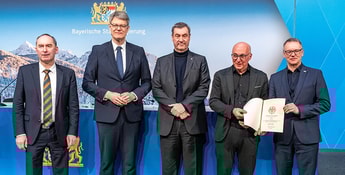
At a ceremony in Munich, Federal Transport Minister Patrick Schnieder officially signed off on funds for the Hydrogen Technology User Centre (WTAZ) in Pfeffenhausen. Led by Technische Hochschule Ingolstadt (THI) and joined by OTH Regensburg, Landshut University of Applied Sciences, HyTACC, HyTACC CRYO and the municipal company H2LA, all under the wing of the Free State of Bavaria, WTAZ will host advanced test benches, storage rigs and liquefaction units right next to an onsite green hydrogen production facility.
Cutting-edge testing facilities
- Hydrogen vehicle test bench: Imagine a one-stop lab with a climate chamber and driving simulators that mimic real-world conditions—ideal for pushing fuel cell and hydrogen-drive systems on performance, durability and safety.
- H2 combustion engine test stand: Custom-built to give hydrogen-fueled internal combustion engines a thorough workout, covering efficiency mapping, emission analysis and integration trials for both on-road trucks and next-gen aerial platforms.
- Hydrogen storage thermal test stand: A dedicated rig that puts storage materials and tank designs through all kinds of temperature swings, ensuring reliable, safe hydrogen storage from scorching summers to sub-zero winters.
- Green liquid hydrogen liquefier: Powered by HyTACC CRYO’s cryogenic expertise, this unit chills electrolyser-produced green hydrogen down to liquid form, packing more H₂ into less space for long-range transport trials.
Strategic impact for heavy-duty transport and urban air mobility
By pooling academic know-how and industrial muscle, WTAZ tears down the barriers that usually keep SMEs and startups from certifying and rolling out their hydrogen gear. Instead of splashing out on expensive in-house infrastructure, companies can tap turnkey testing services here—speeding up development for trucks, buses and emerging urban air vehicles. This collaborative setup echoes other Hydrogen Innovation and Technology Centres under Germany’s National Hydrogen Strategy, but WTAZ’s Bavarian base leverages local research strengths and ample renewable energy resources.
Regional and policy context
Pfeffenhausen might be home to just 2,400 people, but sitting next to the H2YB electrolyser complex means a constant supply of green hydrogen. The €54 million from the BMV flows through the German Recovery and Resilience Plan (DARP), backed by EU NextGenerationEU funding. Bavaria matched that support under Minister President Markus Söder, underscoring the state’s ambition to lead in renewable tech. With sister centres in Chemnitz and northern Germany, WTAZ plugs into a decentralized network fueling Europe’s push toward climate-neutral mobility.
Economic and environmental implications
WTAZ isn’t just a playground for engineers; it’s a catalyst for jobs in research, development and manufacturing. By standardizing testing and certifications, it cuts market-entry costs and sparks investment in next-gen drive systems. From a sustainable energy perspective, validating hydrogen solutions under real-world scenarios is a critical step toward slashing greenhouse gas emissions in the heavy-duty sector—one of the biggest decarbonization challenges out there. Plus, the onsite liquefier opens doors for liquid hydrogen logistics on long-haul routes where gaseous H₂ just can’t keep pace.
Looking ahead
Commissioning is slated for late 2027, with universities earmarked to receive about €32 million for lab and campus upgrades. Once doors open, industry partners can book test campaigns, tap into shared expertise and iterate designs on the spot. With initial public backing secured, WTAZ is on track to become a self-sustaining innovation hotspot—guiding hydrogen mobility from prototype all the way to production.
By bridging academic research and real-world deployment, this initiative shows how strategic public funding, regional collaboration and cutting-edge facilities can come together to tackle industrial decarbonization. As heavy-duty transport and urban air mobility look beyond batteries, WTAZ might just be the proving ground that turns hydrogen’s promise into everyday reality, building a robust hydrogen infrastructure for tomorrow.


 With over 15 years of reporting hydrogen news, we are your premier source for the latest updates and insights in hydrogen and renewable energy.