
Hydrogen Logistics: V.O. Chidambaranar Port and H2Global Explore Green Hydrogen Exports to Europe
June 15, 2026As the world races to cut down on carbon emissions, green hydrogen is taking center stage, especially when it comes to transforming heavy industries and shipping. In India, the V.O. Chidambaranar Port Authority is stepping up to the plate, aiming to link its coastal operations with Europe’s drive for cleaner fuels. This ambitious effort recently got a boost through a memorandum of understanding with the H2Global Foundation and its commercial partner, Hintco GmbH. Together, they’re looking to carve out export corridors for green hydrogen and its derivatives, basically trying to match up eager suppliers with serious buyers and using the port’s infrastructure to make it happen.
There’s a bit of a catch, though. The trade in green hydrogen is often hampered by what’s called the “first buyer, first seller” problem. Producers are hesitant to invest in expensive equipment like electrolyzers if they can’t lock in contracts for their product, while potential buyers are understandably nervous about committing to long-term deals without solid supply chains in place. By teaming up with a port authority and a company that knows how to create markets, this project aims to turn ambitious plans into real export channels that everyone can feel confident about.
The H2Global Foundation, based in Germany, works as a market maker for clean hydrogen and other low-carbon products. Meanwhile, Hintco GmbH is busy organizing the competitive auctions that underpin this bold initiative. Their role? To link up contracts that help stabilize prices with public funds while private demand ramps up. This collaboration with port authorities is a fresh approach, blending auction-based market creation with the logistics of getting hydrogen on ships and out the door.
Mapping the Corridor
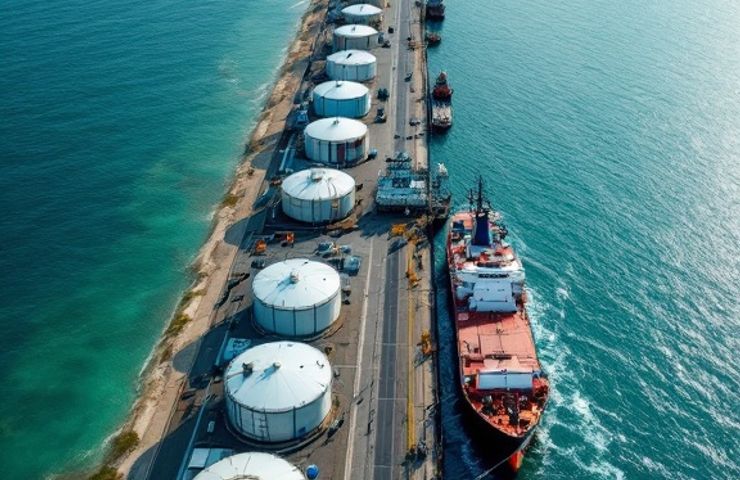
The MoU puts the port authority and H2Global in charge of a joint study that will dig into the logistics, technical details, and commercial aspects of this venture. On the port’s end, officials will take a good look at what they have—like berth capacity, storage tanks, pipelines, and bunkering systems—to see how they can process the green hydrogen produced either on-site or in the nearby area, plus ammonia and other low-carbon solutions. This kind of facility assessment will help lay the groundwork for efficient green hydrogen production, storage, and shipping. Meanwhile, H2Global and Hintco will be organizing auction rounds to secure preliminary agreements, using public funds to help balance pricing. This reduces risk for producers and guarantees some supply for European buyers keen on low-emission fuels for industrial purposes, energy generation, and maritime use.
Understanding the H2Global Mechanism
So, how does the H2Global double-auction model work? Well, it’s set up in two main stages. First, suppliers of green hydrogen submit competitive bids, saying how much they can provide at what price. The public support ensures they get a minimum price, a safety net if you will. Next, buyers—think utilities, steelmakers, and shipping companies—step in with their counter-bids for the quantities they need. This structure helps match supply with demand and uses public funds to close any pricing gaps. They’ve tried this approach in Europe to draw in initial volumes of green ammonia and hydrogen, creating reliable contracts and lessening perceived market risks.
Now, bringing a port authority into the mix adds a vital component. Logistics often trip up early hydrogen projects since transport vessels, storage methods, and safety regulations can vary widely depending on the region. By blending the auction processes with evaluations of port facilities, everyone involved hopes to smooth the transition from electrolyzers to export terminals and down the shipping channels.
Why VOC Port Matters
The VOC Port is strategically located on the Gulf of Mannar, sheltered from severe weather and right by crucial East-West shipping routes. Operating 24/7, it handles everything from container traffic to bulk cargo and liquids. Back in 2025, it hosted India’s first port-based green hydrogen pilot, successfully linking local electrolyzers with the port’s power systems to test out decarbonization strategies. This initiative, with backing from government grants, showed that renewable electricity could power electrolyzers and, in turn, deliver zero-carbon hydrogen even in a tropical setting.
With India’s National Green Hydrogen Mission in full swing, VOC Port is one of several green hydrogen hubs, joining Paradip and Deendayal ports. The mission aims for large-scale production by 2030, helping position India as a key player in the clean hydrogen export market. The MoU with H2Global adds a critical layer to these efforts, tying together physical infrastructure with organized commercial demand.
Strategic Implications for India and Europe
For India, leveraging its coastal geography and existing port networks is a no-brainer as it works to create export-focused energy centers. Ports are primed to become central spots for electrolyzer installations, storage units, and facilities for turning hydrogen into other products, all while minimizing the headaches of inland transport. Pairing these resources with a strong auction mechanism could not only boost domestic production but also attract foreign investments into hydrogen logistics.
On the flip side, Europe is keen to diversify its hydrogen supply sources as its industries push for affordable, clean energy solutions. Relying on just a few import routes puts them at risk of price fluctuations and geopolitical issues. By exploring collaborations with ports in regions like southern India, European buyers are signaling their intention to tap into emerging markets beyond the usual suspects like Australia or the Middle East.
Looking Ahead: From Intent to Impact
As it stands, this memorandum is still in the exploring phase. There are no set volumes, pricing agreements, or binding contracts on the table just yet. Participants will need to conduct feasibility studies, organize trial shipments, and navigate through regulatory requirements regarding safety and certification. On the blockchain and auditing front, solid guarantees about the hydrogen’s green credentials will be crucial for comforting buyers. Things like water sourcing, renewable energy availability, and lifecycle emissions will also heavily influence financing decisions.
If this feasibility phase comes back positive, the next steps could involve public-private funding schemes—maybe even leveraging development banks or climate funds—to support electrolyzer and storage expansions. Meanwhile, Hintco’s auction rounds will need active buy-in from European utilities, shipping companies, and industrial buyers to get those initial volumes locked down. Shipping operators might also look into retrofitting or ordering specialized carriers to safely haul hydrogen or ammonia over long distances.
Getting this initiative off the ground could set a winning example for other ports in India and possibly beyond. The concept of green shipping corridors is gaining traction globally, emphasizing reliable points of transit where zero-emission fuels can be loaded. The collaboration between VOC Port and H2Global could serve as a blueprint for developing coordinated port-based hydrogen export ventures that connect supply-rich areas with industrial demand spots around the world.
In the end, the success of this partnership won’t just be about the MoU—it’ll come down to that first cargo sailing from Thoothukudi to Europe under a certification that’s as green as it claims. That step will mark a key milestone in the global hydrogen landscape, proving that smart market strategies and strategic port investments can break down those early hurdles and kickstart a new chapter in the trade of green fuels.


 With over 15 years of reporting hydrogen news, we are your premier source for the latest updates and insights in hydrogen and renewable energy.
