
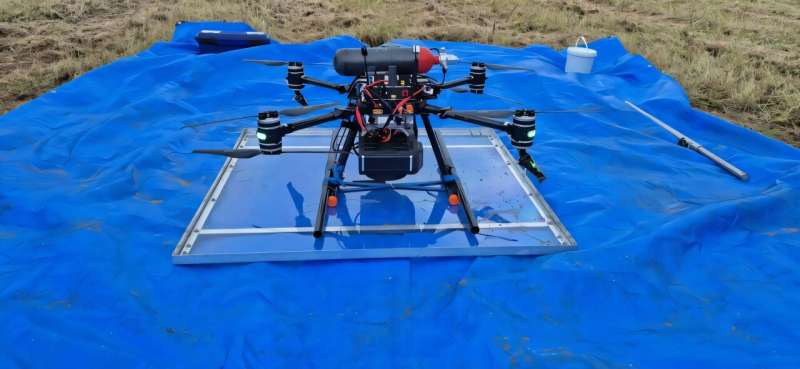
Hydrogen-Powered Drone Could Revolutionize Power Line Inspections
March 25, 2026SINTEF—Norway’s go-to independent research outfit—rolled out its first fully operational hydrogen-powered drone designed for power line inspections. It’s a big deal because we’re all chasing greener, long-range UAV solutions that can stay airborne way longer than your average battery bird. Instead of lugging around bulky lithium-ion packs that barely get you off the ground for an hour, they’ve swapped in a hydrogen fuel cell so you can circle, hover, and inspect for hours. The brains behind, the team at SINTEF’s drone lab in Trøndelag, tapping local talent to tackle real-world challenges in utilities, defense, and beyond.
How the Technology Works
At its heart, this design ditches the heavy battery pack in favor of a sleek hydrogen fuel cell. In plain English, the cell mixes hydrogen with oxygen to generate electricity, with water vapor as the only byproduct. You’ll still find a small LiPo battery onboard for startup bursts, but the bulk is gone. That switch delivers two to three times the airtime compared with typical battery-powered drones, which usually max out at 20–40 minutes. And refueling? Swapping the hydrogen tank takes seconds—no more waiting around for hours while your gear recharges.
Practical Applications and Benefits
Think power line inspections—that’s just one way this long-haul bird shines. Utilities have long relied on helicopters or battery drones to scout transformers and high-voltage cables, a process that can be slow, expensive, and risky in bad weather. Now, with this long-range UAV, you’ve got a quieter, cooler flyer that can hover for hours. Crews spot faults faster, maintenance teams respond sooner, and overall safety goes up.
Built in Norway, built for Scandinavia’s future, it also tackles other endurance-heavy tasks: defense surveillance, methane leak detection, and detailed LiDAR mapping over rugged terrain. Plus, hydrogen fuel cells usually need less upkeep than small gas engines, and with runtimes north of 1,000 operating hours, you could see your total cost of ownership drop.
Environmental and Economic Impact
This project is perfectly in tune with global decarbonization goals and the drive for sustainable aviation. Run on green hydrogen—produced from renewables—the drone’s carbon footprint is practically zero, whipping out only water as exhaust. Compare that to diesel choppers or constant battery swaps, and the upside is obvious. On top of that, leveraging SINTEF’s Trøndelag drone lab means more local R&D jobs, manufacturing roles, and field-testing positions, which strengthens Norway’s clean-tech ecosystem.
Interest is already humming. Defense programs under the NDAA are scouting it, and European utility firms are lining up for pilot trials. Faster storm recovery, safer inspections, and quieter operations all promise ripple effects that benefit communities.
Next Steps and Challenges
Of course, some hurdles remain. Winterproofing in Norway’s brutal cold is priority number one—SINTEF is raising funds to shield the drone from freezing rain and sub-zero temps. Then there’s regulation: integrating hydrogen fuel cell drones into existing aviation rules will require close work with authorities. It sounds like a tall order, but the team sees these challenges as part of the road to mainstream adoption.
Another piece of the puzzle? Rolling out hydrogen refueling points at utility depots and rural hubs. Fortunately, as more industries pivot to hydrogen, those supply networks are already taking shape. As Federico Zenith puts it, “Building infrastructure alongside the drones is what really unlocks value.”
Looking Ahead
By cracking the range and weight nut, SINTEF’s hydrogen-powered drone is carving a sweet spot between battery UAVs and helicopters. It’s clean innovation, proudly made in Norway, laying the groundwork for the next generation of aerial inspection. As testing continues and partnerships grow, expect these drones to tap into local hydrogen supply chains and usher in a new era of sustainable aerial inspection.
In today’s fast-moving UAV landscape, this project stands out because it’s all about real-world wins: faster repairs, safer flights, and a smaller environmental footprint. Sometimes the simplest ideas spark the biggest gains, and with a dash of ingenuity, we can keep our power lines humming while shrinking our carbon footprint.

 With over 15 years of reporting hydrogen news, we are your premier source for the latest updates and insights in hydrogen and renewable energy.