
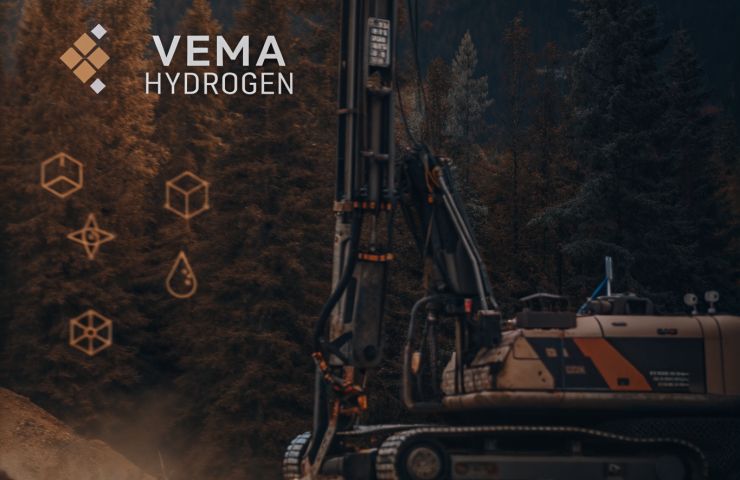
Hydrogen production advances as Vema Hydrogen begins natural hydrogen drilling in Quebec
June 29, 2026Vema Hydrogen, a fresh new Canadian startup, is diving into the exciting world of natural hydrogen exploration with its first test drilling campaign right in Quebec. They’ve secured some strategic permits on cratonic bedrock and faulted formations, and they’re all set up with regular drilling rigs modified with specialized gear for handling gas. The goal? To assess those hidden geologic hydrogen reservoirs. While we don’t have the production data just yet, this is a game-changer — one of the very first onshore attempts in North America focusing on hydrogen straight from geological sources, rather than the typical electrolytic or reformer routes. If they hit the jackpot, it could kick-start a whole new low-carbon energy supply chain that doesn’t demand the hefty investments in large-scale electrolyzer plants. The test well will go through phased flow testing to measure reservoir pressure and sustained delivery, which will help refine cost models for downstream needs like compression, storage, and transport.
Background
Interest in natural hydrogen isn’t exactly new. It actually traces back to those surprising hydrogen-rich seeps found in boreholes across places like Mali and France. Researchers have since discovered geological processes—like the serpentinization of ultramafic rocks and water radiolysis from natural radioactivity—that produce hydrogen in situ. Initially, these findings seemed like oddities, but new geochemical models suggest that significant amounts of hydrogen can build up against impermeable seals. This is where Vema Hydrogen is stepping in, going beyond theory by using desktop modeling, soil-gas sampling, and geophysical surveys to zero in on the best drilling targets.
Market Demand and Energy Security
Quebec has ambitious clean energy targets, and those stretch across Canada’s broader net-zero goals. They’ll need millions of tonnes of low-carbon hydrogen to help decarbonize industries like steel, chemicals, and heavy transport. While the existing green hydrogen production through hydropower-driven electrolysis is a solid option thanks to its low emissions, it’s kind of at the mercy of electricity market fluctuations and grid constraints. Then there’s blue hydrogen, produced from natural gas reforming with carbon capture; it has cost premiums and faces public scrutiny. But by exploring geologic hydrogen, companies can mix things up in their hydrogen supply chains, reducing the risks tied to relying too much on expanding electrolyzer capacities and bolstering energy security with domestically sourced resources.
Industry Landscape and Investment Trends
Across the globe, startups and exploration companies in places like France, Spain, Australia, and the U.S. are grabbing land and raising funds to investigate natural hydrogen prospects. Investors are steadily incorporating hydrogen exploration into their portfolios, enticed by its potential for lower operating costs compared to electrolysis and reforming methods. Meanwhile, regional governments eager to increase domestic hydrogen supply are adjusting mining and petroleum regulations to include hydrogen mineral rights and exploration leases. Thanks to Quebec’s swift permitting process and a strong policy focus on hydrogen projects, the province is emerging as a hotspot for innovative energy ventures.
Strategic Implications for Hydrogen Production
With Vema Hydrogen retrofitting conventional oil and gas drilling rigs, they’re aiming to:
- Confirm reservoir pressure and sustainable flow rates to help with project economics
- Calculate production costs for hydrogen that could compete with electrolytic and reformer methods
- Utilize existing drilling, compression, and transport infrastructure to get things rolling faster
- Establish Quebec as a leader in diversified hydrogen production and an improved infrastructure
Technical Snapshot: Natural Hydrogen Exploration
The exploration process kicks off with regional geological studies targeting iron-rich formations and potential structural traps. Following that, they conduct soil-gas sampling and employ 3D seismic or magnetic surveys to sniff out subtle hydrogen-bearing anomalies. They’re also making sure to keep wellbore stability with specialized drilling muds, while downhole sensors monitor temperature, pressure, and gas composition in real-time. Given hydrogen’s tiny molecular size, they’ve engineered well casings and seals to prevent any leaks. When they hit gas shows, flow tests will help gauge production rates and any co-produced gases, offering early signs of reservoir quality and deliverability potential.
Regulatory and Environmental Considerations
Quebec’s regulatory system for hydrogen exploration merges standard subsurface rights with specific environmental conditions. The permits that the provincial government offers require baseline studies on groundwater quality, continuous emissions monitoring, and seismic checks for any induced microseismicity. They’re also implementing strategies to keep well integrity intact and manage fluid migration pathways to protect aquifers and surface ecosystems. On top of that, officials are engaging with Indigenous communities to get their input on land use, environmental protections, and data transparency before any large-scale operations take off.
Environmental and Community Engagement
Vema Hydrogen is committed to keeping local residents and community leaders in the loop. They’re sharing early geochemical findings and monitoring data as part of their proactive stakeholder outreach. Their environmental monitoring includes keeping tabs on surface gas emissions, aquifer sampling, and real-time leak detection. These initial efforts are crucial for building trust, shaping provincial policies around best practices, and addressing public worries over safety, land disruption, and any potential subsurface impact before they scale up their exploration.
Parallel Developments
Meanwhile, over in Europe, explorers based in France have been drilling pilot wells into serpentinized ultramafic rocks, reporting promising gas shows. In Western Australia, researchers are mapping hydrogen seep networks across ancient geological formations. Although their methodologies differ—from shallow boreholes to deep seismic imaging—they all share a common goal: transforming theoretical resource estimates into tangible supply options. Quebec’s program closely mirrors these pilots, taking advantage of a complementary geological setting and a policy landscape conducive to rapid advancements and regulatory innovation.
Key Takeaways
- Vema Hydrogen has kicked off North America’s first dedicated natural hydrogen test drilling in Quebec.
- If successful, the reservoir validation could pave the way for a new low-carbon supply chain with competitive unit costs.
- Quebec’s hydropower background, existing energy infrastructure, and flexible regulations put it at a strategic advantage.
- Early-stage environmental protections and community engagement are setting high standards for future projects.
With flow-test results and cost models on the horizon, Vema Hydrogen’s venture in Quebec could really set the stage for the role of geologic hydrogen in the broader scene of global hydrogen production. We’ll all be keeping a close eye to see if these wells can deliver a steady stream of low-carbon hydrogen at scale.

 With over 15 years of reporting hydrogen news, we are your premier source for the latest updates and insights in hydrogen and renewable energy.