Hydrogen Production and Energy Security Drive South Korea–France Strategic Partnership
April 9, 2026In a game-changing diplomatic move, South Korea and France have just upgraded their ties to a global strategic partnership. They’re diving headfirst into energy security, rolling out clean energy and sustainable energy initiatives, and championing low-carbon tech.
The Heart of the Accord
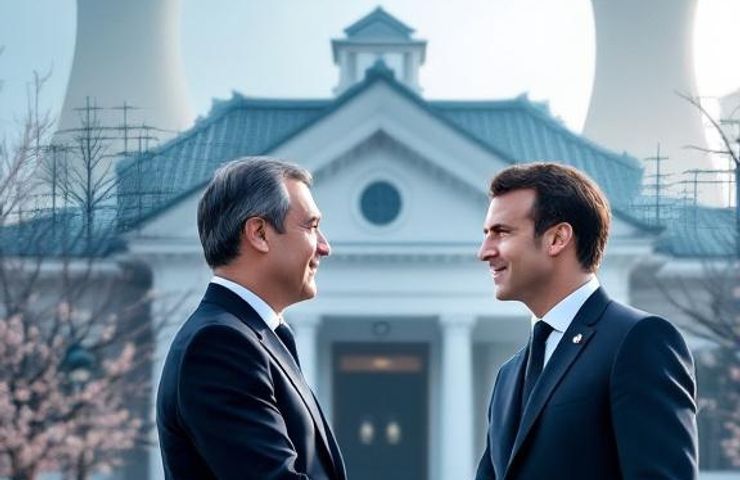
When President Emmanuel Macron landed in Seoul—the first French president to visit in over a decade—he and President Lee Jae Myung shook hands on a sweeping deal. We’re talking AI, critical minerals, nuclear energy, maritime safety in the Strait of Hormuz, and beefing up hydrogen infrastructure. With oil shipments under pressure from Middle East tensions, both sides pledged to keep sea lanes open, steady the markets, and dive deeper into emerging industries.
Inside the Nuclear and AI Alliance
At the core of their energy agenda is a joint push on nuclear energy. France’s knack for fission reactor design—using controlled chain reactions to create steam for turbines—will pair with Korea’s top-tier plant operations and safety expertise. The goal? Beef up baseload power, swing in harmony with offshore wind, and crank out reliable low-carbon electricity that fuels industrial expansion. On the tech side, a new framework will link French research hubs with Korean chipmakers around AI and semiconductors, dialing in advanced lithography, machine-learning algorithms, and rock-solid supply chains for critical hardware.
Supply Chains and Trade Ambitions
Their trade volume sits at around $15 billion today, and they’ve got their sights set on $20 billion by 2030. To hit that milestone, they ratified three updated agreements and signed 11 Memoranda of Understanding covering strategic minerals, AI components, and hydrogen production equipment. By broadening their raw material sources and teaming up on procurement plans, Seoul and Paris aim to cushion themselves against global market shocks.
Hydrogen Infrastructure Emerges
In the push for industrial decarbonization, hydrogen has become a must-have. That’s why the leaders spotlighted Air Liquide, France’s industrial gas maestro, as a key partner. The company’s been scaling up electrolysis, storage, and distribution networks across Asia. In Korea, pilot projects will blend green hydrogen—made via renewable-powered electrolysers—into existing gas grids, paving the way for cleaner feedstocks in steelmaking, refining, and mobility applications.
Historic Underpinnings and Policy Sharing
Believe it or not, diplomatic ties between Seoul and Paris date back to 1886—over 140 years of cooperation. Beyond tech pacts, this summit also set up a policy-sharing mechanism on crisis management, covering everything from offshore wind development to maritime safety protocols. This framework means the two can react swiftly if regional tensions flare or supply chains hit turbulence.
Outlook: A Blueprint for Resilience
By intertwining nuclear baseload, renewables, and hydrogen pathways with their AI and semiconductor strengths, South Korea and France have sketched out a resilient, low-carbon growth model. It’s not just about boosting trade; it’s about building stable energy routes and diversified supply chains—crucial in a world where geopolitics can shift on a dime. As both countries push toward their 2030 trade target and cut emissions, this partnership could become the go-to model for other industrialized nations hunting for secure, sustainable energy futures.
 With over 15 years of reporting hydrogen news, we are your premier source for the latest updates and insights in hydrogen and renewable energy.