Hydrogen production consortium to deploy 10MW data center power project in North America
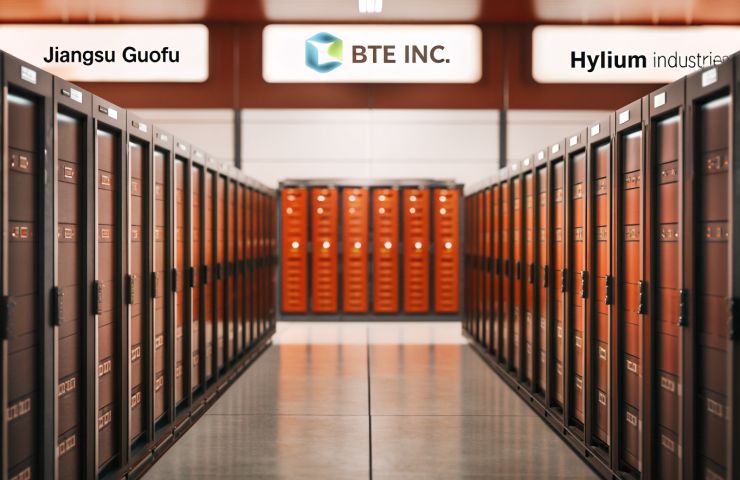
March 10, 2026Picture yourself stepping into a massive data center, where row upon row of servers stretches into what feels like infinity. Each rack hums and whirs, tirelessly crunching data for cloud apps, AI models and streaming platforms—and as demand for compute power continues to surge, that hum only gets louder. Yet the most important player isn’t a shiny server—it’s the electricity keeping everything alive. If power hiccups, services can stall in seconds and costs can skyrocket. So operators are on the hunt for cleaner, more reliable ways to fuel their tech beasts while still hitting sustainability targets.
This search has spun out an exciting collaboration. In a recent three-way supply agreement, Jiangsu Guofu Hydrogen Energy Equipment Co., Ltd., BTE Inc. and Hylium Industries, Inc. decided to team up on a 10MW-class demonstration hydrogen power system designed specifically for North American data centers. Under the deal, Guofu will engineer and build the hydrogen production unit using natural gas feedstock; BTE is contributing its proven fuel cell modules; and Hylium’s U.S. subsidiary will handle engineering delivery, installation and customer outreach. The aim is to tap North America’s robust data center market and showcase how sustainable energy from hydrogen can keep servers purring without relying on conventional fuel.
Mr. Wu Pinfang, Chairman of Jiangsu Guofu, was on hand to sign the agreement, signaling Guofu’s push into new territories. BTE has already rolled out hydrogen power pilots in the U.S., laying a solid groundwork, while Hylium’s stateside arm brings established sales channels and project execution know-how. It’s a chessboard move where each player brings a key piece, and together they cover everything from hydrogen production all the way through to powering data center loads.
A closer look at the technologies
At the core of this demo stands Guofu’s natural gas reforming hydrogen production system. Using a mix of heat and catalysts, it teases hydrogen molecules out of natural gas, then cleans and delivers them on-site. While fully electrolytic green hydrogen is the holy grail, it isn’t yet at the scale needed, so Guofu’s approach strikes a pragmatic balance between cost, reliability and carbon footprint. Plus, you can skip the headaches of massive storage tanks and tangled logistics.
Power comes from BTE’s Proton Exchange Membrane (PEM) fuel cell modules, where hydrogen meets oxygen and sparks electricity—and just a bit of heat and water vapor—minus the soot and combustion. These hydrogen fuel cells run cooler than other types, firing up and shutting down in a snap. Their modular nature means you can string together just a few kilowatts or build out multi-megawatt stacks, flexing easily to match shifting data center demands.
Wrapped together as an integrated hydrogen production and fuel cell power generation module, this setup is basically a plug-and-play, skid-mounted mini power plant. Park it next to your server hall, hook it up and watch it go. You cut out the need for frequent fuel deliveries and lessen your dependence on the grid, giving your data center the muscle to ride out outages or dodge peak-price surges with ease.
Why North America?
Data centers across North America are under real pressure. Skyrocketing AI workloads and cloud traffic have strained grids—from coastal mega-hubs down to inland edge sites—especially during blistering summer peaks. On top of that, energy costs are climbing, and utilities can’t upgrade everything overnight. Operators need stopgap solutions that won’t compromise uptime or drain their budgets.
That’s where robust hydrogen infrastructure and cutting-edge fuel cell technology come into play. Instead of defaulting to diesel generators—noisy, polluting and maintenance-heavy—data centers can flip the switch to clean, steady power from on-site hydrogen. It’s a win: lower carbon emissions, quieter operation and fewer late-night generator drills. The consortium is confident this pilot will prove hydrogen is ready for mainstream use, whether you’re running a hyperscale campus or a small edge facility.
Business angles and market stakes
On the market side, Jiangsu Guofu—listed on the Hong Kong Stock Exchange (HKEX:2582)—saw its shares jump roughly 4.85% after the news broke. That bump highlights how investors are hungry for hydrogen production opportunities. Guofu’s public goal? Lock in at least 1 GW of hydrogen power orders for data centers worldwide within three years, a move that could reshape its revenue mix and cement its spot among top clean energy equipment suppliers.
For BTE Inc., this partnership reinforces its status as a go-to provider of fuel cell technology with proven U.S. experience. They’ll lean on insights from past demos to squeeze every drop of efficiency from their modules. Meanwhile, Hylium Industries plans to sharpen its go-to-market playbook, using pilot feedback to fine-tune engineering, procurement and construction workflows. Together, they form an end-to-end powerhouse—from R&D and manufacturing to deployment and post-launch support.
Broader implications and outlook
This pilot could send ripples across the ecosystem. Grid operators might catch a break as large facilities shed peak loads. Natural gas suppliers could unlock new demand for reforming feedstock. Battery storage outfits and diesel genset makers will need to up their game—or partner on hybrid solutions—to keep pace.
Policy watchers will be on the edge of their seats, too. If this demo hits the mark, regulators could fast-track incentives for hydrogen production and hydrogen fuel cells. Environmentally, swapping diesel gensets for fuel cells slashes particulates and NOx, cleaning up air around data center campuses. And though this approach leans on natural gas reforming for now, it lays the groundwork for a full-on green hydrogen future via electrolysis.
Looking ahead
Not every detail is public yet—site location, capital costs and exact timelines are still under wraps. The partners caution that execution risks and market shifts could tweak schedules or performance targets. Once systems are live, analysts and operators alike will zero in on uptime, efficiency and total cost of ownership to see how this stacks up against other clean energy contenders.
Still, this venture marks a major step in uniting hydrogen production with fuel cell technology at a commercial scale that data centers crave. If the consortium hits its goals, we might soon see hydrogen leap from niche backup fuel to go-to power solution for data centers worldwide. In a world starving for compute and starving for carbon cuts, that could spark the next big chapter in sustainable energy.
About Jiangsu Guofu
Jiangsu Guofu Hydrogen Energy Equipment Co., Ltd. designs, manufactures and supplies natural gas reforming systems for hydrogen production and related hydrogen energy gear. Traded on the Hong Kong Stock Exchange (2582), they’re rapidly expanding overseas with multi-scenario applications in energy, transportation and various industrial uses, marrying time-tested engineering with forward-looking design.


 With over 15 years of reporting hydrogen news, we are your premier source for the latest updates and insights in hydrogen and renewable energy.