
Hydrogen Production Constrained by Local Water Availability in Europe
March 6, 2026The latest from Chalmers University of Technology is a reality check for Europe’s big bet on hydrogen production. Policymakers and industry players are scrambling to roll out green hydrogen electrolysis to drive industrial decarbonization and clean up heavy transport, but there’s a catch: water. The study warns that local supplies in some key regions might not cut it by mid-century.
Water Stress Meets Hydrogen Ambitions
Under the REPowerEU plan, Europe aims for 10 million tonnes of homegrown renewable hydrogen by 2030, then keeps climbing toward its 2050 net-zero targets. But splitting water into hydrogen and oxygen—aka electrolysis—soaks up huge amounts of freshwater right where wind farms or solar parks meet factories. Lead researcher Joel Löfving says this local water supply question could make or break where future electrolyzer parks end up.
Regional Hotspots of Concern
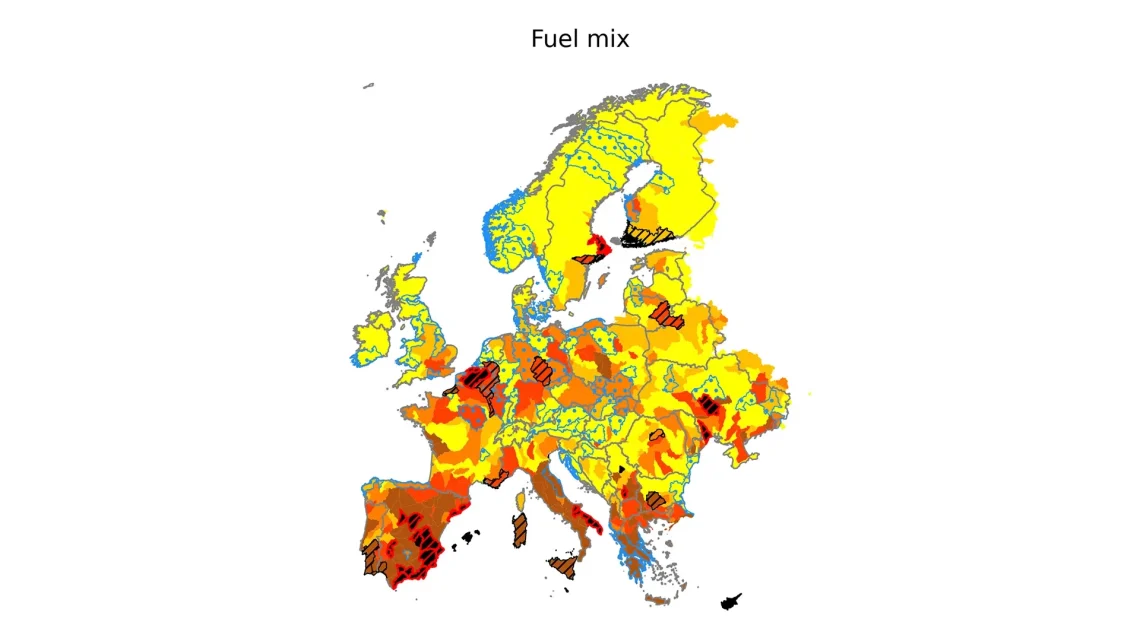
The team crunched data on over 700 European water sub-basins out to 2050. In Sweden, for example, industrial zones in Sörmland (steel mills, refineries) and coastal stretches like Bohuslän and Roslagen could see water withdrawals jump more than 50 percent over today’s levels. These areas already juggle seasonal swings, and climate change will only tighten the squeeze.
Down in Southern Europe—think sun-soaked Spanish clusters—agriculture is already tapping wells dry. And in Central Europe, hubs in Germany, France and the Netherlands face a triangle of demand from farming, existing industry and new hydrogen plants. Even the Dutch, masters of water management, could find their systems pushed to the limit under a full-scale rollout.
Study Framework and Findings
Published in Nature Sustainability, the research stitches together maps of renewable energy potential, industrial hydrogen demand and freshwater availability. It then calculates how much water local electrolyzers would need to hit Europe’s 2050 carbon-cutting paths. The top takeaways:
- Electrolysis might use only a sliver of Europe’s total freshwater, but it clusters that demand in basins already straining under other uses.
- Electricity needs for green hydrogen production skyrocket, yet consumer power prices shouldn’t spike much—provided renewables roll out fast enough.
- Areas ideal for wind, sun and industry often overlap with water-stressed zones, setting up tough trade-offs with agriculture and ecosystems.
Strategic Implications for Policy and Investment
For investors and planners, this study is a reminder to weave water-resource checks into every step of hydrogen infrastructure planning. Skip it, and you could end up with permit headaches, community backlash or surprise costs to pipe in extra supplies. And that’s on top of the usual grid-connection snarls, financing puzzles and offtake negotiations.
From a policy angle, energy, agriculture and water authorities will need to work hand in glove. The authors suggest making basin-level water screenings as routine as environmental impact assessments when picking sites for new electrolyzers.
Mitigation Pathways
Chalmers doesn’t just flag problems—it also lays out practical fixes:
- Desalination at coastal electrolysis hubs, using seawater with renewable power to ease pressure on freshwater sources.
- Wastewater reuse from nearby factories or towns, treating effluents so they’re fit for electrolysis.
- Putting the surplus oxygen by-products from electrolysis to work in industrial oxidation or advanced water treatment.
Of course, these solutions have their own energy and cost footprints, but they can be baked into project designs from day one. Getting hydrogen developers, local utilities and water agencies to talk early will be key to lining up permits and building the right infrastructure.
Looking Ahead
As Europe races toward a sustainable energy future, the intersection of water, renewables and industrial demand is front and center. The Chalmers analysis doesn’t throw cold water on green hydrogen—it just brings a dose of realism to siting and investment. By mapping water risks up front and weaving in mitigation plans, developers can keep projects on schedule, on budget and on good terms with the community.
In the end, marrying water-resource planning with the hydrogen rollout will shore up Europe’s march to net zero and cement the role of green hydrogen in industrial decarbonization. As Joel Löfving and his team put it, scaling up electrolysis without draining basins isn’t a nice-to-have—it’s absolutely essential for a credible hydrogen economy.
 With over 15 years of reporting hydrogen news, we are your premier source for the latest updates and insights in hydrogen and renewable energy.
