
Hydrogen production deal for Class 8 fuel cell trucks secured by HNO International
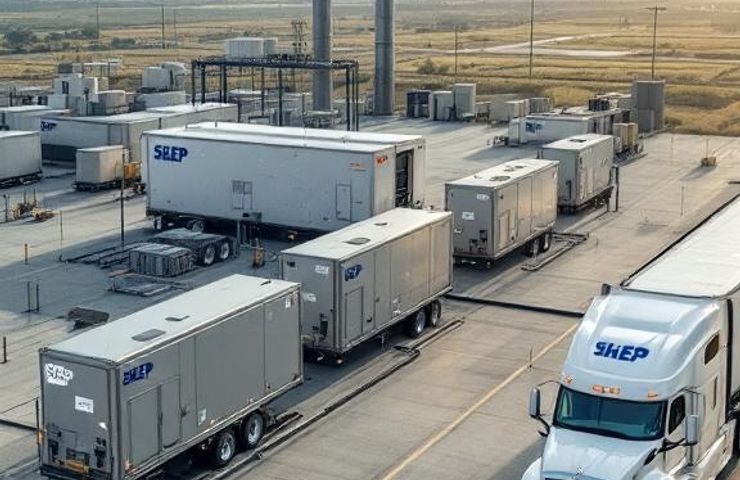
March 12, 2026Just a few weeks back, HNO International, Inc. sealed the deal on a multi-million dollar offtake for green hydrogen, set to power zero-emission Class 8 fuel cell trucks for a Texas fleet. They’ll produce the hydrogen right on-site with their Scalable Hydrogen Energy Platform (SHEP) and pump it through the Compact Hydrogen Refueling System (CHRS) at a busy logistics hub in Katy, Texas—hub of the heavy-haul corridors around Houston.
- It shows there’s a real hunger for hydrogen fuel cells in heavy-duty transport.
- SHEP is a 1.25 MW electrolyzer that can churn out up to 500 kg of hydrogen per day from renewable power.
- CHRS handles high-pressure dispensing at both 350 and 700 bar, so trucks turn around in minutes.
- Placing it all in Katy gives fleets instant access to petrochemical networks and major highways.
- Federal incentives like the Hydrogen Hubs program and IRA credits make the economics pop.
- HNO International brings over 13 years of R&D fine-tuning modular hydrogen infrastructure.
- Heavy-duty trucking is one of the toughest sectors to decarbonize, accounting for a big slice of U.S. GHG emissions.
A decade of R&D meets policy momentum
After more than 13 years of tinkering and pilot projects, HNO International has zeroed in on its modular electrolyzers and refueling stations, plugging the gaps in decentralized hydrogen production and hydrogen infrastructure. Post-2020, everything clicked—DOE’s Hydrogen Hubs push and the funding boost from the Inflation Reduction Act have sparked a wave of interest in on-site green hydrogen. With these tailwinds, SHEP units can be dropped right where fleets need them, slashing the need for huge storage tanks or long-haul transport and helping operators hit their decarbonization targets sooner.
Anchoring zero-emission trucking in Texas
Class 8 rigs demand long ranges and pit-stop-speed fueling—and that’s exactly where fuel cell technology shines compared to battery electrics, especially for fleets running back-to-back shifts. By co-locating the electrolyzer and refueling gear at the Katy terminal, operators dodge the hassle of hauling hydrogen from afar. It’s a smart play in Texas, too—once an oil-and-gas behemoth of over 30 million people, now pivoting to renewable energy hubs. This agreement proves green hydrogen can slide into existing logistics routes, cut diesel dependence, and help slash GHGs in heavy-haul transport.
Modular hydrogen production with SHEP
The heart of it all is the Scalable Hydrogen Energy Platform (SHEP). Picture a 1.25 MW alkaline electrolyzer running on surplus solar or wind power, splitting water into hydrogen and oxygen. On a good day, each SHEP module can pump out around 500 kg of hydrogen production. It’s skid-mounted, too, so you roll it in, plug it in, and fire it up without tearing up your site. Need more capacity? Just add another module—no heavy civil works or grid upgrades. That plug-and-play flexibility seriously de-risks early bets on hydrogen.
On-site refueling via CHRS
Right next door to SHEP sits the Compact Hydrogen Refueling System (CHRS). Think of it like a pit crew for trucks—compressing, chilling, and storing hydrogen at standard pressures of 350 and 700 bar so drivers can top off in minutes. Its modular design fits hand-in-glove with SHEP: you site them side by side, scale as you grow, and end up with a self-contained fueling station that rivals a diesel depot in footprint and performance.
Market and policy backdrop
Right now, federal programs are rolling out the red carpet for private investment in clean energy—especially to build regional Hydrogen Hubs that co-locate hydrogen production, storage, and end-use. Thanks to the Inflation Reduction Act, tax credits can trim the upfront costs of electrolyzers, fueling equipment, and associated renewable power. Texas’s established energy corridors and industrial muscle—experienced workforce plus grid and transport assets—make it a prime spot. Meanwhile, corporate sustainability targets and state clean-fuel rules are nudging fleet operators to pursue zero-emission options that don’t compromise on range or payload.
Strategic implications and challenges
Locking in this offtake gives HNO International a real-world showcase of its end-to-end model. For the trucking partner, it means guaranteed supply and pricing for green hydrogen—an emerging commodity expected to get cheaper as more electrolysis capacity comes online. Of course, challenges remain: driving the levelized cost of hydrogen down to compete with gray sources, syncing renewable power availability with production schedules, and smoothing out supply-chain snags for critical electrolyzer parts. Cracking these puzzles is key before this approach can scale.
Looking ahead, if the Katy rollout delivers on its promise, it could be the blueprint for other freight hubs—leveraging modular hydrogen infrastructure to fast-track decarbonization in heavy-duty land transport. As electrolysis and fuel cell technology costs continue to drop and performance ticks upward, partnerships like this should multiply, nudging diesel out of the picture. With heavy-duty trucking responsible for roughly 7 percent of U.S. greenhouse gas emissions, swapping diesel for green hydrogen at scale could drive significant CO₂ reductions and spark new jobs across the clean-energy supply chain.
About the Company
HNO International, Inc. (OTC: HNOI) is a publicly traded U.S. leader in green hydrogen production and refueling technologies. Under the guidance of CEO Paul Mueller and Chairman Donald Owens, the company delivers modular solutions—like SHEP and CHRS—that help heavy-duty transport transition to a sustainable, zero-emission future.

 With over 15 years of reporting hydrogen news, we are your premier source for the latest updates and insights in hydrogen and renewable energy.