Hydrogen Production: DHBW Mannheim Launches GreenLab H2 and PECVD_BipoCoat Research Projects
February 24, 2026It’s no secret that green hydrogen is a cornerstone of Europe’s push to decarbonize, and come 19 February 2026, DHBW Mannheim rolled out two ambitious research projects: GreenLab H2 and PECVD_BipoCoat. They build on more than a decade of hydrogen hacking at the uni, aiming to up their game in hydrogen production and fuel cell technology performance.
GreenLab H2: Smarter On-Site Hydrogen Generation
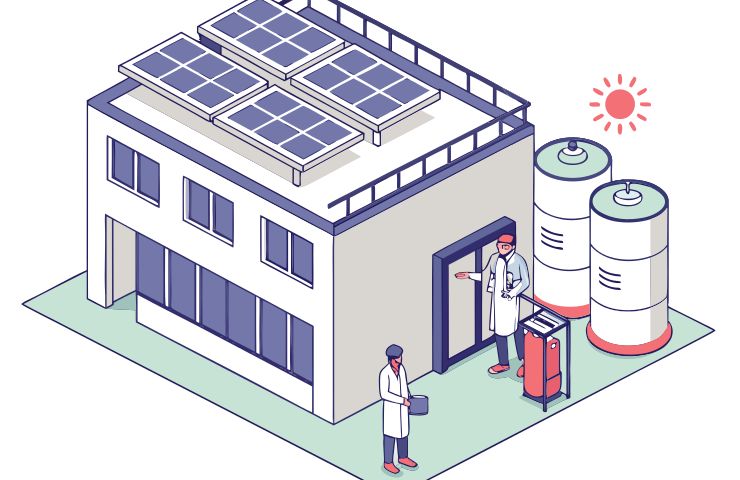
GreenLab H2 is basically an open-source control suite that orchestrates green hydrogen generation, recycling, storage and sector coupling at the Eppelheim campus. By marrying solar panels with electrolyzers and a closed-loop recycling setup, this platform wants to:
- ➤ Tune electrolyzer output on the fly based on live solar feed
- ➤ Capture extra hydrogen from lab rigs and shove it back into storage
- ➤ Automate H₂ delivery for combined electricity-and-heat gigs
Instead of treating each lab box like its own island, GreenLab H2 sees the whole facility as one big energy ecosystem. The goal? Show how distributed hydrogen production can shore up supply security and slash dependence on grid imports.
PECVD_BipoCoat: Advancing Fuel Cell Durability
Under the banner PECVD_BipoCoat, the team is fine-tuning a plasma-enhanced chemical vapor deposition trick to coat bipolar plates in proton exchange membrane fuel cells. Building on lessons from the HyPo-Coat effort, they’ve gone wet again to:
- ➤ Cut down on water condensation and flooding on the plates
- ➤ Boost electrical conductivity where the plates meet
- ➤ Stretch the cell’s life under real-world conditions
If they hit the sweet spot, we’re talking incremental bumps in cell efficiency and reliability—crucial stepping stones to scaling up fuel cell technology for transport and stationary power.
Building on a Decade of Hydrogen Research
DHBW Mannheim has been tinkering with hydrogen for over ten years, chalking up projects like:
- EH2S—an electrochemical separation process co-developed with Siqens GmbH that recovers high-purity hydrogen from semiconductor exhaust. We’re talking around 80% yield at 0.5 A/cm² and rock-solid performance over 1,000+ hours.
- DeHaWa—recycling hydrogen in wafer fabs to ditch natural gas and chop CO₂ emissions.
- H2F@Home—a pilot for decentralized fueling with rooftop solar and home-scale electrolyzers.
- “Pocket Rocket H2”—a feasibility study of a hydrogen-powered mini motorbike, proving mobility use cases between 2021 and 2023.
Steered by Prof. Dr. Volker Schulz, these ventures blend bench-scale breakthroughs with techno-economic analysis, so we know they’re not just pipe dreams.
Strategic Context and Implications
Germany’s National Hydrogen Strategy (2020) and the EU’s broader net-zero push set the backdrop for GreenLab H2 and PECVD_BipoCoat. Thanks to DHBW’s dual model—where students split their time between classroom and industry placements—innovation gets fast-tracked into real-world action.
Here’s what they’re eyeing in the short term:
- Industrial decarbonization—cutting CO₂ in semiconductor fabs and other manufacturing
- Cost savings—seizing stray hydrogen that’d otherwise go up in smoke
- Energy security—using on-site storage to buffer the ups-and-downs of renewables
- Job creation—helping to build up local hydrogen supply chains
That said, they’ve still got hurdles to clear. Scaling electrochemical separation under unpredictable waste-gas conditions or proving the long-haul durability of those PECVD coatings in real exhaust streams is no small feat. The teams are running life-cycle and cost-benefit studies to make sure everything stacks up under a €83/t CO₂ carbon price.
Looking Ahead
Both projects are bankrolled by the Baden-Württemberg Ministry, via programs like Invest BW and the Innovation Challenge. True to form, DHBW Mannheim is keeping GreenLab H2 open-source, so anyone can pick it up and riff on it.
Over the next 12–18 months, here’s the game plan:
- Fire up pilot setups at Eppelheim for nonstop operation tests
- Dump preliminary data on efficiency and system resilience into the wild
- Lock in partnerships with industry players itching to host demo plants
As Europe races toward its zero-emission targets, DHBW Mannheim’s latest moves show how academia can turbocharge tech readiness in green hydrogen and fuel cell technology. Keep your eyes peeled—the upcoming test results will give us a sneak peek at tomorrow’s hydrogen labs and power systems.

 With over 15 years of reporting hydrogen news, we are your premier source for the latest updates and insights in hydrogen and renewable energy.