Hydrogen Production: Hynamics to Supply Green Hydrogen to Ottmarsheim Fertilizer Plant
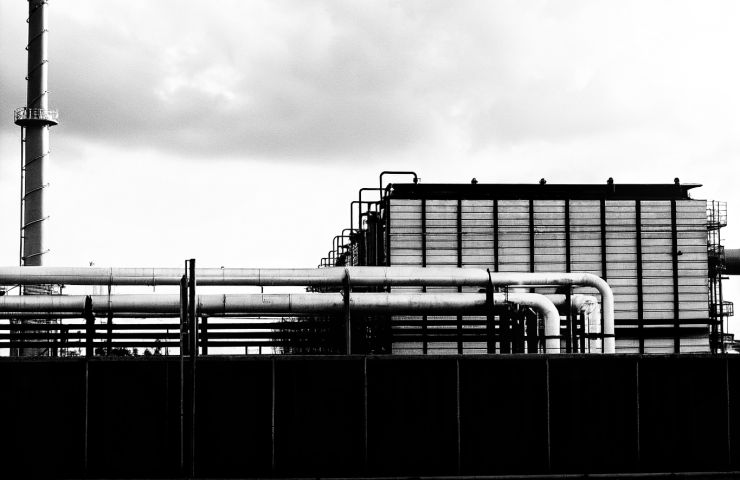
April 3, 2026If you take a drive along the Rhine through France’s Grand Est region, you’ll see sprawling chemical hubs and fertilizer plants that have been churning out ammonia for decades. Right in the mix is Ottmarsheim, where LAT Nitrogen runs a major facility fed by natural gas pipelines. Now, that gray hydrogen setup — which relied on steam methane reforming — is getting a green makeover. By tapping into electrolysis, the site plans to swap out fossil-based feedstock for renewable hydrogen, showing how old industrial zones can leverage hydrogen infrastructure for a smoother path to industrial decarbonization. With about six million people in Grand Est, cutting the carbon out of ammonia production here could move the needle on a European scale.
Just this month, EDF’s hydrogen arm, Hynamics, announced it’ll start supplying low-carbon hydrogen to Ottmarsheim, replacing the conventional natural gas it uses now. Both sides say the hydrogen will come with quality certifications under European standards, so you know exactly how low the carbon footprint is. The project, greenlit under the EU’s Important Projects of Common European Interest (IPCEI) framework, aims to slash CO₂ emissions from ammonia synthesis in a big way. The nitty-gritty on volumes and delivery dates is still under wraps, but it’s clear this deal is a big step in scaling up green hydrogen and hydrogen production in heavy industry. It also ties into EDF Group’s larger decarbonization push, which Hynamics kicked off in 2019 and now includes about 3 MW of electrolyser capacity in France.
The Electrolysis Advantage
At the heart of Ottmarsheim’s transformation is water-splitting electrolysis. Whether it’s alkaline electrolysers using a potassium hydroxide solution or PEM systems with a polymer membrane, the idea’s the same: feed in low-carbon power — think wind or solar — and you get hydrogen (H₂) and oxygen (O₂) without belching out CO₂ like steam methane reforming does. Alkaline units are known for their proven durability, while PEM setups can ramp up or down quickly and deliver super-clean hydrogen. Better yet, electrolysers can soak up excess renewable juice and help balance the grid, turning a renewables headache into an opportunity. Modern plants are decked out with digital controls and real-time monitoring, often boasting over 95% uptime under service contracts. Hynamics locks in its electricity via power purchase agreements, powering its 3 MW site today with plans to scale up to 60 GW across Europe. It’s a solid example of how hydrogen infrastructure can create more flexible, resilient energy systems.
Decarbonizing Ammonia and Fertilizer
Most fertilizers start with ammonia made through the Haber-Bosch process, which marries hydrogen with nitrogen under intense heat and pressure. Globally, this sector slurps up around 2% of the world’s energy and is a major CO₂ emitter — roughly one tonne of CO₂ for every tonne of H₂ produced by steam methane reforming. By swapping in green hydrogen, LAT Nitrogen expects to shave off a hefty chunk of its carbon footprint, though they haven’t spilled the exact reductions yet. That cleaner ammonia feeds into farms all over Europe, tying energy costs to food prices and climate goals. Plus, using low-carbon feedstock could unlock new sustainability-linked financing, lining up perfectly with the EU’s Fit for 55 package and the European Green Deal’s push for a climate-neutral economy.
Hynamics: Delivering on EDF’s Hydrogen Plan
Born in 2019 out of the EDF Pulse Incubation program, Hynamics is the execution arm of EDF Group’s Hydrogen Plan. The mission? Fast-track industrial decarbonization and heavy mobility by blending power generation with hydrogen supply. As a wholly owned arm of a utility giant steeped in nuclear and renewables, Hynamics brings hydrogen infrastructure to the table — from small electrolyser units to large-scale projects. By linking hydrogen output to EDF’s existing plants, they can smooth out peaks in electricity demand and offer bundled power-plus-hydrogen deals to industrial customers. Right now, they’re running a 3 MW electrolyser in France and nurturing a pipeline totaling some 60 GW. Refining and steel are already in their crosshairs, and now they’ve set their sights on fertilizer, really playing a starring role in Europe’s energy transition.
Strategic and Market Implications
The Ottmarsheim pact is where public policy meets corporate strategy. The EU Hydrogen Strategy aims for 10 million tonnes of domestic low-carbon hydrogen by 2030, plus another 10 million tonnes imported to meet demand. Getting the green light under IPCEI brings state aid and faster permits, turbocharging projects that underpin Europe’s sustainable energy agenda. For EDF, expanding Hynamics’ footprint dovetails with its push into hydrogen fuel cells and long-term industrial offtakes, diversifying revenue beyond kilowatt-hours. We’re also seeing hydrogen purchase agreements (HPAs) pop up alongside familiar PPAs, helping financiers de-risk these capital-heavy ventures. Developers are eyeing emerging hydrogen trading hubs and guarantee-of-origin schemes, aiming to build liquid markets for low-carbon hydrogen. And for LAT Nitrogen, early adoption of green hydrogen is like buying insurance against steeper carbon prices and tighter regs down the line.
Benefits, Challenges and Future Outlook
Besides slashing emissions, Ottmarsheim’s green hydrogen could spark a flurry of local spending — think repurposed pipelines and new hydrogen storage facilities. Electrolysers double as virtual batteries, soaking up surplus renewable power, which is crucial for grids packed with wind and solar. Storage options, whether high-pressure tanks or cavern systems, will help match when hydrogen’s made to when it’s needed. Reusing existing pipelines cuts capex, but we’ll need updated technical standards and safety protocols for hydrogen’s quirks. The project could create jobs across construction, maintenance and logistics, and open doors to zero-emission technology like fuel cell trucks. On cost, experts forecast electrolyser prices could drop by up to 40% by 2030, even though initial capex is still two to three times higher than gray setups. Policymakers will have to keep the pedal to the metal with carbon pricing, investment incentives and certification standards to keep momentum going. Down the road, blending electrolysis with long-term hydrogen storage offers a way to smooth out seasonal swings in electricity demand.
As Europe races toward its net-zero goals, the Ottmarsheim deal shows how you can retrofit legacy facilities with modern clean ammonia methods. If Hynamics and LAT Nitrogen deliver on their promises, this project could be the blueprint for decarbonizing some of the toughest industries. And while they’re at it, Hynamics is scouting similar offtake agreements in steel and refining, clear signs that the market appetite for hydrogen production is growing fast.
Sources:
FuelCellsWorks
EDF Pulse Ventures
 With over 15 years of reporting hydrogen news, we are your premier source for the latest updates and insights in hydrogen and renewable energy.