Hydrogen Production: India’s Reported Nuclear-Heat Plant at Kalpakkam
June 29, 2026In what’s being hailed as a significant milestone in clean hydrogen news, India has kicked off a pilot-scale hydrogen production facility at the Kalpakkam nuclear complex in Tamil Nadu. Instead of sticking to traditional electricity-driven electrolysis, this site is utilizing steam generated from nuclear reactors to split water, bringing a fresh approach to hydrogen production methods. With the global demand for hydrogen expected to skyrocket—potentially more than tripling by 2050 for uses in shipping, chemicals, and heavy industry—any innovative methods for green hydrogen production and hydrogen infrastructure are bound to grab some serious attention.
Nuclear-Heat Hydrogen Plant Unveiled
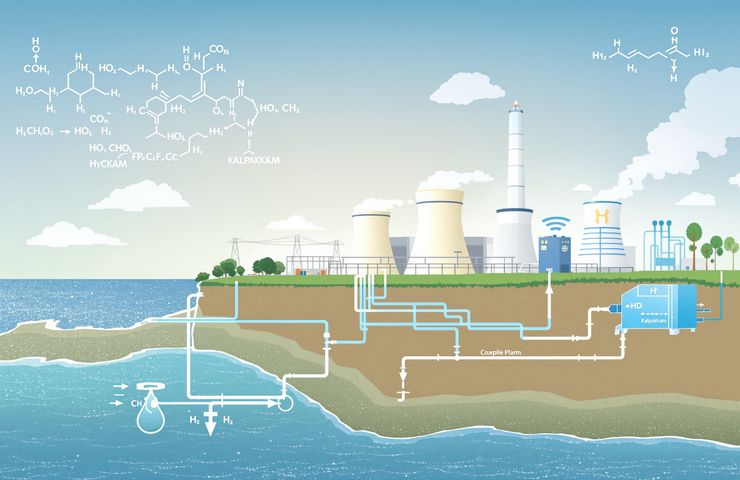
According to various industry reports and media snippets, a preliminary unit got up and running earlier this year at Kalpakkam, which serves as a key hub for India’s nuclear reactors and research activities. This pilot project is said to channel high-temperature steam from an operational reactor into a water-splitting process, which could be a thermochemical cycle or a heat-assisted electrolyzer. Advocates are excited about the idea that using nuclear heat might cut down electricity needs by as much as 30% compared to conventional electrolyzers, although the exact efficiency gains at this facility are still under wraps.
Insiders think the initial output could be a few tonnes per day, but there haven’t been any official figures released yet. The reported setup also includes some nifty systems for managing steam, keeping pressure in check, and purifying hydrogen, though technical specifics on these systems haven’t been made public.
A Technical Deep Dive: What We Don’t Know
The idea of nuclear-heat hydrogen production offers a bunch of different pathways, each tapping into the steady, high-temperature energy output of a reactor:
- Thermochemical cycles like the sulfur-iodine process, which use heat to spark chemical reactions that split water without relying directly on electricity.
- High-temperature electrolysis, which operates at over 500°C to enhance conversion efficiency by using heat to ease some of the electrical load.
- Heat-assisted catalytic methods, where catalysts speed up reactions at elevated temperatures.
Research suggests that running electrolyzers at temperatures between 600°C to 800°C can boost efficiency by 20–40%. However, the biggest challenge lies in maintaining the integrity of materials under such intense conditions. Issues like corrosion, thermal cycling, and working with existing reactor systems all call for special alloys and stringent safety protocols. The Bhabha Atomic Research Centre has experience in these areas, particularly in high-temperature materials for fast breeder and heavy water reactors.
Unfortunately, we’re still in the dark about specifics like the thermodynamic cycle being employed, the architecture of the cell, or the composition of the catalysts at Kalpakkam. Without solid details on operating pressure, temperature range, and cell stacks, it’s tough to compare performance with other international projects. Factors like heat integration efficiency, reactor coupling, and the design of control systems will really determine how commercially viable this venture is.
Institutional Backdrop of the Initiative
The Department of Atomic Energy (DAE) has been at the helm of India’s nuclear program since the 1950s, operating under the office of the prime minister. They have a wide array of responsibilities, from power reactors to fuel cycle labs and applied research. Their research arm, BARC, based in Mumbai, has been instrumental in developing indigenous reactor technology and materials science. The Kalpakkam site also hosts the Madras Atomic Power Station and the Fast Breeder Test Reactor, creating a solid foundation for pilot projects.
In the past, DAE and BARC have looked into nuclear applications beyond just electricity production, including desalination and high-heat applications for chemical manufacturing. Branching out into hydrogen production makes sense when you consider the global push for decarbonization in industries and securing energy supplies, allowing India to lean on its nuclear expertise to cut down on imports of fossil fuels.
Potential Strategic Gains
If the pilot proves successful, several strategic advantages could arise:
- Economic diversification: By integrating hydrogen plants with nuclear facilities, new revenue streams could be created.
- Industrial decarbonization: Using process heat can help replace natural gas or coal in industries like fertilizers, refining, and steel manufacturing.
- Energy security: Producing hydrogen domestically could lessen dependency on imported gray hydrogen or methane.
- Policy support: This initiative aligns perfectly with national clean energy goals and the push for hydrogen targets.
- Safety measures: Establishing coordination across nuclear and hydrogen sectors is essential, covering everything from reactor licensing to hydrogen safety standards.
However, there are some logistical hurdles to tackle. Existing pipelines and storage setups are made for natural gas and might need modifications to manage hydrogen, particularly due to its tendency to cause embrittlement. Being near the coast, Kalpakkam could potentially facilitate exports if necessary changes are made to terminals for liquid hydrogen or ammonia carriers, opening up new markets in Southeast Asia and the Middle East.
That said, the initial investment for high-temperature electrolyzers, heat exchangers, or thermochemical plants could be hefty. Ongoing operational costs will depend on how often the reactor runs, the purity of the water used (which might require desalination), and maintenance of specialized materials that face steam and radiation.
Worldwide and Market Dynamics
The global interest in nuclear-assisted hydrogen goes back over twenty years. The U.S. Department of Energy has financed studies around integrating next-gen reactors with hydrogen systems, while Japan and Europe have conducted laboratory tests on thermochemical cycles. Recently, various small modular reactor developers have proposed designs focused on generating process heat and on-site hydrogen production.
Despite these initiatives, no project has yet made it to a commercial scale. The costs of standard green hydrogen—thanks to falling prices for renewable electricity and cheaper electrolyzers—set a competitive benchmark. For nuclear-centric methods to keep pace, the levelized cost of hydrogen would need to be equal to or cheaper than renewable approaches. Energy companies and startups are showing interest, having penned memorandums to invest in nuclear-hydrogen research, eager to explore the potential despite inherent risks.
If the Kalpakkam pilot hits its goals, we might see scaling plans announced in the next 12 to 18 months, aligning with a wider wave of funding and partnerships in the hydrogen sector. It will be crucial to watch how it stacks up against blue hydrogen, which is made from natural gas with carbon capture technology.
Policy and Regulatory Landscape
India is pushing hard towards low-carbon hydrogen as part of its broader energy strategy. Multiple government entities are drawing up frameworks to back demonstration projects, offer subsidies, and ensure long-term offtake agreements. Although a formal National Hydrogen Mission hasn’t yet been fully confirmed into regulations, there are initial guidelines supporting renewable and low-carbon hydrogen avenues. For nuclear-based hydrogen production to thrive, cooperation between the nuclear regulator, overseeing reactor safety, and the energy ministry, which typically steers hydrogen policy, will be necessary. Clear regulations covering licensing, environmental standards, and partnerships will be key to jump from pilot to actual production.
Verification and Data Gaps
Details on the Kalpakkam pilot remain sparse, primarily relying on secondary reports. Here’s what we’re missing:
- Official production capacity per day or year, which is vital for calculating costs.
- Information about the thermochemical cycle or electrolyzer design, essential for evaluating efficiency and scalability.
- Specifics on steam parameters—temperature, pressure, and purity—which affect material choice and safety measures.
- Details on reactor availability and maintenance schedules, impacting continuous operation capabilities.
- Water sourcing and treatment strategies, particularly if seawater desalination is needed.
- Regulatory approvals and safety reviews for combined nuclear and chemical operations.
Until we see a formal announcement or a technical paper from DAE or BARC, we should treat this initiative as a reported pilot rather than a confirmed commercial endeavor. The claim of being the “world’s first nuclear-heat hydrogen plant” hasn’t yet been verified against other international projects.
What to Keep an Eye On
For those tuned into hydrogen energy news, it’ll be important to watch for:
- Official press statements detailing project specs, performance metrics, and operational data.
- Technical papers or presentations at conferences shedding light on the thermochemical or electrolytic processes.
- Partnerships with industrial players, such as those in the fertilizer, chemical, or refining industries.
- Regulatory submissions, environmental impact assessments, and safety evaluations that outline how everything will work together.
- Plans for scaling up operations at Kalpakkam or replicating this model at other reactor sites managed by DAE.
- Cost comparisons with existing solar or wind-powered electrolysis models.
While India’s nuclear program has a solid reputation for meticulous development, how impactful this pilot is will hinge on clear data, strong economics, and safe operations. If everything checks out, the Kalpakkam demonstration might just be a stepping stone towards creating multi-product nuclear plants, broadening the options for tackling industrial decarbonization.

 With over 15 years of reporting hydrogen news, we are your premier source for the latest updates and insights in hydrogen and renewable energy.