Hydrogen Production Meets Solar at Meridian’s Ruakākā Energy Park
February 4, 2026Ever wondered what it takes to mesh solar energy, long-duration battery storage, and hydrogen production into one seamless hub? Down south of Whangārei in Northland, Meridian Energy and its mates are rolling up their sleeves at the Ruakākā Energy Park. They’ve got a $227 million, 130 MW Ruakākā Solar Farm under construction, a 100 MW battery system already humming, and a side-by-side solar-to-hydrogen setup. Buckle up—it’s a lot to unpack.
Solar Generation and Storage
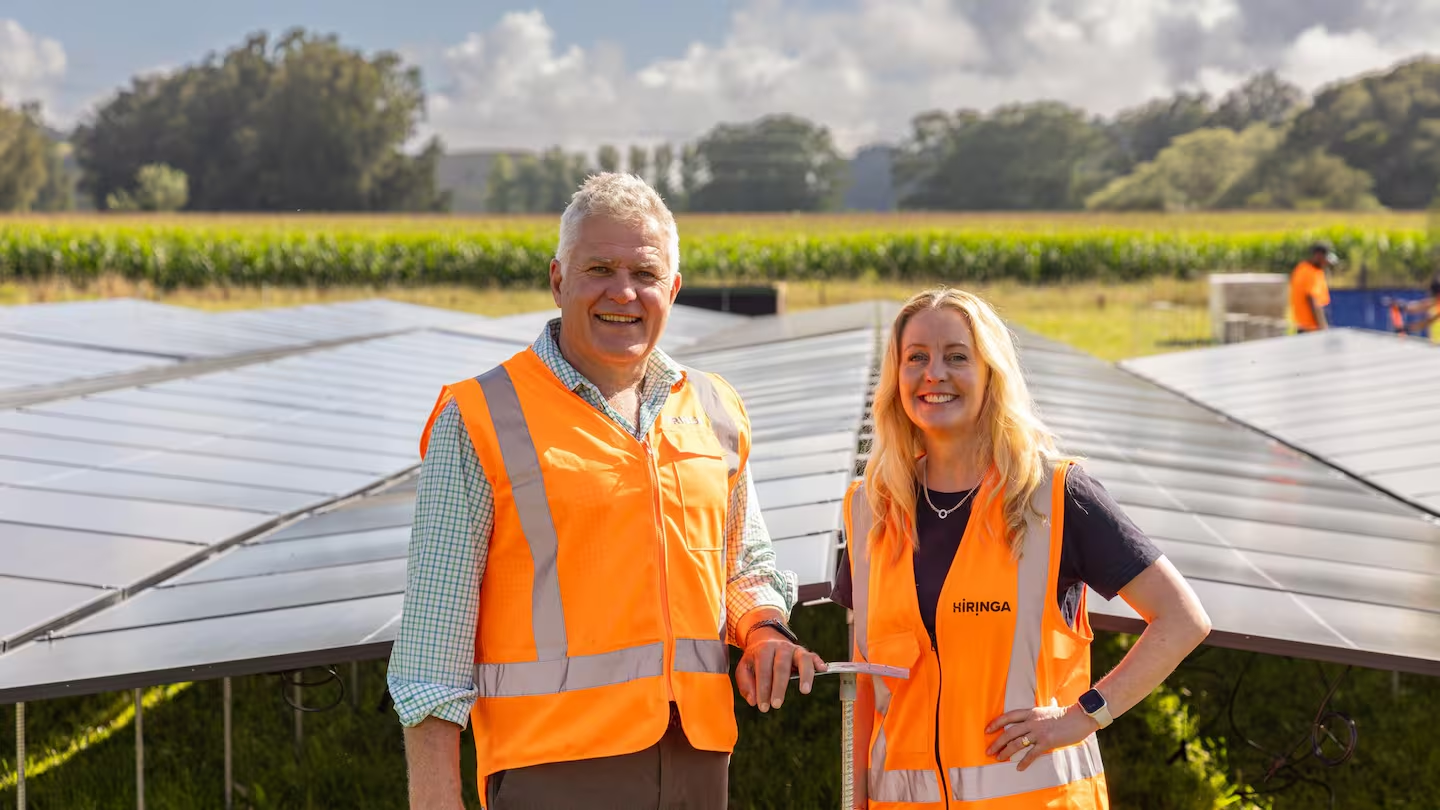
At the center of this gig is the new Ruakākā Solar Farm, which will stretch some 250,000 PV panels across land roughly the size of 170 rugby fields. Meridian reckons it’ll crank out around 230 GWh of juice every year—enough to light up about half of Northland’s homes, though that magic number dances depending on local usage. Solar energy fans will appreciate that construction kicked off last August, and if all goes to plan, the first electrons should hit the grid by late 2026.
Right next door, the 100 MW Ruakākā Battery Energy Storage System (BESS) with its 200 MWh capacity has been smoothing out those peaks and troughs since it went live in April. In plain English: when the sun’s shining, any extra power gets tucked away, then fed back into the network when clouds roll in or demand spikes. It’s a neat trick to shore up renewable energy supply in a region that’s known for its power hiccups.
Hydrogen on the Horizon
Just a stone’s throw from the solar arrays, Hiringa Energy is setting up a 5-hectare plant to turn surplus solar juice into green hydrogen via electrolysis. That clean hydrogen will be capped, stored, and eventually fuel heavy-duty trucks, buses, maybe even boats. It’s a concrete way to show how hydrogen production and solar can team up to decarbonize parts of the transport sector where batteries might fall short.
Partnerships Driving Progress
Ethical Power, a Kiwi EPC outfit with 15 years under its belt, grabbed the construction contract back in March. They’ll also mind the site once those panels start slinging electrons. For Ethical Power, this is its biggest gig yet in New Zealand, and it cements their cred in the renewable energy world.
Historic Shift in New Zealand’s Energy Mix
New Zealand has long leaned on hydro dams for its green creds. Yet fickle rainfall and drought spells have left places like Northland feeling the pinch. Wind farms chipped in next, then small-scale solar—still, nobody had stitched them together with battery storage and hydrogen until Ruakākā. This hub is literally writing the next chapter, adding layers to the grid and smoothing out seasonal swings in hydro output.
Meridian’s Growing Pipeline
This solar farm isn’t a one-off fling. It slots into Meridian’s wider $3 billion playbook through 2030, which includes a 90 MW Mt Munro Wind Farm in Eketāhuna, a 400 MW Te Rahui Solar Farm near Taupō, plus more battery projects across Manawatū. Each site is experimenting with different combos of wind, solar energy, and storage. But Ruakākā is the trendsetter—it’s the first to marry green hydrogen creation with clean power generation.
Policy and Market Signals
It’s no coincidence this energy mashup is rising right now. New Zealand’s pledge to hit net-zero by 2050, paired with fresh policy perks for clean power, has cleared the runway for mega-projects like this. On the market side, dropping polysilicon prices and more mature electrolyzer tech are nudging both solar farms and hydrogen outfits out of the test lab and into full-throttle commercial mode.
Challenges and Considerations
Of course, no mega-project comes without its headaches. Land use tops the list: turning over 170 rugby fields to panels takes some agricultural real estate off the table—though the leases are time-limited, and the land should bounce back after 35 years. Then there’s the supply chain dance for panels and battery cells, still vulnerable to global hiccups and political flare-ups. And let’s not even get started on the end-of-life puzzle—recycling a quarter of a million panels and tons of battery modules will need a rock-solid circular economy plan.
A Glimpse Beyond Hydrogen
Fuel cells get most of the press for heavy transport, but here’s a thought: what if Ruakākā’s green hydrogen feeds an ammonia plant next door? With Port Marsden Highway and export docks in arm’s reach, turning hydrogen into green ammonia for fertilizer or shipping fuel isn’t just pie-in-the-sky. It’s the kind of synergy this place seems built to explore.
Why It Matters
You might ask: why pin hopes on Northland? Adding solar farms, battery storage, and hydrogen sidesteps the risk of leaning too hard on hydro. It also lays out a blueprint for future renewable clusters that could power local economies as much as they power homes. For a corner of the country that’s long been defined by farms and fishing boats, Ruakākā could turn into a real power player—literally and figuratively.
Looking Ahead
The plan is for full solar output by early 2027, while the BESS is already earning its keep. Once the hydrogen plant fires up, the real test will be juggling flows of electrons and molecules. Will midday spills keep the electrolyzers humming? Can grid operators sync everything smoothly? One thing’s for sure: at Ruakākā, we’re not just watching panels and wires. We’re witnessing the playbook for tomorrow’s integrated energy hubs in action.
 With over 15 years of reporting hydrogen news, we are your premier source for the latest updates and insights in hydrogen and renewable energy.