
Hydrogen Production Pilot at Ireland Bellanaboy Bridge Gas Terminal in County Mayo
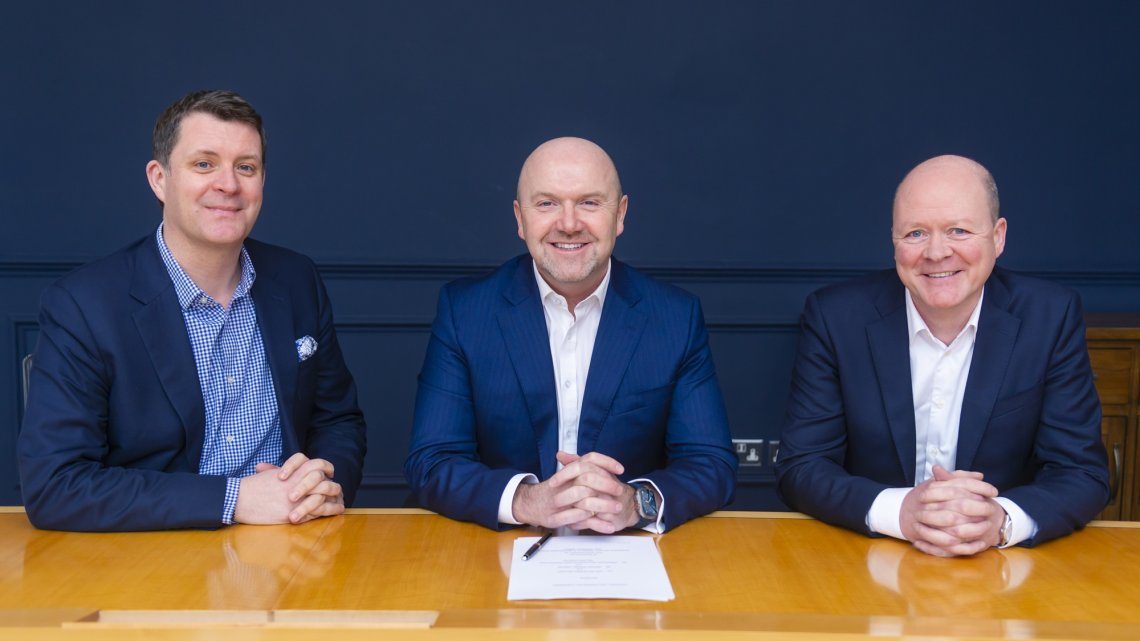
February 27, 2026Ireland’s energy scene might be on the cusp of something big: on February 2026, Gas Networks Ireland and Corrib JV inked a Strategic Collaboration Agreement to size up hydrogen production at the Bellanaboy Bridge Gas Terminal in County Mayo. The idea is to tap into Mayo’s top-notch wind power, make use of the existing gas terminal’s link to the national grid, and repurpose the ageing Corrib offshore gas infrastructure for large-scale green hydrogen via electrolysis. It’s all about hitting Ireland’s and the EU’s net-zero targets, driving industrial decarbonization, and beefing up energy security.
Green hydrogen pilot in Mayo
Under this new pact, Gas Networks Ireland will join forces with the Corrib JV consortium—backed by Nephin Energy and Vermilion Energy—to run a feasibility study on green hydrogen production at Bellanaboy Bridge. The plan? Use wind-powered electrolysers to split water molecules into hydrogen and oxygen, blend the resulting hydrogen into Ireland’s gas network, and see how smoothly it all gels. It’s an early look at how renewable gas can plug into the system at scale.
First things first: engineers will dive into detailed designs, safety checks, and materials testing, all while ticking the regulatory boxes with the Commission for Regulation of Utilities. Once that groundwork is done, they’ll install pilot-scale electrolysers on-site, track performance, and gather data on efficiency, hydrogen purity, and pipeline compatibility.
We don’t have final production numbers yet—that’ll come after the design phase—but bear in mind this is set up as an industrial-scale demo, not a modest lab experiment. It’s the second project in lockstep with the EU’s Net-Zero Industry Act for these partners, coming on the heels of their earlier biomethane collaboration. And throughout, local folks—from community groups to regulators—will stay in the loop to keep environmental and safety standards front and centre.
Strategic collaboration and technical setup
This partnership didn’t just spring up overnight; it builds on years of shared research and infrastructure. Gas Networks Ireland—the state-owned outfit running nearly 15,000 km of pipelines—recently put €2.6 million on the table with Research Ireland to explore biomethane, biohydrogen, and smart networks. They’ve been crystal clear that they want a net-zero carbon network by 2045, and green hydrogen is a big piece of that puzzle.
On the flip side, the Corrib JV team oversees both the Corrib offshore gas field and the Bellanaboy terminal. With Corrib’s gas output winding down, Nephin Energy and Canada’s Vermilion Energy are steering the Atlantic Energy @ Corrib initiative to give those assets a second life. Nephin Renewable Gas is all about biomethane, while Vermilion brings decades of oil and gas know-how to the table.
So, who brings what? Gas Networks Ireland handles grid integration expertise and pipeline access, and Corrib JV supplies the site infrastructure and operational muscle at Bellanaboy. Together, they’ll nail down the technical design, safety reviews, and stakeholder engagement. They haven’t spilled the beans on the budget yet, but word is they’ll split the costs for the feasibility stage and are eyeing EU clean energy grants to help foot the bill.
Historical and policy context
To get why this matters, rewind to 2015 when Gas Networks Ireland spun off from Bord Gáis and took over the nation’s gas transmission network. That system was built for natural gas, but as the Corrib field’s output shrank, the operator started eyeing renewable gases to keep the pipelines humming.
County Mayo—with roughly 130,000 souls and some of Ireland’s best onshore and offshore wind sites—has been at the heart of energy debates (remember the Corrib pipeline protests?). The Bellanaboy Bridge Gas Terminal sits right on the main grid, making it the perfect launchpad for fresh gas solutions.
Meanwhile, Ireland’s National Hydrogen Strategy lays out a game plan to produce, import, and store hydrogen by 2050, aiming to decarbonize transport, industry, and heating. The recent €2.6 million research challenge on biomethane and biohydrogen shows the government isn’t messing around, and the Atlantic Energy @ Corrib initiative is a prime example of repurposing existing offshore and onshore assets for a green energy hub in Mayo.
Economic and regional impacts
- Positive outcomes:
- Keeping and retraining high-value jobs in Mayo’s energy sector alive.
- Drawing in clean energy investment and making the most of local skills.
- Boosting energy security with homegrown hydrogen production and storage.
- Aligning with the EU Net-Zero Industry Act to set Ireland up as a clean energy exporter.
- Potential challenges:
- Scaling hydrogen blending without compromising pipeline integrity.
- Managing environmental risks when converting infrastructure built for natural gas.
- Adapting regulations for hydrogen injection and getting everyone on board.
- Broader relevance:
- Offering a blueprint for hard-to-abate sectors—like heavy industry and transport—to switch to zero-emission fuels.
- Complementing existing biomethane efforts, creating a mixed renewable gas portfolio.
- Providing a model for regions with wind resources and established gas networks.
Plus, by tapping into existing pipelines and grid links, this pilot could sidestep a big chunk of upfront infrastructure costs compared to starting from scratch, potentially driving down the price of hydrogen delivered to customers.
Technical dive: electrolysis and network integration
At its heart, this pilot runs on electrolysis, using wind-powered electrons to split water into hydrogen and oxygen. Here’s what the tech deep-dive looks like:
- Electrolyser choice: They’ll size up proton exchange membrane (PEM) versus alkaline options, weighing efficiency, modularity, and how flexibly they can ramp up and down.
- Power sourcing: Hooking up to local wind farms and the national grid, with buffer storage to smooth out any dips in renewables.
- Pipeline compatibility: Hydrogen’s lower density and higher diffusivity mean they’ll need to recheck materials, upgrade leak detection, and finesse pressure controls.
- Safety systems: Expect to see specialised sensors and extra ventilation at Bellanaboy to sniff out any hydrogen leaks and keep everyone safe.
- Blending strategies: They’ll start with a capped percentage of hydrogen in the mix, then gradually dial it up as they get the green light from the data.
All these tests will feed into best-practice guidelines for future hydrogen injection and help shape the rules for hydrogen infrastructure in Ireland.
Next steps and outlook
Now that the feasibility phase is rolling, the teams will wrap up engineering designs, safety checks, and regulatory talks before swapping in those pilot electrolysers. They’re looking at a 12 to 18-month window to finish this stage.
If it all pans out, we could see a wave of green hydrogen flowing through Ireland’s gas network, giving a serious boost to industrial decarbonization and even opening doors for energy exports. Everyone’s also watching how the regulatory landscape shifts and which EU clean energy funding streams become available.
In the end, the Bellanaboy pilot could be the poster child for repurposing aging gas infrastructure around the world—a bridge from fossil gas to a truly renewable energy future.

 With over 15 years of reporting hydrogen news, we are your premier source for the latest updates and insights in hydrogen and renewable energy.