
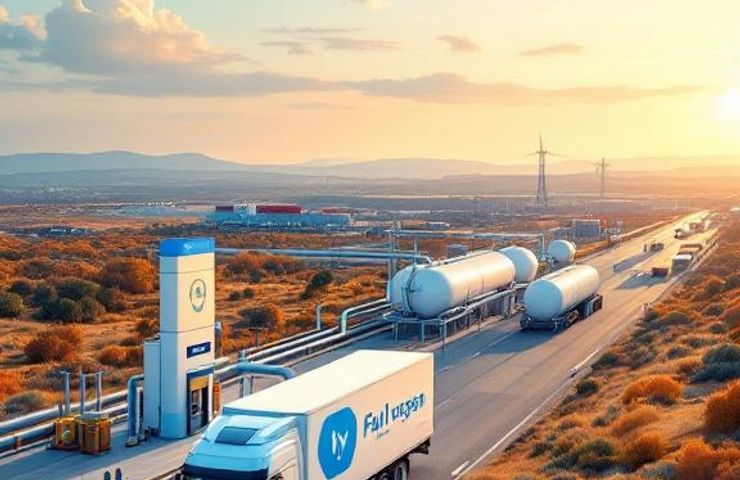
Hydrogen production set to bolster Australia’s fuel security strategy
April 3, 2026Recently, the Australia’s Hydrogen Transport Forum (HTF) was pretty quick off the mark to applaud the National Cabinet’s fresh push on boosting fuel security and supply chain resilience via a hydrogen angle. It’s a clear sign that the feds are leaning into hydrogen production and transport as key players in the race for sustainable energy and zero-emission heavy vehicles.
Why Australia is betting on hydrogen
With a landmass drenched in sunshine and a coastline buffeted by steady winds, Australia’s sitting on a renewable-rich jackpot. Solar, wind—you name it—alongside an already solid natural gas network gives the country a head start in cranking up green hydrogen production. Back in 2019, the National Hydrogen Strategy got the ball rolling, eyeing up export lanes and local uses. Now, as global supply chains are still catching their breath, policymakers reckon hydrogen’s just the lever to shake up the energy mix, cut fuel imports and shield us from wild oil-price swings.
HTF’s perspective on policy and industry goals
The HTF may not plaster its membership list on every billboard, but it’s a coalition that spans the entire hydrogen value chain—from electrolyser builders and transporters to fleet operators. With demand for low-carbon fuels surging in hard-to-abate sectors like mining, freight and public transport, HTF sees government backing as the green light for rolling out hydrogen infrastructure at scale and unlocking investment confidence.
Technical deep dive: hydrogen transport methods
Getting hydrogen from the plant to the pump isn’t one-size-fits-all. Here’s the lowdown:
- Pipelines: the trusty workhorses for sending gas over medium stretches. If you’ve got a cluster of refueling stations or factories, these underground arteries link it all up.
- Gaseous tube trailers: think giant high-pressure bottles hitched to a truck. Perfect for shorter hops where pipelines haven’t reached yet.
- Liquid hydrogen tankers: super-cool rides that chill hydrogen to –253°C so you can squeeze more volume into each trip. They’re great for long hauls, but watch out for the energy needed to liquefy and the pesky boil-off losses.
Across the board, keeping things airtight and pure is a real puzzle. That’s why investing in new materials, top-notch safety systems and wider hydrogen infrastructure is a must if we want to crank up the volume.
Historical context and policy evolution
Way back in the mid-’90s, Chicago rolled out its first fuel cell buses—practically announcing the future of clean transport. Since then, Australia’s National Hydrogen Strategy has been fine-tuning the script for both exports and homegrown uses. The latest policy tweaks just double down on that playbook, lining up with global net-zero targets and recognizing that heavy-duty rigs—responsible for over a third of road CO₂—need more punch than batteries alone can offer.
Business and strategic implications
When the government waves the green flag, investors sit up and take notice. Suddenly, expanding refueling station networks, boosting electrolyser manufacturing and setting up logistics hubs feels a lot less risky. These ventures promise hefty GHG cuts and a slew of local jobs—from construction crews to maintenance techs—but the sticker shock of compression, liquefaction and custom infrastructure is real. Smart funding schemes and clear regulations will be key to bridging that gap.
Collateral impacts and broader benefits
It’s more than just slashing transport emissions. Pumping up hydrogen infrastructure also bolsters energy resilience—mixing up our power sources so we don’t get blindsided by oil-price rollercoasters. Cleaner transport corridors mean fresher air in our cities, too. And if we end up overshooting local demand, why not export surplus green hydrogen or even clean ammonia to our energy-hungry neighbours in Asia?
Looking ahead
All this policy momentum is exciting, but the nitty-gritty will make or break the game: clear roadmaps for permitting, rock-solid safety standards, seamless grid integration and getting hydrogen fuel cells and electrolysers down to wallet-friendly prices. It takes teamwork across government, industry and research institutions—everyone pulling in the same direction. If they can iron out the kinks, hydrogen production and transport could be the secret sauce in Australia’s recipe for fuel security and hitting big decarbonisation goals.
With the Hydrogen Transport Forum cheering from the sidelines, all eyes are on the next moves—funding allocations, infrastructure blueprints and potential incentives. Nail this, and Australia could really stick the landing as a world leader, using its natural advantages to bolster domestic resilience and open up exciting export opportunities.


 With over 15 years of reporting hydrogen news, we are your premier source for the latest updates and insights in hydrogen and renewable energy.