
Hydrogen Production Steps Up with Spain’s Largest 25 MW Green Hydrogen Plant Nearing Completion
March 6, 2026Driving Industrial Decarbonization in Castellón
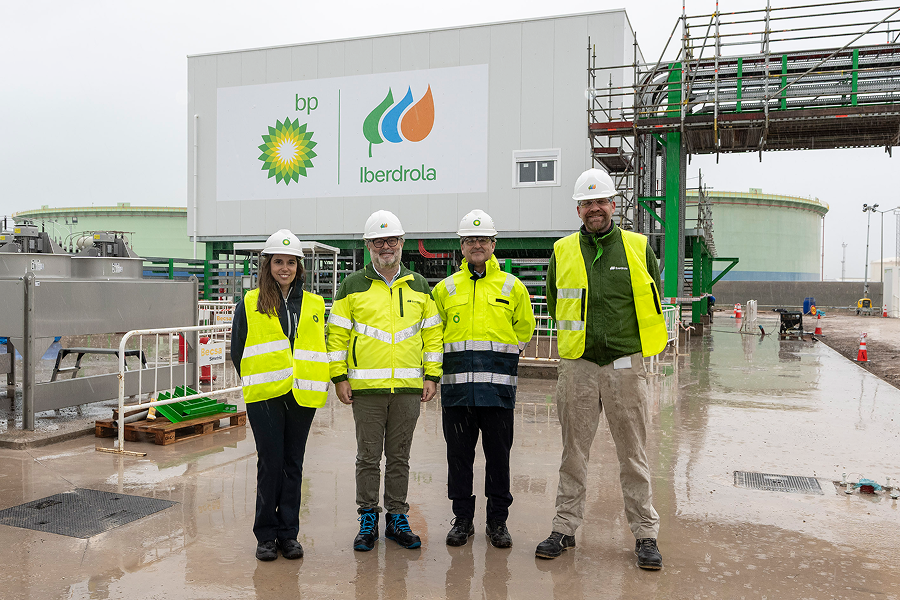
It’s hard to miss how Spain’s pushing for industrial decarbonization, and right at the center is the Castellón Green Hydrogen project. This 50/50 joint venture between BP and Iberdrola is almost ready—about 90% assembled—and on track to become Spain’s largest green hydrogen plant. Tucked inside BP’s refinery in Valencia, its 25 MW electrolyzer should go live this spring, ramping up to produce roughly 2,800 tonnes of renewable hydrogen each year, a huge leap for hydrogen production at scale.
Core Facts and Strategic Backing
Here’s the rundown: the plant hooks into about 200 GWh of clean power a year under a PPA with Iberdrola’s wind and solar farms. Swapping out the old grey hydrogen slashes around 23,000 tonnes of CO2 annually—that’s like yanking 5,000 cars off the road. The project also leans on €15 million from the EU’s NextGenerationEU recovery fund and Spain’s national H2 strategy, and with roughly €70 million on the table, it marks BP’s first industrial-scale nod to green hydrogen. It’s a big shot in the arm for local hydrogen infrastructure.
How PEM Electrolysis Powers Green Hydrogen
Under the hood, it’s all about proton exchange membrane (PEM) electrolysis—the nifty process that splits water into hydrogen and oxygen using clean electricity. Five 5 MW PEM stacks from Plug Power run the show, working their electrochemical magic in an acidic setting. Thanks to this modular design, the facility can ramp production up or down in step with the grid, and it’s already shaping up as a template for future green hydrogen hubs across Europe.
Financial and Market Implications
By nailing down that final investment okay in late 2024 and kicking off construction early last year, BP and Iberdrola have firmly planted their flag in Spain’s blossoming green hydrogen market. This refinery integration isn’t just a headline—it’s a real-world step toward the EU’s Renewable Energy Directive III goals, pushing renewable fuels deeper into heavy industry. And for Iberdrola, it underlines its leadership in industrial decarbonization through large-scale H2 projects.
Supply Chain and Local Impact
On the ground, roughly 25 Spanish companies are chipping in—whether it’s piecing together electrolysis skids, fine-tuning balance-of-plant systems, or handling hydrogen compression. The Instituto Tecnológico de la Energía has been right there too, co-developing performance tests to make sure everything runs smoothly under industrial conditions. The payoff? A big refinery takes a major step in industrial decarbonization, and Spain’s domestic hydrogen infrastructure chops have leveled up.
Context in Europe’s Hydrogen Landscape
From Paris to Prague, governments and businesses are racing to weave green hydrogen into their net-zero plans. Costs can still give you sticker shock—around €7.5 per kilo for green H2, according to industry whispers—but Castellón proves how policy muscle, plenty of renewables, and firm offtake deals can make large-scale hydrogen production not just feasible, but happening right now.
Looking Ahead: Scale and Replication
So where do we go from here? For BP, Castellón is just plant number one on a roadmap to five to ten green hydrogen hubs by 2030. With every rollout, they’ll squeeze costs down—think cheaper electrolyzers—and pull in fresh EU funding. And Iberdrola has its sights set on similar collabs across Europe and the Americas, leaning on nearly two centuries of utility experience and a 200 GWh/year green H2 lineup.
Long-Term Implications
When those electrolyzers fire up this spring, Castellón will be more than just a cool engineering trick—it’ll be proof of how you can smash industrial decarbonization targets in real time. It shows an industry long stuck on fossil fuels can pivot to clean energy. And as electrolyzer capacity booms globally, this model could jump-start a full-blown hydrogen infrastructure—powering petrochemicals, steelmaking, heavy transport, and big battery backups.
About the Companies
Iberdrola is a Spanish powerhouse in electricity, born in 1840 and based in Bilbao. They’re big on wind, solar, and green hydrogen, tapping roughly 200 GWh of renewables each year. BP is a British oil and energy titan, founded in 1909, operating the Castellón refinery and now charting a path into low-carbon hydrogen.
 With over 15 years of reporting hydrogen news, we are your premier source for the latest updates and insights in hydrogen and renewable energy.
