Hydrogen Production Steps Up with U Power’s Thailand Data Centre JV
U Power partners with Guofu Hydrogen and Cloud Digital Chain to deploy AI-driven hydrogen fuel cell systems for Thailand data centres, expanding its clean energy portfolio.
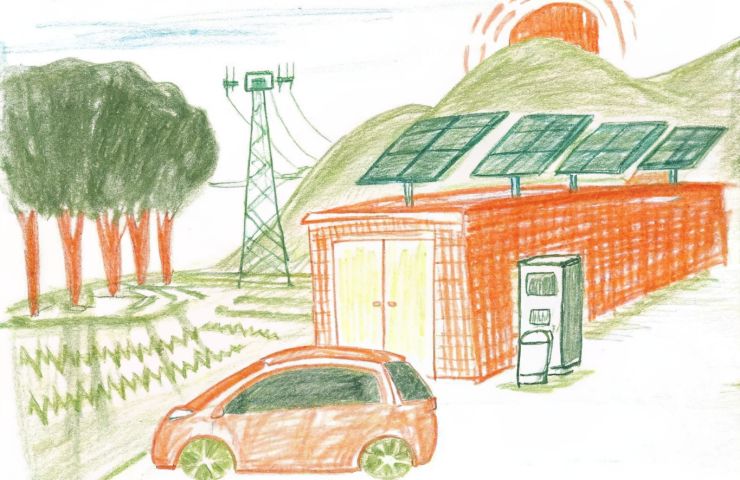
You might know U Power Limited as the Chinese outfit behind slick EV battery swapping stations. Well, they’re not stopping there. The company just launched an AI-driven hydrogen power venture to keep data centres in Thailand humming. By teaming up in a majority-owned joint venture with Guofu Hydrogen Energy (Hong Kong) Co., Limited and Cloud Digital Chain Limited, U Power plans to weave fuel cell technology into its existing energy management platform. It’s a savvy move that dovetails with Southeast Asia’s big push on hydrogen production and broader sustainable energy goals.
Key Highlights
- Majority-owned JV between U Power, Guofu Hydrogen Energy, and Cloud Digital Chain to roll out AI-enabled hydrogen power for Thai data centres.
- Leverages U Power’s proven battery swapping network and Guofu’s end-to-end hydrogen expertise.
- Backed by a fresh $25.7 million capital raise aimed at scaling hydrogen and EV infrastructure.
- Supports Thailand’s EV infrastructure targets and data centre resilience in a market projected to reach $6.3 billion by 2031.
UOTTA Battery Swapping Technology
If you haven’t heard of it, U Power’s proprietary UOTTA system gives commercial EVs—think trucks, vans, taxis—the power to switch out depleted battery packs in minutes. Each vehicle carries a supervisory unit and a control module that chatter with a central data hub over Bluetooth and Wi-Fi. Drivers pull into a station, automated equipment swaps in fresh packs, and off they go—no plug-in wait time. Since launching pilot sites in 2021, U Power has opened over 50 UOTTA stations across several Chinese provinces. In Phuket, for instance, taxi drivers can swap a battery in under five minutes and shave up to 20 percent off their operating costs.
Hydrogen Power Systems for Data Centres
On the hydrogen front, the JV will deploy containerized, fuel cell–based power units that deliver uninterrupted electricity to data centres. Green hydrogen is generated on-site via electrolysis using renewables, then compressed and stored in high-pressure tanks. When power’s needed, the hydrogen flows into proton exchange membrane fuel cells, emitting only water vapor. These electrolyser modules can scale from compact 200 kW setups all the way to multi-megawatt installations, making it easy to pair with solar farms or other renewables. And because the fuel cell units are skid-mounted, they’re practically plug-and-play for rapid deployment.
Thailand’s Market Context
Thailand has its sights set on 30 percent EV sales by 2030, ramping up both charging points and battery swapping stations to hit the mark. The country’s data centre market—already valued at about $1.45 billion and growing at nearly 28 percent annually—is grappling with rising electricity costs and spotty grid reliability. With most hydrogen imports arriving as grey hydrogen, Bangkok is keen to build up domestic green hydrogen capacity. They’re using existing natural gas pipelines as a stepping stone, offering subsidies for electrolyser installations, and charting a course for regional hydrogen exports by 2035—key pieces of a robust hydrogen infrastructure strategy.
Strategic Partnerships and Funding
In the JV, U Power sits in the driver’s seat, leveraging its AI analytics and swapping station footprint. Guofu Hydrogen Energy (Hong Kong), a subsidiary of HKEX-listed Jiangsu Guofu Hydrogen Energy Equipment Co., chips in its full hydrogen supply chain expertise—from electrolysers to high-pressure storage. Cloud Digital Chain Limited adds an AI-driven energy management layer that promises to fine-tune operations, though details remain under wraps. The fresh $25.7 million private placement is earmarked to accelerate both hydrogen and EV rollouts across Southeast Asia. On top of equity stakes, the partners are hashing out a multi-year offtake deal with major Thai telecom operators to secure steady revenue. U Power’s AI platform will keep real-time tabs on hydrogen production and fuel cell performance, optimizing dispatch and maintenance schedules.
From Early Swaps to Hybrid Energy
Battery swapping isn’t a flashy new idea—it dates back to late 19th-century EV trials and enjoyed a modern makeover during the 2008 Beijing Olympics and efforts by startups like Better Place. Today, Chinese subsidies and fleet electrification mandates have buoyed commercial pilots—NIO alone operates hundreds of swap stations. Spotting the trend, U Power pivoted in 2020, filing 14 patents and building factories in Zibo and Wuhu. Meanwhile, Southeast Asia’s hydrogen scene is still largely grey, but ambitions run high: plans to ship green hydrogen to Japan and South Korea are bubbling up as demand for low-carbon feedstocks surges. ASEAN’s hydrogen appetite could hit 3.2 million tonnes a year by mid-decade, opening export doors for integrated supply chains. The Thailand JV is a clear signal that hybrid energy models—combining fast battery swapping with scalable fuel cell technology backups—are moving from concept to reality.
Industry and Environmental Implications
This joint venture showcases how you can marry quick-swap convenience with hydrogen’s high energy density to push industrial decarbonization forward. Financially, it tackles total cost of ownership challenges for heavy-duty fleets and power-hungry facilities, while dramatically cutting greenhouse gas emissions and local pollutants. It also eases the pinch on lithium and cobalt supply chains. For data centre operators, on-site hydrogen means less reliance on an unstable grid, reliable uptime through outages, and a direct path to hitting sustainability targets. By smoothing out the intermittency of renewables, stored hydrogen becomes a dispatchable buffer during peak loads or blackouts—making the entire renewable ecosystem more resilient.
Policy Alignment and Next Steps
Thailand’s policy landscape is already chock-full of incentives—think subsidies for EV infrastructure and plans for regional hydrogen hubs. By 2030, the plan calls for 12,000 EV chargers and swap stations, which could seamlessly link up with future hydrogen refuelling hubs. The JV partners aim to wrap up incorporation by mid-year, then roll out demo units to select data centres in Bangkok and Phuket. Nail those pilots, and they’ve got a ready-made blueprint for markets like Malaysia and Vietnam, where renewable potential and data demand are also soaring. Low-interest financing from regional clean energy funds could sweeten the deal even more.
As industry debates batteries versus hydrogen, U Power’s hybrid approach makes a compelling case for both. By weaving battery swapping and fuel cell technology into a unified, AI-driven platform, they’re betting on resilient, zero-emission solutions tailored to Southeast Asia’s evolving grid and transport landscape. For advocates of green hydrogen, this venture offers an early, real-world test of regional demand and paves the way for broader hydrogen infrastructure rollouts.