Hydrogen Production: Sunfire’s 50 MW Electrolyzer to Halve Costs
Sunfire SE has announced a 50 MW solid oxide electrolyzer in Dresden aimed at halving green hydrogen production costs. Backed by federal funding and industry partners, this move builds on the company’s SOEC expertise and advances Germany’s hydrogen strategy.
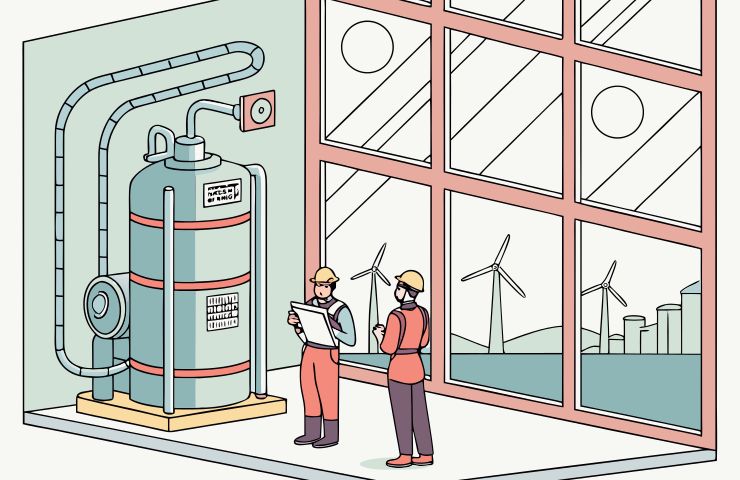
Sunfire SE just rolled out a game-changing 50 MW high-temperature electrolyzer in Dresden, aiming to flip the economics of hydrogen production on its head. They’re betting that by cranking up their proven SOEC technology, they can cut the cost of green hydrogen in half. Backed by €162 million in German federal funding and a boost from Amazon’s climate fund, this move lines up neatly with Germany’s National Hydrogen Strategy. Independent figures haven’t confirmed the cost drop yet, but Sunfire says this could be the tipping point for making hydrogen an everyday, wallet-friendly energy carrier.
Scaling Up Electrolysis for Cost Reduction
At the heart of this project are solid oxide electrolysis cells that run between 700 °C and 900 °C, splitting steam into hydrogen and oxygen while recycling waste heat. Thanks to these higher temps, SOEC technology can achieve efficiency rates north of 80–90%, versus the 60–70% you get from low-temperature alternatives. Moving from lab-scale pilots to a full-blown 50 MW setup is no small feat—think thermal management headaches and materials that must stand up to serious heat. But that’s exactly how Sunfire plans to drive down the levelized cost of hydrogen production.
Financing, Partnerships and Policy Support
Sunfire’s announcement isn’t happening in a vacuum. They’ve teamed up with big names like RWE, Salzgitter AG and Neste to lock in hydrogen offtake and integration deals. On top of that, the €162 million from the government’s climate-friendly hydrogen program in 2022 and Amazon’s R&D injection have helped grease the wheels. While Sunfire hasn’t spilled the beans on specific EU grants—like those under IPCEI—their strategy is clear: blend public funding with real-world pilots so engineering breakthroughs hit industrial floors fast.
Roots and Growth in Saxony’s Hydrogen Cluster
Since kicking off in 2010 and planting roots in Dresden by 2011, Sunfire SE has been all about high-temp electrolysis and fuel cell innovation. Today, roughly 400 folks split their time between R&D labs in Dresden and production lines in Solingen and Limbach-Oberfrohna. Last year they broke ground on a €30 million research center right in Dresden to prototype the next-gen electrolyzers. It’s proof that Saxony’s hydrogen cluster—universities, startups and industry giants alike—is firing on all cylinders.
Dresden’s Strategic Edge
Dresden isn’t just a pretty city; it’s an engineering powerhouse. With top-notch research institutions and a thriving microelectronics scene, it offers a steady stream of talent for energy tech. Technical universities nearby mean fast feedback loops on cell materials and system controls. Add Saxony’s regional government and Saxony Trade & Invest pushing the region as a hub for “energetic environmental experts,” and you get an ecosystem that shaves months off the lab-to-pilot timeline.
Driving Industrial Decarbonization
If you’re eyeing hard-to-abate sectors—steel, chemicals, refining—lower electrolyzer costs are a must. A knockdown levelized cost of hydrogen (LCOH) helps green hydrogen stand toe-to-toe with grey hydrogen made from natural gas. Germany’s National Hydrogen Strategy, backed by EU climate targets, predicts a tidal wave of demand. Utilities like RWE are already tossing in preliminary orders. Nail this prototype, and Sunfire could crack open new industrial decarbonization pathways, speeding Europe’s shift to cleaner energy.
Local and Regional Benefits
Scaling up to a 50 MW electrolyzer could set off a domino effect in Saxony’s economy. Sunfire might double its headcount—right now about 400—handling everything from assembly to system integration and service. A beefed-up hydrogen cluster attracts suppliers, sparks spin-off startups and boosts exports of German clean-tech gear. Plus, it dovetails perfectly with state and EU plans for pipelines, storage and refueling stations.
Challenges on the Horizon
Promises aside, there are hurdles to clear. Big electrolyzers come with big price tags, which can make financing a headache. Low-cost competition—especially from Chinese players—puts pressure on European suppliers. Then there’s grid capacity and ensuring enough renewable power to keep multi-megawatt units humming without tripping local networks. And let’s not forget: we’re still waiting on independent data to confirm Sunfire’s cost-halving claim. Pilot results and full lifecycle studies will be the real proof in the pudding.
The Road Ahead
In the short term, Sunfire’s plan is to validate these 50 MW modules at their Dresden R&D center and out in the field with industrial partners before the year’s out. If that goes well, they’ll have set a new bar for electrolyzer size and cost—forcing rivals to play catch-up. Over the next decade, big SOEC deployments could become the backbone of Europe’s hydrogen network, feeding refineries, steel mills and synthetic fuel plants. The ultimate test? Turning a promising prototype into a price-competitive reality that convinces energy buyers to pull the trigger.
Final Thoughts
Sunfire’s bold bet on scaling electrolyzer technology shines a bright light on the push to drive down green hydrogen costs. It’s an experiment in marrying advanced materials, industry partnerships and public-private funding. Will the 50 MW unit really halve costs? Time—and hard data—will tell. But with global clean-tech investors watching closely, every step toward more affordable, efficient hydrogen production counts. And Saxony’s hydrogen cluster is all in on making it happen.