Hydrogen Production Takes a Leap with 25MW Electrolyser Installation at Zeebrugge
John Cockerill installs four 25 MW alkaline electrolysers at Virya Energy’s Hyoffwind project in Zeebrugge, set to produce 3,700 t H₂/year from offshore wind.
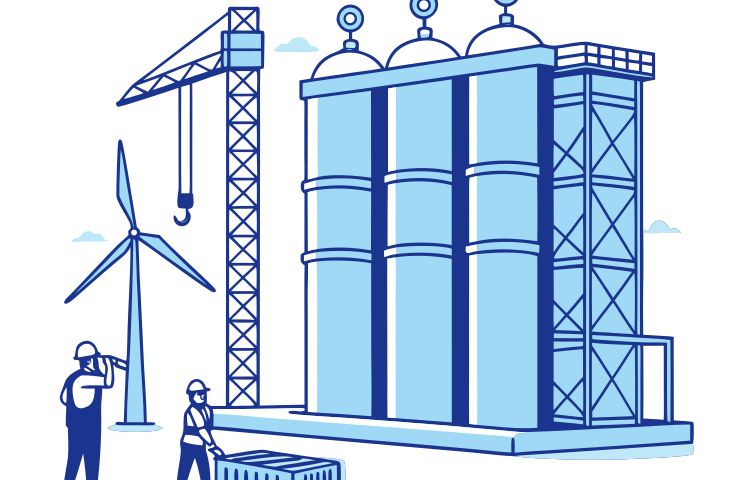
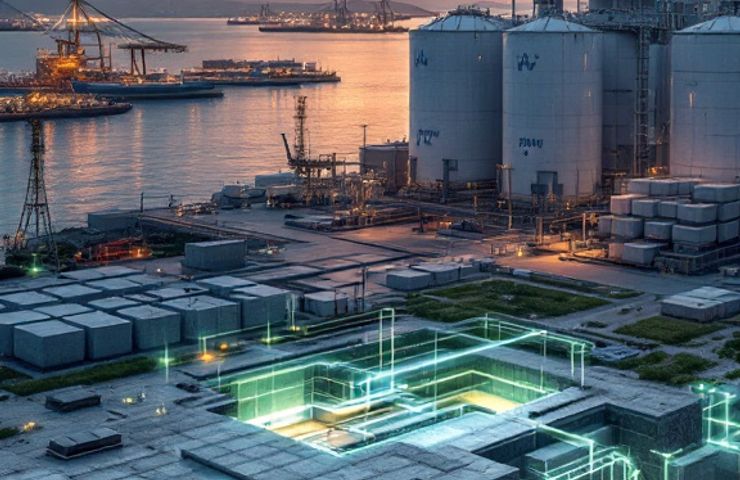
You know when two things just click? That’s exactly what's happening with offshore wind and green hydrogen at the Port of Zeebrugge. This month, four massive alkaline electrolysers from John Cockerill quietly popped up on-site. Each 25 MW unit will soak up excess wind power and churn out roughly 3,700 tonnes of clean H₂ a year, boosting local hydrogen production and chopping about 25,000 tonnes of CO₂ from industry and transport.
From Idea to Reality
Believe it or not, the Hyoffwind story kicked off back in mid-2024, when Virya Energy green-lit the project with a €30 million boost from NextGenerationEU and Flemish recovery funds. Virya Energy’s squad—alongside Messer, Hyoffgreen and EPC whizzes BESIX—started digging last year. By February, the foundations were set, heavy lifts were rolling in, and now John Cockerill has installed the electrolysis stacks, launching Belgium’s first large-scale green hydrogen plant powered by offshore wind.
Scaling Up Green Hydrogen
This isn’t a lab experiment. Each module handles up to 5 MW, for a total of 25 MW. Once it’s humming later this year, the plant will funnel about 3,700 tonnes of H₂ to refueling stations and factories, helping balance the grid when the wind really kicks in. And here’s the kicker: the setup is primed to quadruple capacity to 100 MW, pushing Europe’s broader hydrogen infrastructure goals forward.
Tech Deep Dive: Alkaline Electrolysis
Under the hood, it’s good old-fashioned alkaline electrolysis. A potassium-hydroxide solution and a steady current split water into hydrogen at the cathode and oxygen at the anode. John Cockerill has tweaked this process for decades—these stacks run at 60–80 °C and up to 30 bar, making them a solid pick for industrial decarbonization. They’re cost-competitive, scalable, and can handle those on-off swings in renewable power.
Local Impact & EU Strategy
Zeebrugge’s been a hub for offshore wind, and now it’s eyeing a future as a hydrogen hotspot. Thanks to Flanders backing the EU’s REPowerEU plan and its own hydrogen roadmap, subsidies came through. The project’s already created hundreds of construction and ops jobs, and it’s pulling more investment into the port. Environmentally, it’s a big win for industrial decarbonization in sectors that have struggled to cut emissions.
What’s Next for Hyoffwind
With the stacks in place, cold commissioning kicks off soon, and we’ll see the first H₂ trickle in before year-end. Virya Energy and Messer will pilot operations, while offtakers are being locked in. Then, the plan is clear: ramp up to 100 MW, build on this sturdy foundation, and cement Zeebrugge’s spot in a pan-European hydrogen network.
Hyoffwind is proof that the economics of electrolysis are maturing and that pairing wind farms with hydrogen production is more than just a trend—it’s a game-changer. As renewables keep growing, projects like this will be key to balancing grids, cutting emissions, and making green hydrogen part of our everyday energy mix.
About John Cockerill
John Cockerill, established in 1817 and based in Seraing, Belgium, has long been a pioneer in mechanical engineering and in green hydrogen electrolysers. Its Hydrogen division supplies pressurised alkaline electrolysers across Europe and just rolled out the stacks for Hyoffwind’s 25 MW plant.