Hydrogen production takes center stage in energy independence as Air Liquide reports renewed demand
Air Liquide highlights a robust uptick in hydrogen production demand across Europe, the Middle East and Asia as nations aim for energy independence and decarbonization.
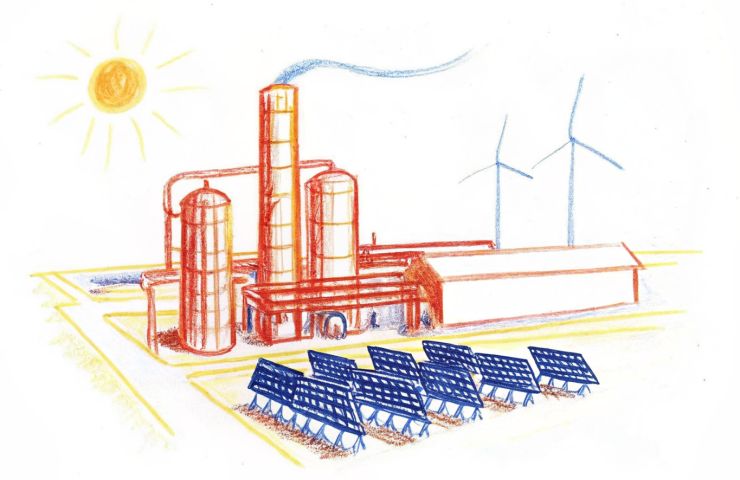
When concerns about energy security start popping up in boardrooms from Brussels to Beijing, folks look for a Plan B. Increasingly, that fallback is hydrogen production, a versatile solution that can fuel heavy industry, stash surplus renewable power for later and serve as the feedstock for cleaner chemicals. For Air Liquide, this worldwide pivot has turned into a surge of business across its hydrogen services.
Surging interest across regions
Earlier this year, Air Liquide noticed a clear uptick in hydrogen enquiries and project proposals coming out of Europe, the Middle East and Asia. Governments and corporations aren’t just eyeing hydrogen as an emissions-cutter—they’re treating it as a ticket to energy independence. That trend showed up in the Q1 2026 results: €6,786 million in revenue, up 3.4% on a comparable basis once you strip out currency swings and energy price moves, a neat illustration of the resilience of hydrogen production and related services.
Renewed momentum rooted in recent crises
The hunt for alternatives to Russian gas in the early 2020s gave hydrogen its latest shot in the arm. Europe raced to diversify supply, mapping out green hydrogen corridors and installing gigawatt-scale electrolyzers. In the Middle East, rock-bottom renewable-power costs are powering pilot schemes, while in Asia, major industrial players are weaving hydrogen into refining, fertilizer and steelmaking, all in pursuit of industrial decarbonization without sacrificing output.
Technical snapshot: pathways to hydrogen
There are multiple ways to make hydrogen, each with its own price tag and carbon footprint:
- Steam methane reforming (SMR): The most widespread method today—reliable but tied to natural gas and CO₂ emissions unless you add carbon capture.
- Electrolysis: Splits water into hydrogen and oxygen using electricity—pair it with renewables and you get bona fide green hydrogen.
- Emerging approaches: Techniques like biomass gasification, pyrolysis or photoelectrochemical cells are still in pilot phases but could shake up the game down the road.
Air Liquide is doubling down on electrolyzer capacity to weave a robust hydrogen infrastructure aligned with net-zero pathways.Strategic investments and M&A
To reinforce its lead in hydrogen, Air Liquide closed the DIG Airgas acquisition in January, adding around €120 million in annual sales and bolstering its network of production and distribution sites. With free operating cash flow forecast at €2.5–3.0 billion a year and a goal to lift margins by 560 basis points by 2027, the company has the financial firepower to back major projects and incubate emerging technologies.
Decarbonizing hard-to-abate sectors
Hydrogen shines in industries where simply flipping a switch to electricity isn’t an option. Steel mills, chemical plants and oil refineries can swap part of their fossil feedstock for low-carbon hydrogen, slashing CO₂ emissions without tearing down existing operations. By supplying high-purity H₂ and end-to-end support, Air Liquide helps these heavy industries hit their decarbonization goals while keeping the assembly lines humming.
Economic and geopolitical benefits
Locking down reliable hydrogen production also insulates economies from the roller-coaster of fossil fuel markets. In the Middle East, coupling abundant solar power with electrolyzers could open a new export corridor, rewriting global energy trade dynamics. In Europe and Asia, diversifying away from single-source gas imports through hydrogen eases vulnerability to geopolitical shocks.
Supply chain and infrastructure challenges
But let’s be real: building out a full-fledged hydrogen economy isn’t a weekend project. Developing pipelines, storage terminals and refuelling stations demands hefty upfront investment and supportive regulation. And until green hydrogen costs fall further, fossil-derived alternatives will stay cheaper. That’s why Air Liquide is teaming up with governments, tech partners and standards bodies to drive innovation, scale up manufacturing and bring down costs across the board.
Financial health backs long-term growth
A robust balance sheet and steady cash flows give Air Liquide an edge in this capital-intensive landscape. A healthy backlog of hydrogen-related contracts offers visibility on future revenues, and ongoing investments in digital solutions aim to squeeze out every ounce of performance from existing assets. With EBITDA projected to hit €8.0–8.5 billion by 2025, the group is well-positioned to bankroll next-gen projects.
Industry outlook and implications
As the price of electrolyzers and renewable power continues to slide, hydrogen is shedding its niche label and stepping into the mainstream of sustainable energy. Near-term growth will hinge on policy incentives—think carbon pricing, subsidies and clear regulation—and how swiftly industrial off-takers lock in long-term supply deals. Over the longer haul, slapping hydrogen into shipping, aviation and heavy trucking could unlock entirely new demand streams.
What this means for stakeholders
Policymakers need to nail down coherent frameworks that tie incentives, hydrogen infrastructure development and safety standards into one seamless package. Investors will be watching who can turn project pipelines into profitable reality. And traditional gas suppliers would be wise to team up with electrolyzer manufacturers and utilities before they get left behind in the race to industrial decarbonization.
The energy transition is more of a marathon than a sprint, but the latest moves from Air Liquide show hydrogen production is hitting its stride. If the industry keeps chipping away at costs, building out infrastructure and fostering cross-border collaboration, there’s a good chance hydrogen will redraw the global energy map—making it cleaner, more resilient and truly independent.