hydrogen production: thyssenkrupp Steel expands Duisburg lab for hydrogen-based iron ore testing
March 30, 2026Deep in Germany’s Ruhr valley, thyssenkrupp Steel is making a bold move toward carbon-neutral steel. On March 24, 2026, they rolled out plans to pour €2.4 million into beefing up their metallurgical lab in Duisburg-Schwelgern. This revamped space will run ISO-compliant testing on iron ores and feedstocks under real-world hydrogen conditions—setting the stage for a future hydrogen-based direct reduction (DR) plant and broader hydrogen infrastructure.
A new lab for tomorrow’s steel
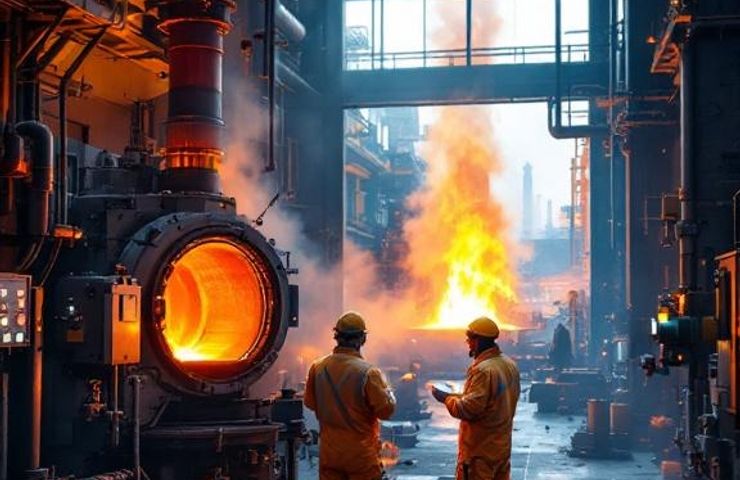
The upgrade, handled by Heat and Power Engineering GmbH, brings in test furnaces that can crank up hydrogen levels from today’s blast furnace norm of around 2 percent all the way to a game-changing 45 percent or more—just like you’d see in a DR setup. And that’s not all: fresh steam injection rigs let engineers dial in different moisture and temperature combos to watch how the ore really behaves. It’s the kind of hands-on work that drives smarter hydrogen production research.
Why it matters
With Europe tightening carbon rules and pushing full steam ahead on the EU Green Deal, steelmakers are under huge pressure to cut emissions. Traditional blast furnaces spew out roughly 7–9 percent of the world’s CO₂, so switching to hydrogen direct reduction could flip that script. Instead of CO₂, the only thing coming off the stack is steam—thanks to green hydrogen. That’s a real win for anyone serious about industrial decarbonization.
Inside hydrogen direct reduction
The H₂-DRI method might sound high-tech, but it basically uses hydrogen gas to strip oxygen from iron ore in a shaft furnace—no carbon monoxide needed. You end up with metallic iron and nothing but water vapor as a by-product. Of course, nailing down ore reactivity, pellet strength and chemical makeup under these conditions is crucial to keep everything humming once the full-scale plant gets going.
Regional transition in the Ruhr
Duisburg-Schwelgern has long been a steel powerhouse, but the area is shifting from coal and coke to renewable energy. This lab expansion isn’t just about technology—it’s about protecting jobs and turbocharging local R&D. As Marco Richrath, COO at thyssenkrupp Steel, puts it, this setup will be “vital for ensuring reliable, top-quality feedstock performance in our future DR plant.”
Strategic and collateral impacts
This project goes way beyond lab tests. It cements thyssenkrupp’s spot in the green hydrogen arena, helps them get ahead of impending EU carbon border rules, and builds up in-house know-how on hydrogen safety and testing. Plus, the new facility lets them experiment with different ore blends, opening doors to more flexible feedstock sourcing down the line.
Historical context
Since Thyssen and Krupp merged in 1999, the group has relied on blast furnaces fueled by Ruhr coal. But rising CO₂ costs and climate goals have nudged them toward a greener path. Just last year, they unveiled a €3 billion green hydrogen steel line, and this lab boost is a key stepping stone toward firing up that full DR operation.
Looking ahead
Sure, we’ll need a bigger supply of green hydrogen to really hit cruising speed, but this move sends a clear signal: thyssenkrupp Steel is gearing up—processes, people and partnerships—for a low-carbon era. As Europe’s hydrogen economy takes shape, the Duisburg lab could become the blueprint for other steelmakers eyeing industrial decarbonization and sustainable energy success.

 With over 15 years of reporting hydrogen news, we are your premier source for the latest updates and insights in hydrogen and renewable energy.