
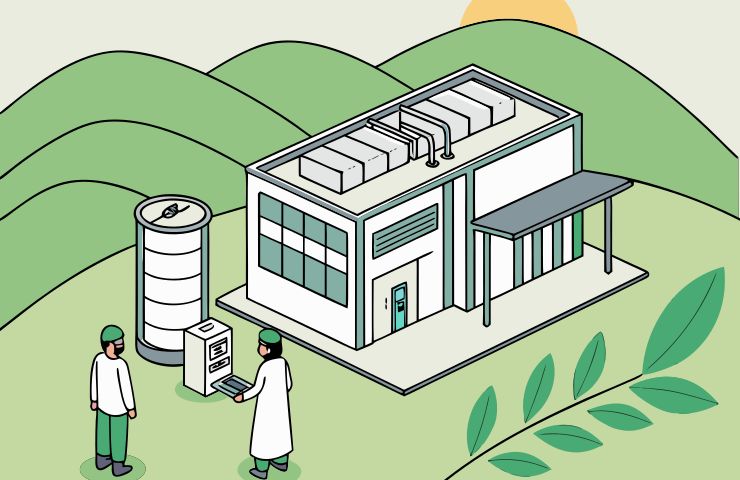
Hydrogen Production via Plastic Waste Conversion Gains In-Principle Approval in Mizoram
February 13, 2026Picture this: the same plastic bottles piling up in landfills could end up powering our world. That’s the idea driving a fresh project in Mizoram. The state’s Empowered Committee on Investment, led by Chief Minister Lalduhoma, has just given an in-principle thumbs-up to FC Tech Energy Company, a Mumbai outfit, to roll out a new fuel cell plant. Their goal? Turn plastic trash into fuel cells and crank out sustainable energy—a neat twist on the circular economy that lines up with India’s broader push for green hydrogen and clean power.
Green nod for plastic-to-energy project
Earlier this month in Aizawl, the committee gathered to pick apart FC Tech Energy’s plan. They watched a detailed run-through of how the firm expects to nail plastic waste-to-energy conversion at scale. With that provisional green light in hand, the company can dive into detailed site surveys and layout designs—subject to a few final safety and feasibility checks, of course. They hashed out the basics: how much land they’ll need, water access for processing, and enough juice from the grid to keep things humming. Neither side’s spilling the exact investment numbers just yet, but they’re lining up a financial roadmap for the next leg. Potential locations were also scouted, picked for ease of transport and resource availability. This whole exercise really signals Mizoram’s appetite for solutions that slice through plastic pollution while boosting energy security.
Aligning with national renewable goals
India isn’t exactly new to the clean energy game, with big targets for solar, wind, and pilot projects that toy with the circular economy. Mizoram’s move slots neatly into that narrative—think of it as one more step toward decarbonizing power and tackling mounting plastic waste. It also echoes the centre’s drive to treat green hydrogen as a strategic energy carrier. By taking cheap plastic feedstocks and turning them into hydrogen-rich gas for fuel cells, Mizoram could set an example of how to hit climate targets and waste reduction in one fell swoop. Fuel cell technology has proven itself in smaller setups, but it’s yet to really spread its wings in India’s northeast. Mizoram’s betting it can be a game-changer, even in a state famed more for bamboo forests than heavy industry.
How plastic waste fuels hydrogen production
At its core, the plan revolves around fuel cell technology, which generates electricity by marrying hydrogen with oxygen and giving off only water vapor. FC Tech Energy’s pitch is simple: shred and pre-treat the plastic, then feed it through a thermochemical process—think pyrolysis or reforming—to churn out hydrogen-rich gas. That gas then feeds the fuel cells, firing up generators that deliver power and heat on demand. It’s a clever two-for-one: slashing plastic clogging landfills while boosting local hydrogen production and dispatchable energy. Scale it up, and plastic goes from problem waste to prized resource.
Economic and environmental ripple effects
Flip the switch on this plant, and you’re looking at a bunch of new jobs—from technicians wiring up control panels to coordinators juggling logistics. Environmentally, steering plastic away from dumps or burning could shave greenhouse gas emissions and improve local air quality. Locally generated power also means fewer diesel gensets and less dependence on pricey imported fuels. Beyond that, a steady supply chain for recycled plastic could spark a mini circular economy in Mizoram—recyclers, transporters, chemists, you name it—and even lure R&D partnerships to the region.
Site considerations and infrastructure needs
Picking the perfect spot isn’t just about square footage. FC Tech Energy needs reliable water for processing, a solid connection to the grid, and enough buffer to keep neighbours happy. State bodies have already flagged environmental impact assessments to make sure the plant fits in with Mizoram’s green buffer zones. And local buy-in is key—community consultations will shape the final layout, ensuring people feel heard and benefits are shared. Nailing these steps helps the project run smoothly and builds trust around the tech.
Due diligence and next steps
With in-principle approval on the table, the next move is pretty hands-on. A team from Mizoram—tech experts, environmental officers, you get the idea—will head to Mumbai to tour FC Tech Energy’s existing facility. The goal? Make sure the system lives up to the glossy slides under real-world conditions. Once that field visit report lands back on Aizawl’s desk, the committee will tweak any final conditions before stamping full approval. It’s a cautious, step-by-step playbook that other states might well copy when vetting their own clean energy dreams.
State’s broader investment portfolio
This FC Tech Energy venture is just one piece of Mizoram’s bigger investment puzzle. At the same meeting, they also checked in on Opickpure Private Limited, which is wrapping up a ginger processing unit in Champhai district backed by a Rs 2.50 crore cheque. With Opickpure nearing the finish line, it’s clear Mizoram wants to spread its bets—from agribusiness to clean energy—so growth stays balanced and taps into homegrown resources.
Looking ahead: replicability and scale
Of course, the real proof will be in the pudding. Can Mizoram’s model be cloned elsewhere? The marriage of sustainable energy and circular waste management could catch on in other states wrestling with plastic overload and power shortages. If FC Tech Energy nails it on Mizoram’s rugged slopes, it could set the stage for rollouts in places where grid power is spotty. Scaling up will hinge on supportive policies, sweeteners for hydrogen production, and buy-in from local players. A win here could be the blueprint for a nationwide shift toward turning waste into clean fuel.
So, for Mizoram, it’s not just about landing a fuel cell plant—it’s about showing how trash can turn into treasure. If the delegation’s trip to Mumbai checks all the boxes, this experiment might just rewrite how we see plastic and power. Everyone’s keeping an eye on Mizoram—here’s hoping the project delivers on its promise and opens a new chapter for hydrogen production in India’s northeast.


 With over 15 years of reporting hydrogen news, we are your premier source for the latest updates and insights in hydrogen and renewable energy.
