Hydrogen Retrofit: e1 Marine & PowerCell to Power Luxury Yacht
e1 Marine and PowerCell Group will retrofit a luxury yacht with eight M30 reformers integrated into M2Power 250 fuel cell modules, delivering 0.5 MW of zero-emission power from methanol by 2027.
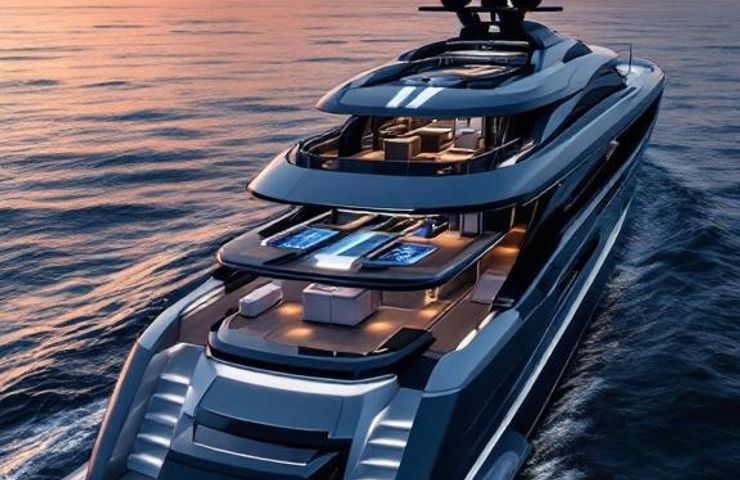
This April, e1 Marine rolled out its latest commercial methanol-to-hydrogen retrofit, supplying eight M30 reformers to fuel PowerCell Group’s M2Power 250 platforms. Part of a 43 million SEK order from a European shipyard, the 0.5 MW system—scheduled for delivery in 2027—uses a methanol-and-water mix to churn out high-purity hydrogen onboard. That means you can ditch compressed storage and swap out diesel gensets for zero-emission technology built around clean hydrogen fuel cells.
Strategic Angle
This is e1 Marine’s second commercial yacht retrofit, showing just how eager the market is for onboard hydrogen production and hydrogen fuel cells. The company, which sprouted from Element 1 Corp. in Bend, Oregon, was snapped up by Maritime Partners on July 1, 2024, to help scale zero-emission technology across Jones Act–compliant vessels and leisure craft. Back in May 2024, they even struck a Design Basis Agreement with the U.S. Coast Guard for the M/V Hydrogen One towboat, putting their tech front and center in a government-led decarbonization effort.
Teaming up with Sweden’s PowerCell Group—fresh off that 43 million SEK M2Power 250 deal—gives e1 Marine entrée into shipyard channels and integration know-how. With the IMO’s 2021 carbon intensity targets (40 % cut by 2030; 70 % by 2050) and tighter port air-quality rules breathing down operators’ necks, this retrofit is a smart shortcut to compliance, leaning on existing methanol bunkering practices.
Project Details
Under the framework agreement, PowerCell will ship eight M2Power 250 units—each pairing a 250 kW MS-250 fuel cell with an e1 Marine M30 reformer—to a European shipyard. Each M30 module squeezes out ≥ 99.97 % pure hydrogen (ISO 14687 certified) by reforming methanol and water, then stripping out CO₂ and moisture with a patented membrane purifier. Bonus points: the waste heat and water can feed auxiliary heating or freshwater systems onboard, pushing overall efficiency even higher.
Once installed, the integrated platform delivers about 0.5 MW of continuous electrical power for hotel loads and light propulsion assist. Replacing diesel gensets cuts CO₂, NOₓ, and particulate emissions to almost zero. They’re targeting delivery and sea trials in 2027, with e1 Marine, PowerCell, and the shipyard’s engineers teaming up for final commissioning.
Policy Context
This retrofit lines up perfectly with IMO’s Energy Efficiency Existing Ship Index (EEXI) and Carbon Intensity Indicator (CII) regulations, which nudge shipowners to wring more performance out of existing vessels. By decarbonizing auxiliary and minor propulsion power, operators can score better CII ratings without waiting for new builds. Meanwhile, U.S. port authorities are tightening at-berth emission rules, making zero-emission technology an ever-more attractive choice. Maritime Partners’ Jones Act focus also taps into national incentives for cleaner fuels.
Technical Snapshot
The M30 Methanol-to-Hydrogen Reformer is a marine-grade module that uses e1 Marine’s patented membrane purifier to split methanol into hydrogen and CO₂, then filter out impurities to deliver fuel-cell grade hydrogen. It slots seamlessly into PowerCell’s MS-250 fuel cell on the M2Power 250 skid, dynamically modulating output to match electrical demand. By relying on liquid methanol—handled through standard marine pumps and tanks—the system sidesteps bulky high-pressure cylinders and trims operational complexity.
Key Takeaways
- Commercial validation: Second yacht retrofit proves the appetite for onboard hydrogen fuel cells and fuel cell technology in the leisure market.
- Regulatory compliance: Boosts IMO’s 2030/2050 carbon intensity targets and meets U.S. port-emission rules.
- Operational simplicity: On-demand hydrogen from methanol avoids the headaches of high-pressure storage.
- Collateral benefits: Recoverable heat and freshwater by-products deliver extra efficiency gains.
- Scalability: Platform can flex to ferries, towboats, and port-side power—proof of its versatility.
If everything lands on schedule for 2027, this retrofit could tip the scales toward upgrading existing fleets—a near-term route to decarbonization—rather than banking on brand-new zero-emission vessels. With projects like the M/V Hydrogen One lined up, e1 Marine and PowerCell are staking a claim at the forefront of the maritime sector’s shift to sustainable energy solutions.
About the Companye1 Marine is a U.S.-based developer of advanced methanol-to-hydrogen generation systems for maritime and port industries. Born from Element 1 Corp. in Bend, Oregon, and acquired by Maritime Partners in 2024, its M30 reformer powers zero-emission fuel cells without compressed hydrogen storage, driving the future of sustainable energy at sea.