
Hydrogen Storage Boost: ZeroAvia and KAERI Develop Composite LH2 Tanks for Aviation
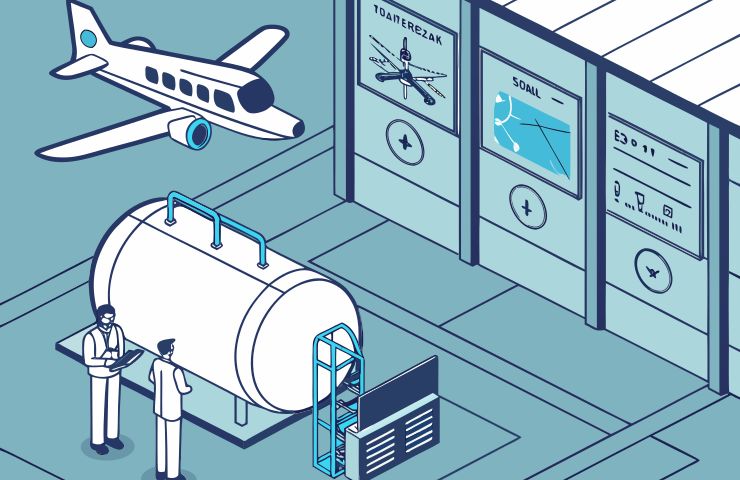
March 12, 2026When ZeroAvia, the UK-based trailblazer in hydrogen-electric aviation, inked a multi-year deal on March 4, 2026, with South Korea’s Korean Atomic Energy Research Institute (KAERI), we knew something exciting was brewing. The plan? Team up on cutting-edge composite liquid hydrogen storage systems for aircraft—think next-gen tanks that keep liquefied hydrogen at a frosty −253 °C, trim down weight and lock in safety. Both sides are all in, tackling one of the stickiest challenges for truly zero-emission technology: long-range, cryogenic hydrogen storage that’s light, efficient and rock-solid safe.
Strategic Partnership and Market Impact
It’s a match made in R&D heaven: ZeroAvia brings its in-house mastery of fuel cell technology and hydrogen powertrains, while KAERI flexes its government-funded prowess in advanced materials and hydrogen storage research. ZeroAvia will handle design tweaks and testing protocols for the composite LH2 tanks, and KAERI’s engineers will build prototypes and run cryogenic trials at their South Korea labs. By weaving private-sector innovation with public research muscle, they’re hedging development risks and aiming to fast-track proof-of-concept demos.
Technical Snapshot
At the heart of this project are those layered composite tanks—carbon-fiber shells wrapped around advanced polymers—designed to hold liquid hydrogen at near-absurdly low temperatures while keeping boil-off in check. Swap out old-school metal vessels for these, and you shave off tons of weight and slot the tanks right into the airframe. Specs call for beefed-up insulation, bulletproof structural strength and full aviation safety compliance. Ground tests will zero in on thermal control, pressure management and handling protocols—must-have steps before marrying them to powertrains like ZeroAvia’s ZA600, a 600 kW system primed for regional turboprops by 2026.
Industry Context and Historical Developments
Green hydrogen in aviation has gone from lab curiosity to headline grabber since 2020, fueled by tougher carbon targets and big strides in fuel cell technology. ZeroAvia already took the ZA600 up for demo flights in 2023 and is crafting the next-level ZA2000—a 2–5 MW beast aimed at 40–80 seat aircraft by 2028. Yet on-board LH2 storage still feels like a bottleneck: cryogenics, insulation and weight issues are no joke. This KAERI tie-up plugs into a global chorus of EU, UK and US funding streams all racing to crack storage density and mass challenges ahead of commercial rollouts in the 2026–2030 window.
Funding and Policy Backdrop
This partnership lands smack in the middle of a policy gold rush. Governments from Europe to the US are doling out grants, tax credits and competitive R&D calls to supercharge industrial decarbonization via hydrogen. South Korea’s national hydrogen strategy even puts cryogenic storage and fuel cell adoption front and center. By tapping into these funding pools, ZeroAvia and KAERI not only beef up their budgets but also pave the way for co-funded large-scale trials—trimming capital risk and speeding up timelines for hydrogen-electric aviation prototypes.
Broader Ecosystem Impacts
Nail this, and the ripple effects go far beyond airport tarmacs. Airports will need next-gen refueling stations, compression loops and transfer rigs. Green hydrogen producers could see fresh demand for liquid stockage, and as supply chains for cryogenic gear—insulation materials, vacuum jackets, specialty valves—mature, LH2 handling costs should slide downward. Bonus: heavy-duty transport, industrial processes and other sectors leaning into hydrogen storage stand to gain, while new jobs pop up in advanced manufacturing, materials testing and certification services.
Potential Commercial Outlook
The vision is to marry these composite LH2 tanks with ZeroAvia’s lineup—kick off with the ZA600 for 10–20 seat turboprops, then scale up to the 2–5 MW ZA2000 for bigger 40–80 seat birds. No hard dates for full flight demos yet, but they’re pacing it: tank validation on the ground first, system integration next, then test flights. If it all clicks, hydrogen-electric aircraft could be hopping regional routes by the late 2020s, slashing in-flight CO₂ emissions entirely on short hops. Of course, airlines will keep a close eye on cost, regulatory green lights and refueling networks before placing big orders.
Key Takeaways
- Multi-year R&D partnership merging ZeroAvia’s propulsion expertise with KAERI’s cryogenic know-how.
- Composite liquid hydrogen storage tanks engineered for weight savings and top-tier insulation.
- Phased approach: ground trials → system integration → flight demonstrations.
- Closely tied to global policy pushes in zero-emission technology and infrastructure build-out.
Challenges and Next Steps
That said, liquid hydrogen isn’t a walk in the park. You need bulletproof safety checks, razor-sharp thermal controls and a supply chain ready to crank out those advanced composite parts. Next up is proving tank performance under flight-like stresses and nailing compliance with ever-evolving aviation regs. ZeroAvia hints that the heavy lifting rolls out through the back half of this decade, but they’re keeping exact flight-test dates under wraps for now.
All told, this collaboration is a solid stride toward making hydrogen-electric aviation commercially real. By tackling one of the toughest barriers—advanced composite liquid hydrogen storage—ZeroAvia and KAERI are laying the groundwork for regional aircraft that can truly promise zero-emission flights from day one.


 With over 15 years of reporting hydrogen news, we are your premier source for the latest updates and insights in hydrogen and renewable energy.