
Hydrogen Storage Breakthrough: 600 MW Rathrush Energy Park in Ireland
June 22, 2026Ever wonder how we can harness those blustery Irish winds and turn them into a constant power source? Imagine a huge underground vault that can hold onto green electricity for days, maybe even weeks, and then release it to the grid right when it’s needed most. That’s what Net Zero Energy is aiming for with its ambitious Rathrush Green Energy Park in County Carlow, Ireland. We’re talking about a whopping 600 MW of long-duration energy storage powered by green hydrogen!
Conquering the Flexibility Challenge
I mean, Ireland has made impressive strides in renewable energy—on windy days, those turbines can churn out over half the country’s electricity. But here’s the catch: those winds can be all over the place. One minute it’s howling, and the next, it’s as calm as a summer’s day. When the power generation outpaces demand, grid operators have to pull back on those wind farms, wasting perfectly good, low-cost, zero-carbon energy. And when the winds die down, you can bet those natural-gas plants are cranking up to avoid blackouts, which totally undermines our climate goals.
Now, while short-term lithium-ion batteries can handle those hour-long dips, they just don’t cut it for longer storage durations—they’re pricey and rely on materials that are in short supply. Pumped hydro and compressed air are limited by Ireland’s geography. With rapid growth in offshore wind and ambitious solar plans on the table, those fluctuations are only going to get worse. Enter long-duration energy storage (LDES) using green hydrogen—a scalable solution that acts as a buffer between renewable energy supply and what the grid actually needs.
The Secret Sauce: Underground Hydrogen Caverns
Now, here’s the cool part: all that extra renewable electricity can power electrolysers that split water into hydrogen and oxygen, effectively storing energy in that hydrogen gas. The modern systems in use nowadays have conversion efficiencies hitting up to 75% and are only getting better.
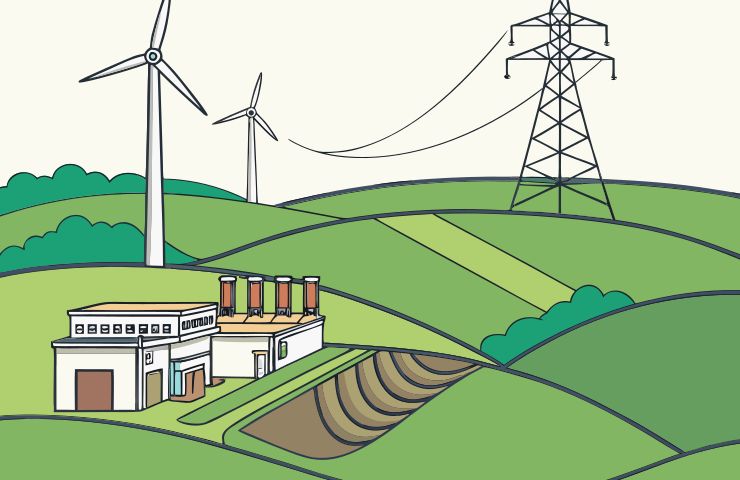
Next up, the hydrogen gets sent underground into specially designed rock caverns, lined securely with steel or concrete. These chambers, dug out deep below the surface, are monitored using sensors that keep an eye on pressure, temperature, and any possible leaks, ensuring everything stays safe and sound.
When there’s a demand for electricity, compressors pull the hydrogen back out, sending it into gas turbines or fuel cells to spin up generators. The whole process creates a flexible, long-duration storage cycle that can last for days or even weeks—not just hours. Sure, there might be a bit of energy loss with each cycle, but the vast capacity of these underground stores makes it super cost-effective for extended gaps in supply—crucial for a grid powered by renewables.
Major Benefits: Grid Stability and Cuts in Emissions
According to the project developers, the Rathrush Green Energy Park could provide up to 10% of Ireland’s peak electricity demand when it’s needed most—think of those chilly winter evenings or those spells when the winds go quiet. By cutting down on the need for gas-powered peaker plants, this project aims to dodge around 180,000 tonnes of CO₂ emissions each year.
And it doesn’t stop there! This facility could soak up any extra renewable energy, drastically reducing waste and making sure we get the most out of our wind and solar farms. It also has the potential to compete in capacity auctions, provide frequency services, and engage in price arbitrage—buying power when it’s cheap and selling it when prices spike, creating more revenue streams and helping keep prices stable.
Plus, storing our domestic renewable energy means less reliance on imported fuels, which not only strengthens our energy security but also provides flexibility right at home, complementing the existing interconnector imports.
Bringing It to Life in County Carlow
So, why County Carlow? This mostly rural area, with a community of about 62,000, has solid grid access and the type of bedrock that makes for stable underground caverns. It’s got gentle hills and farmland, with no major fossil fuel sites around, and it sits conveniently close to planned wind farms and existing grid infrastructure.
The company is eyeing a massive investment of around €2 billion to set up those electrolysis units, cavern construction, compression systems, and reconversion turbines. You can bet that kind of cash could create hundreds of construction jobs and a bunch of long-term roles, not to mention boosting local supply chains in civil engineering and specialized fabrication.
Net Zero Energy is planning to hold a big community consultation this year to chat about things like site layout, traffic, and safety measures before they submit an official planning application by the end of next year. And it’s about more than just jobs; they’re also considering an on-site learning center that could help schools and universities delve into the world of hydrogen technology—bringing even more benefits to local education and research.
Getting Down to Business: Strategy and Partnerships
Net Zero Energy is not just the brains behind this project; they’re also leading the investment side of things, handling community engagement, planning, and financing. While the Irish government hasn’t directly put money in, the Rathrush project aligns with national climate policies aimed at cutting emissions by 51% by 2030 compared to 2018 levels and getting to net-zero by 2050.
At the EU level, there’s a chance for support through the European Commission’s Hydrogen Bank and Important Projects of Common European Interest (IPCEI) initiative, which could offer grants or favorable financing. Regulatory changes are also in the works to recognize hydrogen storage as a crucial asset for the system, which is essential for attracting investment and locking down clean hydrogen offtake agreements.
On the technical front, the lined rock cavern design takes cues from successful demonstration sites in the Nordic countries, adapting those proven underground storage methods to fit Ireland’s geological landscape. Talks with turbine manufacturers and electrolyser suppliers are ongoing, though specifics are still under wraps.
Clear and supportive regulations that value long-duration storage in capacity markets will be key to securing the necessary funding, making policy direction just as important as those engineering achievements.
A Glimpse into What’s Next
Picture a network of underground hydrogen hubs all over Europe and beyond, each one stashing renewable power for when it’s urgently needed. If Rathrush succeeds, it could pave the way for longer-term storage solutions that are both safe and economical. This project could showcase how green hydrogen storage not only enhances grid resilience on an unprecedented scale but also balances high shares of offshore wind, tackling the tough challenges of prolonged calm weather and seasonal swings without relying on gas plants.
This approach transitions us away from just patching things up when the power dips to creating grids that thrive, using stored green energy to power homes, businesses, and factories cleanly. We’re moving towards a future where we no longer chase fossil fuels for energy baseload—we can stand on our own two feet.
The next few months will be telling. Will Rathrush hit its key milestones and set the stage for hydrogen storage innovation worldwide?
If you’re ready to see hydrogen storage open the floodgates for a clean energy future, keep an eye on Rathrush Green Energy Park—it might just change the game!

 With over 15 years of reporting hydrogen news, we are your premier source for the latest updates and insights in hydrogen and renewable energy.