Hydrogen storage leap: solar-driven copolymer captures and releases green hydrogen on demand
March 3, 2026Picture this: you soak up sunlight to charge a liquid “battery,” then flip a switch hours or even days later to release pure hydrogen on demand. That’s precisely the trick researchers at Ulm University and Friedrich Schiller University Jena have pulled off. They’ve crafted a water-soluble redox-active copolymer that photocatalytically traps solar energy with an efficiency north of 80%, holds onto it for days, and, with a simple pH-triggered nudge, churns out green hydrogen at 72% efficiency—day or night. It’s a big leap for both hydrogen storage and sustainable energy research.
From Sunlight to Storable Electrons
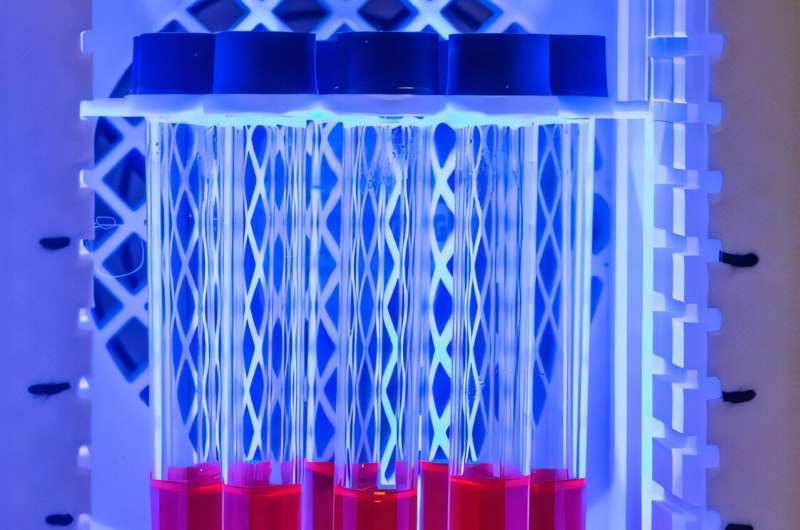
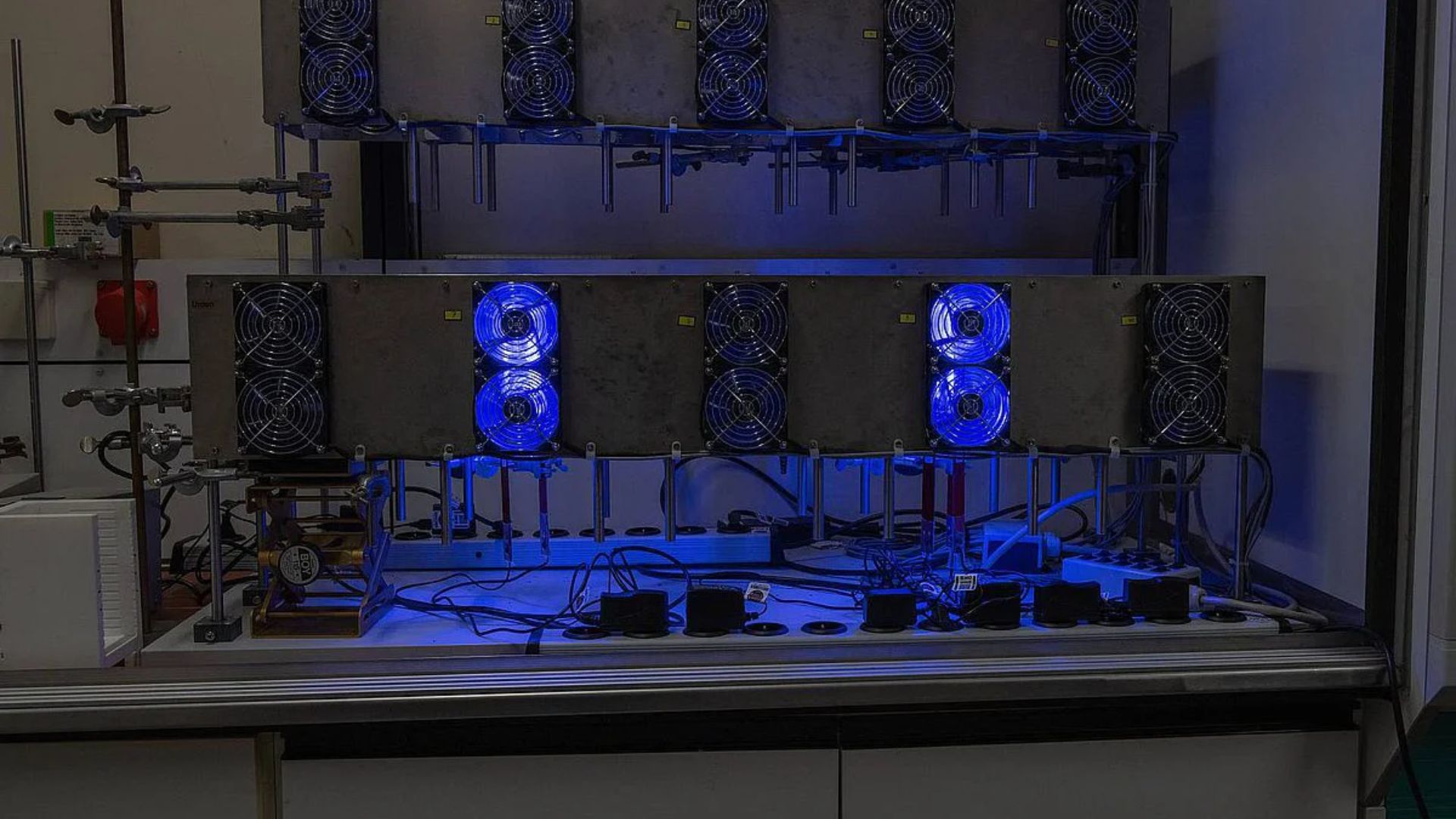
At the heart of this “solar battery” is a tailor-made macromolecule that’s part molecule, part energy sponge. Under simulated sunlight, little photocatalyst bits embedded in the polymer backbone light up and grab electrons, locking away more than 80% of the sun’s energy. Because the polymer dissolves so well in water, it stays rock-solid—electron-wise—for days. You’ll even see it change color: yellow when it’s empty, violet when it’s fully charged. When you want hydrogen, you just pour in a bit of acid to shift the pH. That gentle push lets the electrons flow to a hydrogen-evolution catalyst, which hooks them up with protons to spit out H₂ gas at about 72% efficiency.
Built on German Research Excellence
This breakthrough didn’t pop out of thin air—it’s the fruit of over ten years of teamwork across Germany’s top labs. At Ulm University’s Institute of Inorganic Chemistry I, Professor Sven Rau has steered the Green Energy Campus Ulm and the POLiS Cluster of Excellence, dripping in about €47 million to explore post-lithium storage ideas through 2032. Just a stone’s throw away, Professor Ulrich S. Schubert at Friedrich Schiller University Jena runs the CataLight consortium with more than €12 million aimed at ramping up photocatalytic hydrogen production. Add in expertise from the Helmholtz Institute Ulm, ZSW, the Max Planck Institute and the University of Vienna, and you’ve got a dream team covering materials, catalysis and reactor design.
Technical Deep Dive
Diving into the nitty-gritty, this copolymer is packed with reversible redox units that eagerly soak up electrons under light. When you acidify the solution, protonation flips the redox potential of these units, funneling electrons straight to a non-noble-metal hydrogen catalyst. The beauty of this approach is that it rolls solar capture, energy storage and hydrogen release into one single liquid medium—no separate PV panels, electrolyzers or bulky compressors required. You also dodge cryogenic setups and high-pressure tanks, opening the door to modular, transportable “solar battery” pods that you can plumb in almost anywhere.
Strategic Implications for Industry
For industries hungry for steady hydrogen supply—think steel electric arc furnaces or big chemical plants—intermittent renewables plus standalone storage can feel like a gamble. This copolymer trick, however, delivers on-site, on-demand green hydrogen, smoothing out those ups and downs. Early techno-economic figures hint at a 15–20% cost saving compared to the classic PV-plus-electrolyzer route, though full-scale modeling is still in progress. Best of all, you can drop these decentralized polymer units into existing hydrogen infrastructure or even power up remote operations without shelling out for major grid upgrades.
This fits snugly into Europe’s push for sustainable energy. The EU’s Clean Hydrogen Partnership and Germany’s National Hydrogen Strategy aim for 10 Mt of H₂ a year by 2030. By scattering production across these solar battery modules, you gain flexible demand response, ease transmission chokepoints and turbocharge zero-emission rollouts. Don’t be surprised if regulators start green-lighting pilot permits for polymer-based units faster—seeing them not as rivals to big electrolyzer parks, but as complementary assets in the race to decarbonize.
Comparing Storage Approaches
When you stack this liquid-phase copolymer against traditional hydrogen storage—compressed gas, liquid carriers, or metal hydrides—it sidesteps many safety and cost headaches. Batteries like lithium-ion handle quick buffering well, but they can’t hang onto energy for days like hydrogen can. This copolymer system brings together high energy density and reversible charge/discharge cycles without atomic-bomb-level pressures or arctic chillers. It’s a real game-changer for hydrogen logistics, whether you’re topping off fuel-cell vehicles locally or banking energy seasonally.
Next Steps and Challenges
Of course, there’s still work ahead. The team needs to ramp up polymer synthesis for larger volumes, prove that the material can ride hundreds of charge/discharge cycles, and build continuous-flow reactors that play nicely at scale. They’ll also dive into lifecycle analyses and figure out how to reclaim or recycle spent polymers to keep the environmental footprint in check. On top of that, some labs are tinkering with hybrid setups that churn out oxygen or even specialty chemicals during discharge, while others are putting the hydrogen through its paces to meet PEM fuel cell purity standards.
Launched in Nature Communications, this study is a milestone on the road to flexible, high-efficiency hydrogen production and storage. If pilot runs mirror the lab numbers, we could see modular “solar battery” units rolling out to feed on-demand green hydrogen for everything from industrial decarbonization to clean mobility and grid balancing—supercharging the global shift to a greener future.


 With over 15 years of reporting hydrogen news, we are your premier source for the latest updates and insights in hydrogen and renewable energy.