
Hydrogen Storage Pilot at Etzel Completes 90 Tonnes Underground Filling
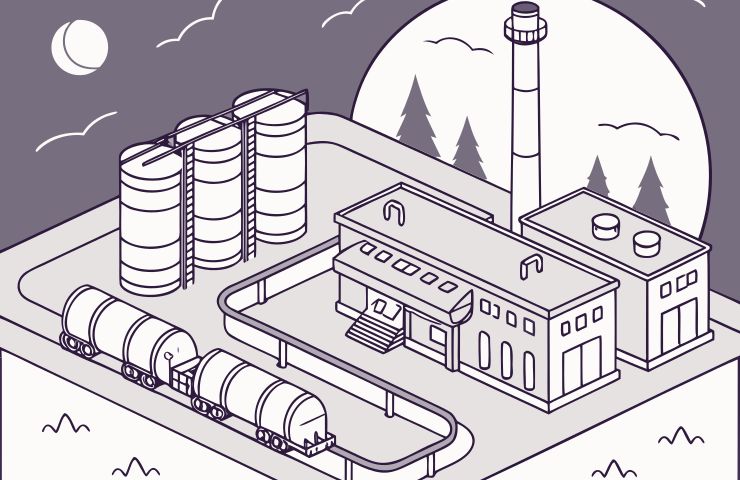
April 1, 2026Guess what? STORAG ETZEL GmbH and Gasunie have just nailed the hydrogen filling phase of their pilot H2CAST Etzel project at the Etzel salt cavern site near Wilhelmshaven in Lower Saxony, Germany. Over a few weeks, they pumped in about 90 tonnes of hydrogen—think roughly a million standard cubic meters—into two repurposed caverns. It’s a hands-on test to crack the code on underground hydrogen storage, try out hydrogen purification methods, and run multiple injection-withdraw cycles using existing gas infrastructure.
Background on the Etzel Site and Partners
The Etzel cavern complex has been part of Germany’s energy story since the early ’70s, stashing crude oil and natural gas in deep salt formations. STORAG ETZEL GmbH has been steering the ship since 1971, offering independent storage not just for Germany but for all of Northwestern Europe. Recently, they’ve taken the lead on H2CAST Etzel, eyeing a sunnier future for these caverns by converting them to hydrogen. On the other side, Dutch network guru Gasunie—with its sprawling natural gas pipelines and injection know-how—has been gearing up the site for underground hydrogen storage.
The Hydrogen Filling Phase
Coordinating 200 specialized trailers full of hydrogen was no small feat. Once they arrived at Etzel, the team hooked them to the existing wellheads and started pumping the gas into two designated caverns. Spoiler alert: it went off without a hitch—no leaks, no drama. Gasunie was so confident in their prep work, they described the operation as smooth, safe, and spot-on for a pilot of salt cavern storage.
Secret Sauce: Purification and Multi-Cyclic Testing
But here’s where things get interesting: the modular above-ground hydrogen purification plant. Picture a mini factory that dries, purifies, and compresses hydrogen for injection or withdrawal. With a plug-and-play design, engineers can mix and match dryers, filters, and compressors to see which combo hits peak performance. They’ll be logging data week after week—pressure drops, purity levels, energy use—all of which will shape the next-gen storage sites.
Strategic Significance
Europe’s energy transition hinges on having a solid way to stash hydrogen at scale. Deep salt formations check all the boxes: high capacity, geological stability, and relative affordability. By retrofitting existing caverns for underground hydrogen storage—complete with smart purification, drying, and compression—the H2CAST Etzel team is pushing hydrogen infrastructure forward in Northwest Europe. The data they collect will underpin supply security and help build a full-blown commercial hydrogen market, right in sync with the EU’s new gas and hydrogen rules.
Collateral Impacts and Energy Security
Repurposing old caverns slashes the time and cost of carving out new ones. Plus, it gives the grid extra flexibility: pump in hydrogen when renewables are cranking, pull it out when demand spikes, or feed industry with low-carbon fuel. The lessons from H2CAST Etzel will guide policymakers, investors, and operators on cavern performance, purification strategies, and multi-cycle endurance. That info could fine-tune regulations and spark fresh investments in hydrogen storage.
Logistics: A Feat of Coordination
Getting that modular purification plant to Etzel felt like a world tour. Major gear shipped from Rotterdam via barge and road, showing how hydrogen infrastructure supply chains are leveling up. On-site assembly kicked off earlier this year, mixing factory acceptance tests with live checkouts. Now they’re deep in commissioning mode, with continuous trials slated through year-end. Performance numbers? Expect those in your inbox soon.
Geological and Regional Context
Nestled in East Frisia, near the port of Wilhelmshaven, the Etzel site sits atop sturdy salt domes that have been powering the region for decades. That deep-water port is a bonus: hydrogen can roll in by ship or pipeline, get tucked away in caverns, then flow out into Germany’s network or cross borders with ease. The salt’s impermeability and self-healing traits make it an ideal vault—crucial when you’re handling a molecule as light and finicky as hydrogen.
Monitoring and Data Collection
Sensors are everywhere—buried in caverns, mounted on surface equipment—tracking pressure, temperature, and gas composition in real time. All that data funnels into a high-tech control system that juggles injection and withdrawal to keep things safe. Analytics spot trends, flag maintenance needs, and ensure the operation hums along. It’s a hands-on lab for testing large-scale salt cavern storage without a hitch.
Built for the Future
The best part? This isn’t a one-off demo. H2CAST Etzel is a full-scale pilot aimed at writing the playbook for tomorrow’s hydrogen storage projects. By fine-tuning multi-cycle operations and purification workflows, they’re laying out best practices and technical standards. When the time comes to roll out commercial facilities, engineers will have tried-and-true designs in their back pockets.
Serious About Leading the Energy Transition
If you keep an eye on sustainable energy, this project hits all the right notes. It shows Europe is fully committed to the energy transition, and that we can repurpose what we’ve already got—like those Etzel salt caverns—to store green molecules at scale. H2CAST Etzel is tossing down a gauntlet for large-scale hydrogen storage, proving that salt cavern storage is a key piece of the decarbonization puzzle.
Bottom line, filling two caverns with 90 tonnes of hydrogen marks a major milestone for hydrogen storage. With ongoing purification and multi-cyclic trials, H2CAST Etzel is laying the groundwork for an affordable, flexible, and secure underground hydrogen storage system—one that could reshape Northwest Europe’s energy landscape and beyond.

 With over 15 years of reporting hydrogen news, we are your premier source for the latest updates and insights in hydrogen and renewable energy.