
Hydrogen Storage Pilot in Sweden Secures Permit Extension to 2031
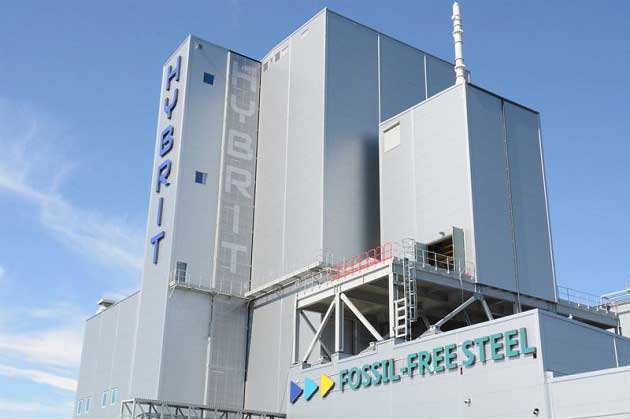
February 27, 2026Big news: HYBRIT’s pilot hydrogen storage facility at Svartöberget, just outside Luleå, has scored a permit extension through 2031. That extra runway is a game-changer for proving out large-scale rock cavern storage and weaving intermittent renewable electricity into a truly sustainable energy and industrial decarbonization journey for steelmaking.
Permit Extended through 2031
Swedish authorities have given the green light, renewing the temporary building permit for the 100 cubic-metre steel-lined cavern run by Hybrit Development AB—the joint venture of SSAB, LKAB and Vattenfall. Originally set to wrap up in a few years, the pilot can now keep charging and discharging hydrogen until 2031. This nod came after thorough technical reporting to the Swedish Energy Agency, which chipped in a SEK 52 million grant toward the cavern’s construction.
Under the Hood: Steel-Lined Rock Cavern
Sitting next to the direct-reduction pilot in northern Sweden’s renewable-rich grid, the cavern holds pressurized hydrogen made from wind and hydropower. Hydrogen flows in through dedicated tunnels, where compressors crank up the pressure before it meets the steel lining. Vent shafts, safety sensors and built-in pipelines let operators cycle hydrogen in 3–6-week runs. Since mid-2022, the pilot has clocked 3,800 operating hours at 94 percent availability and aced accelerated tests simulating 50 years of service.
Economic and Environmental Payoff
Crunching the pilot data shows two big wins when you pair green hydrogen with large-scale storage:
- Cost savings: Real-time optimization against spot and intraday electricity prices chopped variable operating costs by 26–31 percent. Models suggest those savings could climb to 25–40 percent as scale and market know-how improve.
- Emissions cuts: Swapping coke for hydrogen in direct reduction could slash Sweden’s CO₂ emissions by up to 10 percent and Finland’s by around 7 percent once rolled out across major steel mills.
And there’s more: rock caverns have long stored natural gas, but proving them for hydrogen paves the way to decarbonize refineries, chemical plants and heavy transport—and underlines why robust hydrogen infrastructure matters.
Strategic Angle for Sweden’s Industry
With abundant renewable power—especially in Norrbotten County—Svartöberget is the ideal playground for balancing peaks and troughs. By smoothing out demand swings, large-volume hydrogen storage boosts grid resilience and lets more wind and solar hook up cleanly. For SSAB and LKAB, the data derisks plans for Europe’s first fossil-free steel value chain, while Vattenfall gains priceless insights into marrying power markets with heavy industry.
Next Steps for Commercial Scale
With operations now guaranteed to 2031, HYBRIT will zero in on optimizing the cavern design and nailing down market integration. The team’s eye is on a first commercial demo in Gällivare around 2030. Backed by the pilot’s stellar availability and proven performance, they’re laying the groundwork for multi-thousand-tonne hydrogen caverns that can feed industrial-scale direct-reduction plants.
Why This Matters
This permit extension isn’t just another checkbox. It cements Sweden’s lead in industrial decarbonization and proves you can make large-volume hydrogen storage both technically sound and economically viable. If you’re following the energy transition, HYBRIT’s Svartöberget pilot shows how pairing sustainable energy with smart hydrogen infrastructure finally unlocks zero-emission steel.

 With over 15 years of reporting hydrogen news, we are your premier source for the latest updates and insights in hydrogen and renewable energy.
