IMO Finalizes Seafarer Training Guidelines for Methanol and Ammonia
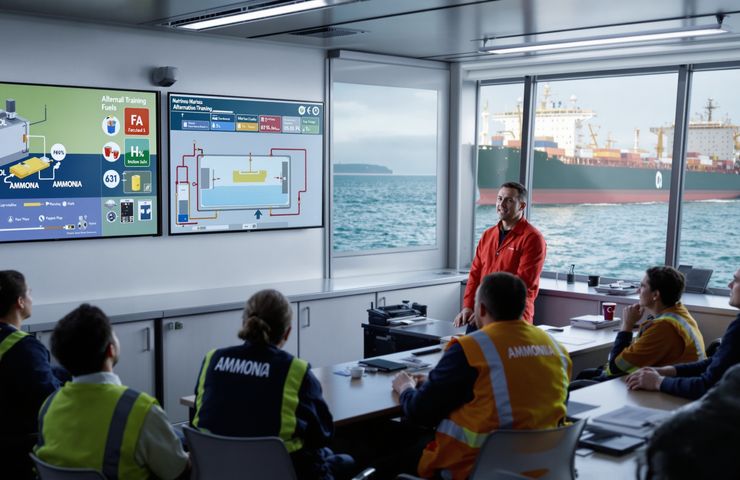
March 10, 2026At the 12th session of the IMO HTW Sub-Committee (23–27 February 2026), the crew’s training got a serious upgrade: draft interim IMO guidelines for seafarer training on marine methanol– and ammonia fuel-fuelled vessels were wrapped up. The latest modules, cooked up by Lloyd’s Register and BIMCO, build on a generic framework greenlit at MSC 110 in 2024, and they’re now heading to MSC 111 in May 2026 for the final stamp of approval. This non-mandatory curriculum dives into fuel properties, transfer operations, engine handling, leak detection, emergency drills and top-notch personal protective gear—whether you’re on an IGF Code ship or sailing under alternative arrangements.
Why these new rules matter
It’s no secret the industry is racing towards shipping decarbonization—bunker prices have been through the roof (VLSFO at $659/mt, MGO at $1,029/mt as of March 2026) and GHG targets aren’t waiting around. These guidelines, hammered out with the Maritime Just Transition Task Force, marry fuel-specific modules to existing training standards so crews know exactly what to expect. And at HTW 12 they even launched a new correspondence group on fatigue and working hours, putting crew welfare front and centre alongside technical skills.
A modular, get-it-all setup
The beauty of this approach is its flexibility: it shows how ammonia fuel and marine methanol sessions slot right into generic alternative fuel training, letting administrations mix and match or run standalone courses. You’ll find modules on leak containment for ammonia, flammability control for methanol and hands-on gas detection. Big names like Lloyd’s Register and BIMCO will back the technical validation and help roll out the programme worldwide.
Looking ahead to 2029
And they’re already planning the next steps. The draft roadmap pins hydrogen fuel-cell training as the priority after 2026, followed by guidance on LPG, battery energy storage and wind-assisted propulsion. It’s a clear sign that seafarer training is evolving to match a whole spread of propulsion technologies, driven by the IMO’s commitment to a sustainable, zero-emission future.


 With over 15 years of reporting hydrogen news, we are your premier source for the latest updates and insights in hydrogen and renewable energy.