
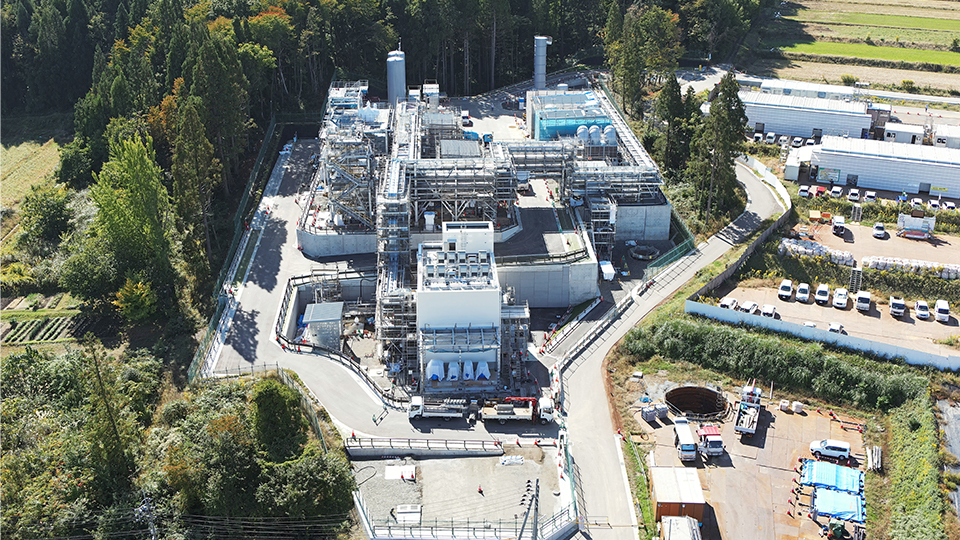
Industrial decarbonization advances with INPEX and Osaka Gas’s Nagaoka Methanation Demonstration
February 27, 2026Imagine if the natural gas pipes in your neighborhood could carry carbon-neutral fuel instead of fossil methane. Over in Japan, INPEX Corporation and Osaka Gas are doing exactly that with their Nagaoka Methanation Demonstration Project. This isn’t just a small pilot – it’s one of the world’s largest CO₂-to-methane conversion setups, and it could upend how we approach industrial decarbonization.
Transforming CO₂ into Carbon-Neutral Methane
At its heart, the facility uses a process called CO₂-methanation, which takes industrial exhaust and turns it back into good old synthetic methane – the same CH₄ you ignite on your stove. The demo plant in Nagaoka City, Niigata Prefecture, pulls in roughly 400 normal cubic meters of CO₂ every hour from INPEX’s Koshijihara Plant. To put that in perspective, it’s enough to fuel around 10,000 average households for a year, according to the team’s estimates.
Unlike traditional carbon storage — where CO₂ goes underground and stays locked away — this approach falls under Carbon Capture and Utilization (CCU). Instead of burying emissions, it recycles them into a drop-in fuel. By combining captured CO₂ with hydrogen in a methanation reactor, it churns out CH₄ that can slip seamlessly into existing gas lines. And since the system hooks directly into local hydrogen infrastructure, scaling up green H₂ feedstock won’t mean tearing everything apart. That’s a huge step for zero-emission technology because it lets us reuse what we have instead of building fresh pipelines from scratch.
A Seamless Fit for Japan’s Gas Networks
One of the slickest parts of this project is how the synthetic methane is blended and pushed straight into the grid. Osaka Gas takes the freshly minted CH₄ and pumps it through its city gas network, delivering a greener mix to homes and businesses without any new construction. This month marked the first real flow of the carbon-neutral fuel into a trunk line, proving the concept works at scale.
Picture the switch: operators flick a lever, and the system pulls from the methanation reactor rather than a fossil gas source. No pipe relining, no service disruptions, just a cleaner gas flame on your range. For utilities, that kind of plug-and-play flexibility can be a game-changer — especially when they’re under pressure to expand sustainable energy options without ballooning costs or timelines.
Government Backing and Industry Collaboration
Backing this effort is Japan’s New Energy and Industrial Technology Development Organization (NEDO), which kicked in a subsidy because it sees methanation as a key player in the country’s energy shift. Last June, Chiyoda Corporation signed on under an EPC agreement to design and build the plant, and remarkably, they wrapped up trial runs months ahead of schedule. When government support, corporate know-how, and cutting-edge engineering collide, big projects like this can move faster than you’d expect.
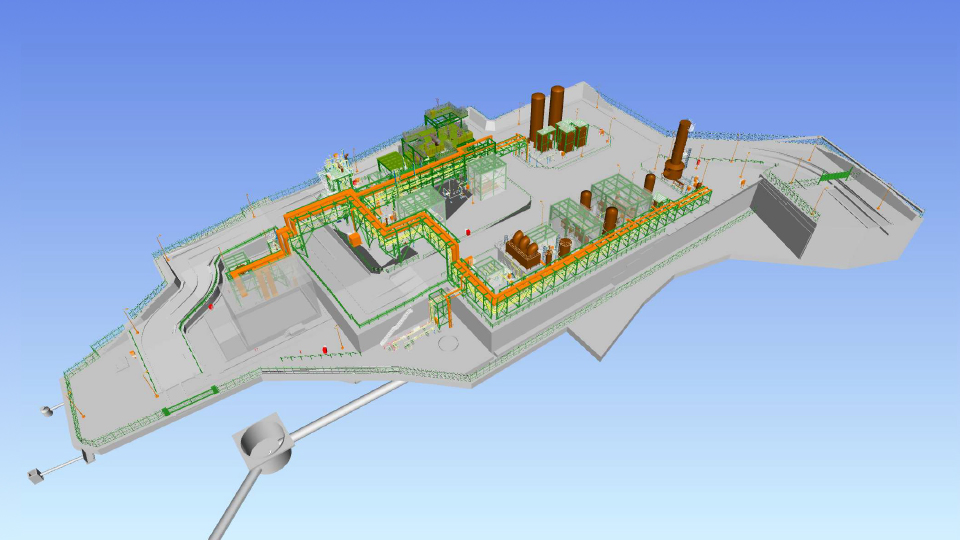
It’s not just a lone innovator tinkering in a lab — it’s heavyweight players pooling resources to push a technology that’s been brewing in R&D circles for years. This kind of teamwork underscores how large-scale industrial decarbonization breakthroughs often hinge on public-private partnerships. And in this case, it looks like the formula is paying off.
Why This Matters for Japan’s Energy Transition
Japan’s juggling act is familiar: a heavy reliance on natural gas for power and heating, an aggressive net-zero-by-2050 target, and limited room to build new energy infrastructure. Methanation offers a way to keep using the 500,000+ kilometers of existing city gas mains while swapping out fossil-derived CH₄ for a carbon-neutral version. It’s like upgrading your car’s engine instead of buying a whole new model.
For anyone tracking zero-emission technology trends, this project stands out because it’s about more than slashing emissions at one site. The concept is ripe for replication at other industrial hubs that generate a steady stream of CO₂. If you can hook a methanation plant to an ammonia factory, steel mill, or refinery, you’re unlocking a potential pathway to curb emissions across multiple sectors.
Looking Ahead: Challenges and Next Steps
No doubt, cost remains the big hurdle. Synthetic methane has to beat cheap LNG on price, which in turn depends on low-carbon hydrogen production costs. Right now, green H₂ still carries a premium, so scaling up electrolyzers or tapping into other renewable-driven hydrogen pathways will be crucial for the economics to pencil out.
Then there’s feedstock. The Koshijihara Plant is supplying a steady CO₂ flow for Nagaoka, but rolling this out nationwide means lining up emissions sources across industries. And let’s not forget policy: Japan’s Clean Gas Certificate System and carbon credit frameworks will need tweaks to accommodate a flood of synthetic methane before it can become a mainstream participant in the market.
Final Thoughts
The Nagaoka Methanation Demonstration Project isn’t a side hustle — it’s a flagship experiment in how established gas networks can pivot toward sustainable energy. By transforming waste CO₂ into a ready-to-use, carbon-neutral fuel, INPEX and Osaka Gas are laying down a blueprint that other regions can follow. We’ll be keeping a close eye on performance data later this year, because if the results hold, this could be the spark that ignites a global shift in how we use our old natural gas systems to deliver clean, zero-emission technology.
 With over 15 years of reporting hydrogen news, we are your premier source for the latest updates and insights in hydrogen and renewable energy.