
Iowa Lawmakers Clear the Path for Geologic Hydrogen Exploration
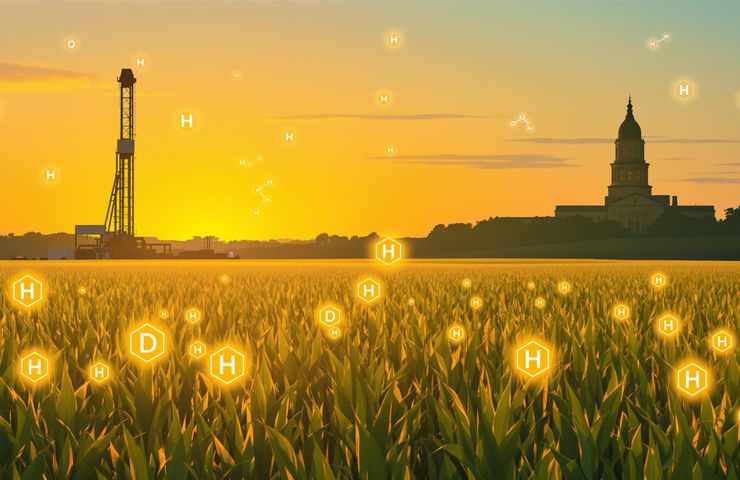
February 23, 2026Big splash in Midwest energy policy: Iowa lawmakers are shaking up the status quo by amending state oil and gas statutes to explicitly include naturally occurring hydrogen under the definition of “gas.” This tweak brings much-needed clarity for companies eager to dive into geologic hydrogen exploration—a potentially low-cost, low-emissions fuel bubbling away in Iowa’s iron-rich rock layers.
Background: Iowa’s Energy Leadership and Geologic Potential
Iowa’s reputation has long rested on cornfields and ethanol, backed by some of the country’s biggest wind farms. Now, the forward-looking Iowa Energy Plan is adding geology to the mix. Deep underground, a process known as serpentinization—where water meets iron-rich minerals—slowly creates hydrogen over millennia. Recent USGS surveys hint that certain sedimentary basins could be hiding pockets big enough to explore. No commercial finds yet, but the science says it’s worth drilling. If these pockets prove commercially viable, they could complement Iowa’s existing strengths in wind and biofuels, carving out a new niche in the clean energy sector. It also marks a significant chapter in clean energy exploration, potentially setting the stage for similar efforts beyond Iowa’s borders.
Regulatory Clarity: Amending Oil and Gas Statutes
Until now, hydrogen pioneers faced a patchwork of questions about who to call for permits. By broadening the definition of “gas” in Iowa’s oil and gas statutes, the Iowa Legislature and the Iowa Department of Natural Resources (DNR) have flattened that hurdle. The DNR will manage permitting under the same framework it uses for oil, gas and mineral projects. In effect, it means companies can use the same permitting toolbox they’re familiar with, rather than waiting on brand-new hydrogen rules that could take years to draft. This step is a real milestone in clear hydrogen regulations statewide, giving firms confidence to push ahead.
How Geologic Hydrogen Works
Here’s the catch: groundwater slipping into cracks reacts with iron-silicate minerals, ignites serpentinization, and kicks hydrogen molecules loose—the secret sauce behind these stores. Firms scope out promising zones with seismic imaging and well logging, then drill test holes to size up the gas. It’s a bit like tapping into a hidden well that Mother Nature has been slowly filling for eons. If these underground reservoirs prove rich enough, they could undercut traditional steam-methane reformers and electrolyzers by cutting both costs and carbon emissions.
Implications for Industry and Economy
Early movers like Koloma Energy are already claiming acreage in the heartland. We’re talking seismic crews, drill rigs and environmental-monitoring teams rolling in—plus all the spin-off jobs that follow. Clear hydrogen regulations tend to unlock investor wallets, so expect capital and supply chains to gear up fast. Local universities and research firms might also jump on board, turning field data into smarter drilling and evaluation techniques. If Iowa nails this, it could emerge as a U.S. hot spot for geologic hydrogen, right alongside its wind leadership. And imagine—homegrown, low-emission hydrogen powering fertilizer plants, steel mills or even fleets of fuel-cell trucks.
Balancing Opportunity with Caution
Of course, drilling is no risk-free hobby. We’re talking potential groundwater disturbance, surface impacts and methane leaks if things aren’t managed properly. Thankfully, the DNR’s existing well-integrity standards and environmental review processes step in here. Industry experts emphasize that strict monitoring and robust emergency protocols will be key to avoiding any hiccups. With Minnesota and others already forging similar paths, Iowa’s move could even steer upcoming federal guidance on subsurface hydrogen.
Looking Ahead
This tweak in the Iowa energy policy playbook makes one thing clear: the state is serious about leading the energy transition. Commercial geologic hydrogen is still in its early chapters, but this legal groundwork will speed up pilot projects and detailed surveys. Companies will watch test wells like hawks—hit the right vein, and geologic hydrogen might stand shoulder to shoulder with corn ethanol and wind in Iowa’s clean-energy lineup. And with other states watching, Iowa’s playbook could set off a wave of regulatory tweaks in places thirsty for low-carbon hydrogen. Bottom line: by cleaning up the rules, Iowa has laid the stepping stones for a fresh chapter in sustainable fuel production—one that could ripple across regional energy markets and inspire similar moves nationwide.


 With over 15 years of reporting hydrogen news, we are your premier source for the latest updates and insights in hydrogen and renewable energy.