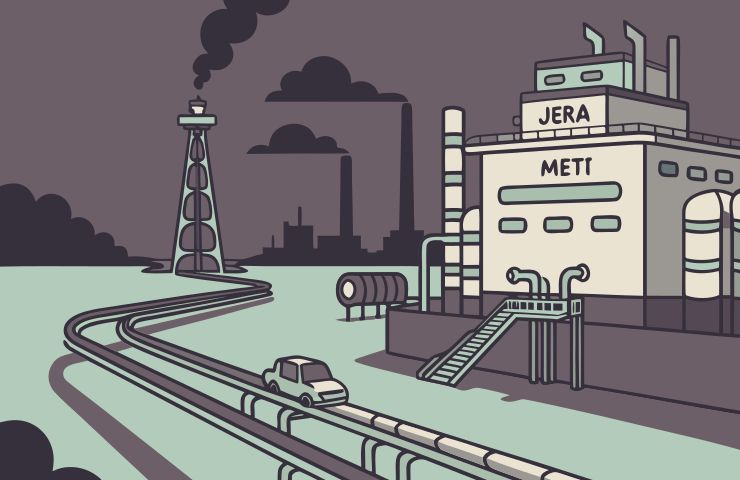
JERA Secures METI Certification for Low-Carbon Hydrogen Supply
April 3, 2026This month, JERA Co., Inc. snagged a big win: it just earned METI certification to supply low-carbon hydrogen and its derivatives under Japan’s Support for the Development of Hubs scheme. If you’ve been following clean energy news, you’ll know JERA was born in 2015 when TEPCO Fuel & Power teamed up with Chubu Electric Power. Fast forward to today, and they’re powering roughly one-third of Japan’s electricity demand—while sitting pretty as one of the globe’s top LNG buyers.
With this fresh METI certification and a Price Gap subsidy already in the bag since last December, JERA’s eyes are now set on importing low-carbon ammonia from the US-based Blue Point Project. Their game plan? Co-fire that ammonia at the 1-GW Hekinan Thermal Power Station and then spread the love, supplying nearby industries across the Chubu region. It’s all part of JERA’s bold Net-Zero CO₂ Emissions 2050 ambition and dovetails neatly with Japan’s Hydrogen Society Promotion Act. And yes, that certification also seals the deal on JERA’s push for more resilience and productivity—building on past shout-outs for stellar emergency response and top-notch workforce health measures.
Building a Hydrogen-Ammonia Supply Chain
Here’s where things get really interesting. The roadmap is straightforward, yet powerful: turn natural gas into hydrogen using carbon capture and storage (CCS), crank out ammonia, and ship it across the Pacific to Japan. Over at Louisiana’s Blue Point Project, they reform natural gas into hydrogen, trap about 90% of the CO₂ underground, then synthesize it into low-carbon ammonia. Big ocean-crossing vessels—thanks to NYK Line and Mitsui O.S.K. Lines—haul that ammonia over to the Port of Hekinan.
Once it hits land, JERA will have shared infrastructure ready to roll: storage tanks, truck-loading docks, the works. Power plants and nearby factories can either burn it directly in their boilers or road-haul it to retrofit burners and furnaces. Better still, this hub setup is designed to handle whatever comes next—maybe green ammonia from Japanese electrolyzers down the line—so they can reuse the main gear and learn on the go. Standardizing these hub functions means JERA can scale imports quickly and show other ports how it’s done. In short, it’s made in Japan, made for Japan’s future.
Solving Real-World Problems in the Chubu Region
The Chubu industrial belt needs reliable, cost-effective power. Coal might have been the go-to, but its carbon footprint is a deal breaker. By co-firing up to 20% low-carbon ammonia at that 1-GW Hekinan unit, JERA expects to chop CO₂ emissions by roughly 10–15% per megawatt-hour. That switch also cushions them against LNG hiccups—when gas prices go nuts, ammonia keeps the lights on without breaking the bank.
Local big names, from Toyota Industries to AGC, get a much-needed cleaner fuel option, too. It’s about energy independence: communities can breathe easier knowing they’ve got an alternative fuel backup, even when global markets are throwing tantrums. And yes, this blueprint tackles grid stability, pollution, and fuel security all in one go. Cleaner air for neighborhoods around the plant? That’s just the cherry on top.
Supporting Japan’s Net-Zero 2050 Ambitions
Japan’s Hydrogen Society Promotion Act isn’t just a fancy slogan—it’s the backbone for subsidies on low-carbon hydrogen and ammonia. You’ve got the Price Gap scheme offsetting the extra costs, plus the Hub Development Support scheme chipping in for shared infrastructure. Add it all up, and you’re looking at roughly ¥3 trillion pumped into kickstarting the hydrogen economy.
JERA’s dual-certified approach shows how stable policy makes for smoother private investments and long-range planning. They didn’t just score one subsidy—they locked down both price‐gap and hub support. That sends a clear signal: you can hit the sweet spot between cost, emissions, and reliability. And while green hydrogen through electrolysis is still finding its footing, blue hydrogen with CCS is a reliable stopgap. As Japan boosts renewable power and electrolyzer capacity, green ammonia can slot right into these hubs. It’s a two-pronged strategy that aligns with global trends—maxing out today’s tech while gearing up for tomorrow’s breakthroughs.
Local Economic and Environmental Impacts
Building out this hub is a win for jobs—think engineers, construction crews, logistics pros. Japanese firms will be in the mix, supplying storage tanks, pipelines, safety gear, and trucking services to haul that ammonia. That kind of activity gives a boost to dozens of small and medium enterprises around the region.
On the environmental side, co-firing ammonia doesn’t just slash CO₂. It cuts SOx and NOx, too. Early trials at Hekinan are already showing lower particulate emissions, which is music to the ears of folks living nearby. Local manufacturers—NGK Insulators, Aisin Fukui, you name it—are getting a steady stream of low-carbon hydrogen feedstock, speeding up their own decarbonization efforts. Plus, by leaning on Chubu’s manufacturing chops, JERA keeps critical know-how and technical skills right here in Japan.
Challenges and Looking Ahead
It’s not all smooth sailing. Hauling ammonia across oceans comes with weather delays, port congestion, and the usual geopolitical curveballs. Then there’s the fact that ammonia needs careful handling—it’s toxic, so strict safety training and protocols are a must. Scaling from little pilot blends to a full 20% mix requires boiler tweaks and close performance checks. And of course, capturing CO₂ at high rates and weaving green hydrogen into the mix will take time and investment.
Still, this METI certification makes it clear: the low-carbon ammonia model works right now. With solid policy support and industry buy-in, we could see similar hubs popping up at other Japanese ports, cutting emissions without dimming the lights. JERA plans to share its lessons across the country, helping other regions map out their own hub strategies.
As we race toward a zero-carbon future, projects that blend today’s proven solutions with tomorrow’s big ideas are priceless. JERA’s METI certification locks in backing for a low-carbon hydrogen and ammonia hub serving power and industry in Chubu. By mixing policy incentives, global partnerships, and local expertise, this initiative shows that we can curb emissions without hitting pause on economic growth. It’s a blueprint we can all build on together.
 With over 15 years of reporting hydrogen news, we are your premier source for the latest updates and insights in hydrogen and renewable energy.