Kapuni Green Hydrogen Project Reaches Financial Close
February 10, 2026From wind to molecule: a new chapter in Kapuni
Ever gazed out at a line of wind turbines and wondered if they could do more than just spin? Well, in South Taranaki’s Kapuni, Hiringa Energy and its partners are turning that “what if” into reality. They’ve just sealed the deal on New Zealand’s first big integrated wind-to-hydrogen production hub. Picture a 26 MW wind farm feeding a 5 MW electrolyser that can churn out a couple of tonnes of green hydrogen every day—while also pumping enough clean juice into the grid to light up around 24,000 homes at peak times. For a region steeped in oil and gas, it’s a landmark moment on the road to industrial decarbonization.
Who’s in the mix?
This isn’t a one-company show. You’ve got Ballance Agri-Nutrients—the fertiliser folks; Todd Corporation—big on energy and infrastructure; and Parininihi ki Waitōtara (PKW)—champions of Māori-led land management. They’ve paired up with Hiringa Energy and the Ministry of Business, Innovation and Employment (MBIE), which kicked things off with a NZ$19.9 million grant from the Provincial Growth Fund back in 2020. Financially, Westpac NZ stepped in as the sole bank, offering non-recourse project finance that fits neatly with its NZ$7.6 billion sustainability pledge. Top it off with a 20-year service deal with Denmark’s Vestas—four V162-6.4 MW giants—and you’ve got a dream team driving New Zealand’s energy shift.
How it clicks together
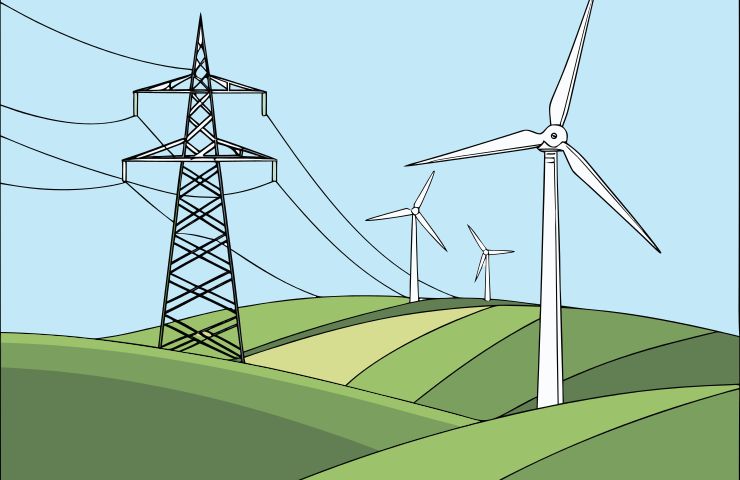
Think of it like a baton pass in a relay. Four coastal-breeze-catching Vestas V162-6.4 MW EnVentus turbines—each a lofty 206 metres—convert gusts into up to 26 MW of clean electricity. That juice goes straight to the 5 MW electrolyser, where electrolysis splits water into hydrogen and oxygen. The hydrogen then either fuels Hiringa’s refuelling network or hops over to Ballance’s Kapuni plant, cutting the carbon footprint of ammonia and fertiliser production. Wind spins, water splits, and industry runs—simple as that.
Patience pays off
This isn’t a spur-of-the-moment brainstorm. It’s taken more than five years of wrestling with Resource Management Act consents and appeals to clear the final regulatory hurdle—a rite of passage for big infrastructure in New Zealand. Now, with funding secured just this month, the hammers are swinging and pile-driving kicks off in the coming weeks.
Policy and precedent
MBIE’s backing via the Provincial Growth Fund underscores Wellington’s game plan: spur regional industrial decarbonization and create jobs beyond the major cities. By ploughing cash into South Taranaki, the government signalled it’s serious about balancing its green ambitions with traditional sectors. Meanwhile, Westpac’s non-recourse lending shows how banks can back hydrogen infrastructure without betting the farm.
Regional ripple effects
In a region once defined by oil and gas, Kapuni’s project is stirring up fresh momentum. Think roughly 50 construction roles and about seven full-time positions once things settle. As those renewable electrons flow into the local network, homes and businesses should see cleaner power pricing and stronger energy resilience. And with Ballance’s plant swapping some natural gas for hydrogen, they’ll shave CO₂ emissions off fertiliser production—turning Taranaki into a low-carbon agriculture showcase.
Why it resonates nationally
So why should Kapuni matter to the rest of New Zealand? Because it’s a real-world demonstration of how wind and green hydrogen can team up to decarbonise heavy transport—a big focus for Hiringa Energy—and other hard-to-abate industries. With Asia-Pacific companies eyeing hydrogen imports, our wind-to-hydrogen expertise could become a sought-after export. Kapuni isn’t just a local pilot; it’s a blueprint for a national hydrogen economy.
Crunching the numbers
The total investment here is about NZ$112.3 million, split between equity and debt. When it’s all firing on all cylinders, those four turbines plus the electrolyser will churn out 26 MW of renewable power and up to 2 tonnes of hydrogen every day. That green hydrogen then displaces fossil fuels in heavy-duty fleets and industrial feedstocks, slicing carbon emissions across several sectors.
Stitching it into New Zealand’s energy fabric
On a macro level, Kapuni plugs its green electrons straight into the national grid—up to 26 MW of firm renewable supply. By marrying hydrogen production to wind output, it also smooths out the peaks and troughs that sometimes challenge our hydro-centric system. It’s like adding a shock absorber to the grid, turning excess wind into storable, ready-to-use molecules.
Looking ahead
If you’ve got an eye on the hydrogen economy’s next chapter, Kapuni deserves a bookmark. It lays down a replicable template for wind-powered hydrogen—perfect for other regions brimming with renewable potential, from remote coasts to offshore wind belts. Right here at Kapuni, nature’s basic elements are teaming up to redefine what “fuel” can really mean.

 With over 15 years of reporting hydrogen news, we are your premier source for the latest updates and insights in hydrogen and renewable energy.