Kärnten Unveils Austria’s First Hydrogen Refueling Station to Power 35 Fuel Cell Buses
Carinthia has launched Austria’s first hydrogen refueling station in Villach, deploying 35 fuel cell buses fueled by Kelag’s 2 MW electrolyzer, replacing 700,000 L of diesel annually.
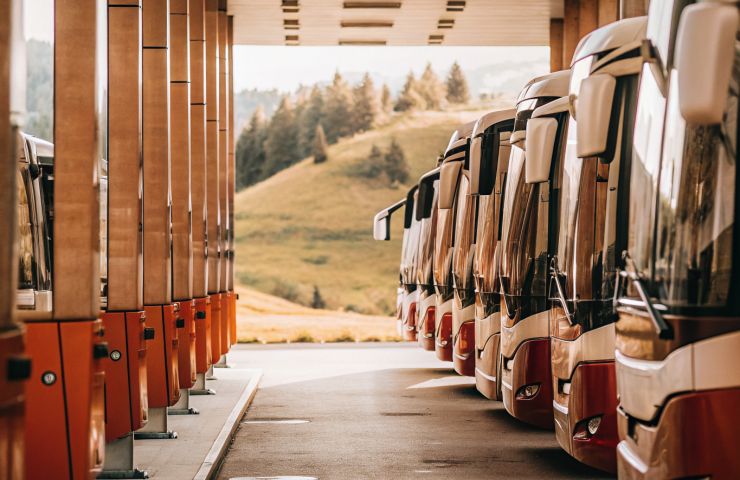
This month, Land Kärnten officially launched Austria’s very first hydrogen refueling station dedicated solely to buses, and introduced a fleet of 35 hydrogen fuel cell buses. It’s not just a flashy move; it’s a significant step towards making green hydrogen a part of everyday transportation. But hold your applause for a minute—can this rural initiative really scale up, or will it end up being just another interesting story about zero-emission tech?
Regional Backdrop
Carinthia, known more for its stunning lakes and hydropower dams than for bustling metropolises, boasts a long history with renewable energy—going all the way back to the 1920s when hydropower first illuminated the valley. With a population shy of 600,000, the province is aiming to become Europe’s next big hub for hydrogen mobility. Villach, Carinthia’s transport heart, is now home to a depot where these 35 hydrogen-powered buses will navigate the beautiful Drau Valley and around Faaker See and Ossiacher See, tackling the hefty demands of mountainous terrain while exceeding the daily range of regular battery electric buses.
Deployment at Scale
The fleet is operated by ÖBB Postbus, covering rural routes that add up to about two million kilometers each year. These buses, likely based on the Solaris’s Urbino platform, can travel roughly 400 kilometers on a single tank and refuel in under 15 minutes at 700-bar pressure. And get this—this switch could help replace about 700,000 liters of diesel each year! The green hydrogen fueling tech was brought to life by Gutmann GmbH in partnership with Wolftank, while the brains behind technical validation and ongoing monitoring come from HyCentA Research GmbH. They’ve put together a smooth operating chain: production, storage, and transport, all kicking off right in Carinthia.
What It Means
This rollout is a clear demonstration of how a rural public fleet can swap diesel for hydrogen vehicles. It’s proof that heavy-duty, zero-emission transportation can extend well beyond urban centers. If the numbers stack up, this model might just work its magic in other Alpine areas—think Tyrol or Slovenia’s Karst region—where charging options can be hit or miss, and quick refuels are critical. More than anything, it shows that with enough political will and funding, green hydrogen can evolve beyond the confines of a lab experiment.
Green Hydrogen Production
The hydrogen fueling this fleet comes directly from Kelag’s 2 MW PEM electrolyzer in Arnoldstein. This facility runs primarily on hydroelectric power, with a bit coming from waste-to-energy sources. It’s capable of producing up to 700 kg of hydrogen daily—plenty to keep the bus fleet running with even some left over for other uses. Over an entire year, that amounts to around 140 tonnes of hydrogen. While it sounds great, some skeptics will highlight the efficiency losses in the process: from generation to compression and transportation, you might end up retaining less than 50 percent of that renewable energy. You have to wonder, is this the smartest way to utilize precious green energy?
Technical Spotlight: Fuel Cell Buses
These aren’t your granddad’s buses. Under the hood, there’s a PEM fuel cell stack that combines hydrogen with air, producing only water vapor and electricity. A small battery buffer manages peak loads and employs regenerative braking—essentially making it a hybrid setup that invites zero-emission benefits. The roof-mounted 700-bar tanks allow for enough hydrogen to travel 400 kilometers. That puts them right on par with many diesel options, but without the nasty tailpipe emissions. And while refueling them takes less than 15 minutes, which is a definite plus—especially in freezing cold regions—fuel cells do come with a hefty price tag. Each stack can set you back tens of thousands, and because mass manufacturing is still catching up, costs are pretty high.
Policy Momentum
This whole initiative is riding the coattails of a regional hydrogen strategy that’s been brewing since around 2021. Land Kärnten has pumped money into building electrolysis plants and scoping out bus procurement, dubbing it Austria’s most ambitious mobility project yet. Plus, it ties into the broader EU initiative of “Hydrogen Valleys,” designed to foster collaboration among producers, users, and research institutes. The pilot fleet has been in operation since 2022 to smooth out any issues, but the big launch only hit the ground once federal and EU funding finally came through. This isn’t just a tech project; it’s a play in the political arena as well. Other provinces might just follow suit if they catch wind of those funding opportunities.
Partnership Dynamics
No one’s pulling this off alone. Kelag pumps out the hydrogen, ÖBB Postbus handles day-to-day operations, Gutmann built the station, HyCentA manages R&D validation, and Verkehrsverbund Kärnten connects all the routes with ticketing. It’s a perfect example of public-private coordination that’s being carefully managed by regional authorities. But there’s a catch: bureaucracy. With six stakeholders involved, decision-making can sometimes drag on. If they can keep the pace up, though, this collaboration might just become a model for rural hydrogen infrastructure elsewhere in Europe. That’s assuming the finances don’t start to wobble once subsidies start to fade.
Caveats and Challenges
Let’s be real: hydrogen isn’t a silver bullet. The upfront costs are hefty compared to a similar diesel or battery setup. Electrolyzers come with hefty price tags, fuel cell stacks are not exactly cheap or easy to come by, and adding a compression and refueling station can slap on about €3 million in hardware costs. On top of that, while Kelag’s plant utilizes renewable sources, grid issues can force them to source extra power from the open market, potentially from non-zero-emission resources. And what happens if maintenance issues crop up? Last year’s cancellation of Vienna’s H2 bus still looms large over any new projects. If a few stations go offline, those fleets could come to a standstill. Plus, when you think about scaling up—today’s 35 buses prove the concept, but if you want to double or triple that, where’s the infrastructure going to come from? Funding often lags behind the hype. In short, this is no simple experiment; it’s a massive operational mountain wrapped in green promises.
Forward Look
What’s next really depends on costs and the grit of the operators. If the Carinthian model can handle a year of real-world schedules, it could inspire similar setups in comparable regions. As electrolyzers and hydrogen infrastructure improve with time, we might see costs drop by 20-30 percent over the next five years. But if subsidies dry up or technical issues become a headache, we may find ourselves looking at this as a trophy project rather than a game-changing model. Regardless, one thing’s for certain: rural public transport has finally jumped into the hydrogen scene, and it’s high time the industry starts paying attention, not just offering applause.