Liquid Hydrogen Hub Powers Incheon International Airport’s Bus Fleet
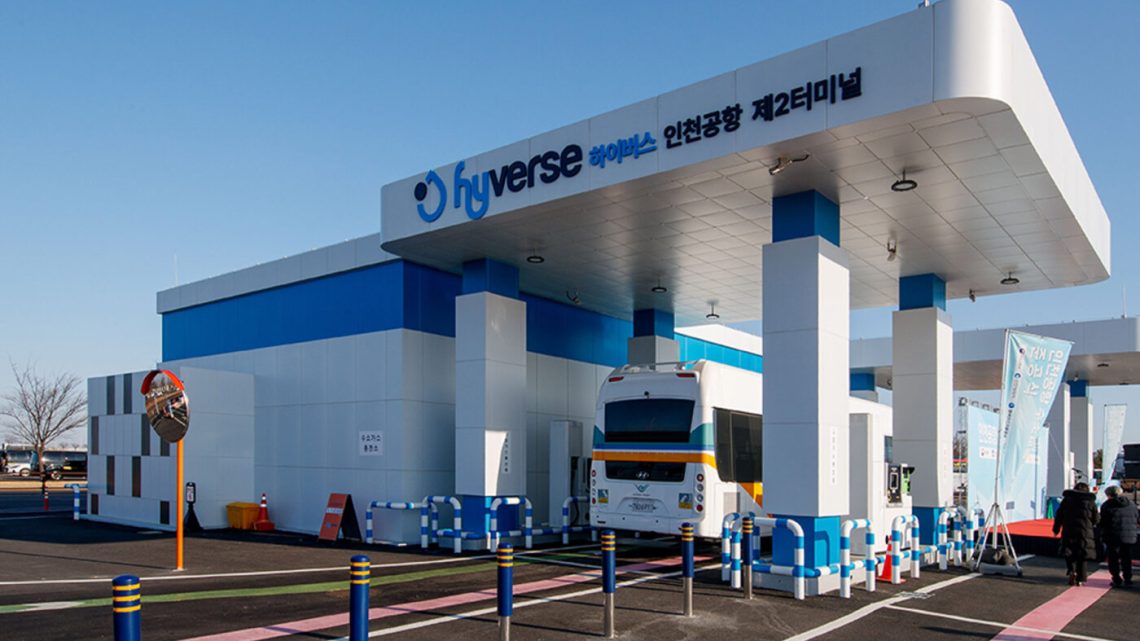
February 3, 2026Picture a row of sleek shuttle buses parked under a bright Incheon sky, each one humming along on nothing but liquid hydrogen. Sounds like something out of a sci-fi flick, right? But it’s already reality at Incheon International Airport. This month, Terminal 2’s bus depot unveiled the world’s first liquid hydrogen hub for ground transport. Capable of pumping 320 kg of hydrogen every hour—enough to refill up to 240 buses a day—this isn’t just a refueling spot; it’s a statement on how hydrogen mobility can power the future of clean transport.
I cover sustainable tech, and I’ve seen plenty of pilot schemes. Yet nothing matches this scale or ambition. It’s not hidden away in an off-site lab—it’s smack in the middle of one of Asia’s busiest airports, where roughly 172,000 vehicles buzz around daily. Whether you’re dragging your suitcase off a long-haul flight or picking up a friend at arrivals, chances are you’ll spot a fleet of fuel cell buses cruising by. It’s a moment worth pausing for.
Setting the stage for a carbon-neutral gateway
South Korea has been doubling down on hydrogen since 2023, rolling out hundreds of fuel-cell shuttles and knitting together a nationwide network of stations. Incheon alone ordered about 700 Hyundai fuel cell buses, underscoring its push for Incheon Airport hydrogen. Backing that effort, the Incheon Metropolitan Government chipped in roughly 3 billion KRW, all part of the city’s broader play to slash emissions and champion carbon neutrality. When it opened in 2001, it was Asia’s newest gateway; today, its operator, Incheon International Airport Corporation, manages some of the world’s busiest runways and terminals.
Being on an offshore island has its logistical headaches, but that isolation also makes Incheon a prime test bed. The station sits on a 2,771 sqm patch at Terminal 2’s bus depot, tapping into SK’s nearby production plant—churning out up to 90 tons of LH2 daily—so deliveries never skip a beat. It’s the 16th outpost in South Korea’s rapidly growing LH2 network and only the third at an airport, setting a pretty high international bar.
Could this hub reshape airport transport?
When it comes to shaking up airport ground services, public and private teams pulled together on this three-year, 14.3 billion KRW project. Alongside the city and the airport operator, Korea Gas Technology Corporation lent its engineering smarts, while SK Plug Hyverse—a branch of SK Innovation E&S—took the helm on design and operation. The result? Buses top off their tanks in under 30 minutes and then cruise more than 600 km, covering multiple shifts without breaking a sweat.
How does liquid hydrogen refueling work?
Unlike compressed gas, liquid hydrogen (LH2) is chilled to a bone-chilling –253 °C, slashing its volume by about 800 times. That means you can pack in way more fuel per tank and move it around without massive high-pressure gear. When a bus pulls in, the station pumps LH2 straight into insulated cryogenic tanks, with tight temperature control to keep things safe and snappy—even during peak rush. Onboard, the hydrogen feeds the fuel cell stack, mating with oxygen to crank out electricity. The only thing that comes out is water vapor: no CO₂, no soot—just a quiet, smooth ride. At a busy airport, that translates to cleaner air in terminals, fewer greenhouse gases overhead, and a much friendlier footprint. Each bus can dodge around 56 tons of CO₂ a year compared to its diesel twin.
Who’s behind the project?
This mobility hub is a textbook public-private mashup. The Incheon Metropolitan Government laid down the initial funding and cut through red tape. Incheon International Airport Corporation handed over the land and steered integration into a high-traffic environment. Korea Gas Technology Corporation sorted technical consulting and system integration, while SK Plug Hyverse put up most of the construction cash, tapping into SK’s existing liquid hydrogen network. At the top, SK Innovation E&S—the parent of Hyverse—runs the world’s largest liquid hydrogen plant, cranking out up to 30,000 tons of LH2 annually. By knitting production and refueling together, they aim to drive down costs and supercharge hydrogen mobility across South Korea.
What are the benefits?
- Environmental gains: A fleet of 240 fuel cell buses could slice over 13,000 tons of CO₂ each year.
- Operational resilience: Quick top-ups and long ranges keep shuttle services humming, even during rush hour.
- Economic boost: That 14.3 billion KRW investment fuels local jobs, expertise, and a ripple effect throughout downstream hydrogen markets.
- Scalable blueprint: This liquid hydrogen hub is a ready-made template for other major transport nodes aiming for carbon neutrality.
Lessons for the global hydrogen market
Incheon’s journey shows how to build real-world chops around LH2—a critical step for any big hydrogen project. What happens here doesn’t stay here: this airport-based liquid hydrogen hub offers a blueprint for major transit centers worldwide. Key takeaways include:
- Public-private teamwork: Blended government funding with industry R&D slashes time-to-deployment.
- Integrated supply chains: Co-locating production plants with refueling stations cuts logistics headaches and ensures a steady supply.
- Safety first: Handling LH2 at –253 °C demands rigorous protocols and trained staff, setting a high bar for operations.
- Cost-benefit calculus: Airports must weigh upfront investments against long-term savings in emissions and fuel.
- High visibility: Airports are perfect showcases—thousands of daily travelers get to see Incheon Airport hydrogen in action, driving home the promise of hydrogen mobility.
For airports around the world, the message is clear: hydrogen mobility is no longer an experiment. With real-world data from Incheon’s hub, stakeholders can make informed calls on similar investments, pushing air travel ground operations toward zero-emission transport. Whether you’re a policy-maker, industry veteran, or curious passenger, this liquid hydrogen hub proves that collaboration and innovation can spark real progress against climate change. Next time you hop on a shuttle at Terminal 2, take a moment to appreciate what you’re riding on—you’re witnessing the future of sustainable aviation support, one LH2 molecule at a time.
 With over 15 years of reporting hydrogen news, we are your premier source for the latest updates and insights in hydrogen and renewable energy.