Low-Carbon Hydrogen and e-SAF Initiative Launches in Fos-sur-Mer
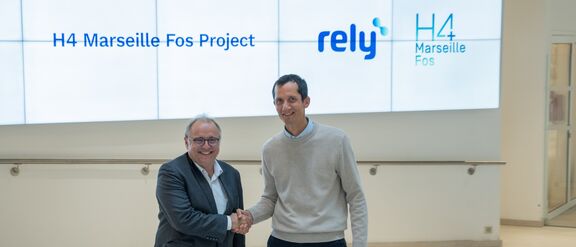
February 23, 2026This month, the Port of Marseille Fos and H4 Marseille Fos sealed a deal to set aside 46.6 hectares at Fos-sur-Mer’s Central Mole for a game-changing low-carbon hydrogen and e-SAF project. It’s fully aligned with France’s refreshed hydrogen roadmap and the EU’s ReFuelEU Aviation rules. The plan? Three 300 MW electrolysis units pumping out roughly 42,000 tonnes of renewable hydrogen each year, feeding a methanol-to-jet system that can churn out up to 75,000 tonnes of synthetic aviation fuel annually. If all goes well, it could shave off about 240,000 tonnes of CO₂ per year and spark 165 new jobs before 2030 rolls around.
A Simple but Powerful Tech at Work
Here’s the gist: three 300 MW electrolyzers—900 MW total—will turn water into around 42,000 tonnes of renewable hydrogen per year, powered by local solar, wind or other green sources. That hydrogen then teams up with captured CO₂ to make methanol, which feeds into a methanol-to-jet synthesis to deliver up to 75,000 tonnes of e-SAF every year. It’s a slick, closed-loop setup that slashes carbon emissions by roughly 84% compared to standard kerosene.
Solving Real-World Problems for Aviation and Industry
Aviation is a tough nut to crack—planes can’t exactly charge at the gate. By rolling out up to 75,000 tonnes of synthetic aviation fuel annually, airlines get a drop-in solution that works with their existing engines and pipelines. On the flip side, local industrial players won’t have to wait years for new distribution networks—they can start blending green hydrogen into their processes the moment those electrolyzers fire up. It’s a practical one-two punch for decarbonizing two of the highest-impact sectors.
Made in France, Made for Europe’s Future
This initiative is the epitome of “made in France, made for Europe’s future.” H2V and Hy2gen bring their hydrogen development expertise, while engineering whiz Rely has kicked off early studies for both the electrolysis and methanol-to-jet units. By tapping into French talent, supply chains and know-how, the project moves faster and more affordably than if parts were shipped in from all over the globe.
Tapping into Regional Strengths
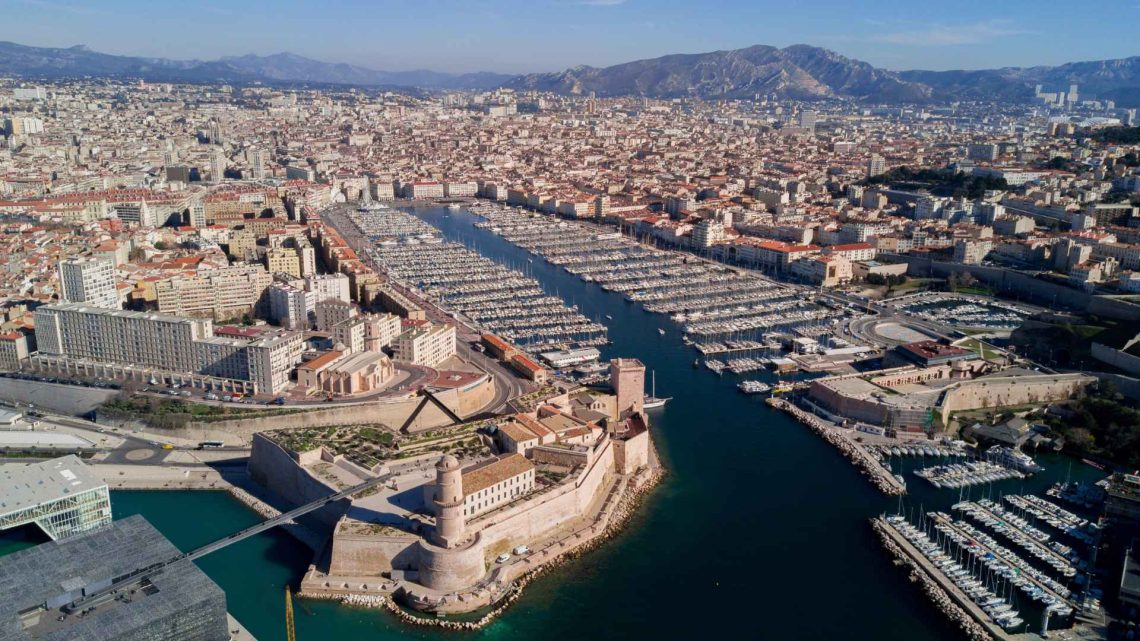
Fos-sur-Mer has been an industrial powerhouse since the 1960s, and now it’s pivoting toward low-carbon energy. The Central Mole location offers direct Mediterranean access for feedstocks plus pipeline links across Europe. With sunshine and sea breezes in abundance, you’ve got an ideal setup to power those electrolyzers with homegrown renewables. Best of all, existing port infrastructure and skilled labor mean this isn’t greenfield—it’s a smart repurposing of proven assets.
Environmental and Economic Boost
Once the plant’s humming, the joint venture expects to cut about 240,000 tonnes of CO₂ a year—enough to make a noticeable dent in regional emissions. At the same time, a €1.5 billion investment will ripple through local supply chains, creating 165 direct onsite jobs and many more indirect roles. Suddenly, engineering, construction and operations careers are sprouting where heavy carbon once dominated, helping to reindustrialize the area more sustainably.
Why This Matters Right Now
We’re at a tipping point for sustainable aviation and industrial fuels. The EU’s ReFuelEU Aviation rules call for at least 10% e-SAF blending by 2040, and France’s 2025 hydrogen strategy demands significant green H₂ rollouts. This project slots perfectly into both, proving these targets aren’t just pie-in-the-sky. It also sends a clear signal: low-carbon hydrogen and synthetic aviation fuel can scale at major ports—exactly where Europe needs them most.
Collaboration and Next Steps
Behind this scheme is a diverse lineup: H2V and Hy2gen co-lead the JV, with Rely on engineering, and partners like Technip Energies, Hy24 and VINCI Airports also pitching in. Right now, feasibility and front-end engineering design (FEED) work is underway, with a Final Investment Decision expected soon. Once they get the green light, you’ll see site prep and electrolyzer foundations spring up fast.
Offtake and Distribution
Early talks are heating up with offtake partners such as VINCI Airports, Marseille Provence Airport and regional carriers to lock in purchase agreements for that fresh e-SAF. When it’s ready, the synthetic aviation fuel can go straight into existing storage tanks and pipelines at the airport, sidestepping costly upgrades. There’s even chatter about extending pipelines to nearby Mediterranean hubs, knitting together a broader supply network across southern Europe. Scale like that gives airlines confidence and helps keep unit costs down, so green aviation fuel becomes a mainstream option.
Looking Ahead
By decade’s end, the goal is full commissioning. Once live, the plant will convert 126,000 tonnes of renewable hydrogen a year into e-SAF, offering airlines and industries a reliable, low-carbon fuel source. It’s a textbook example of industrial transition—blending legacy infrastructure with cutting-edge, low-carbon tech to build a cleaner, more competitive future for the whole region.

 With over 15 years of reporting hydrogen news, we are your premier source for the latest updates and insights in hydrogen and renewable energy.