
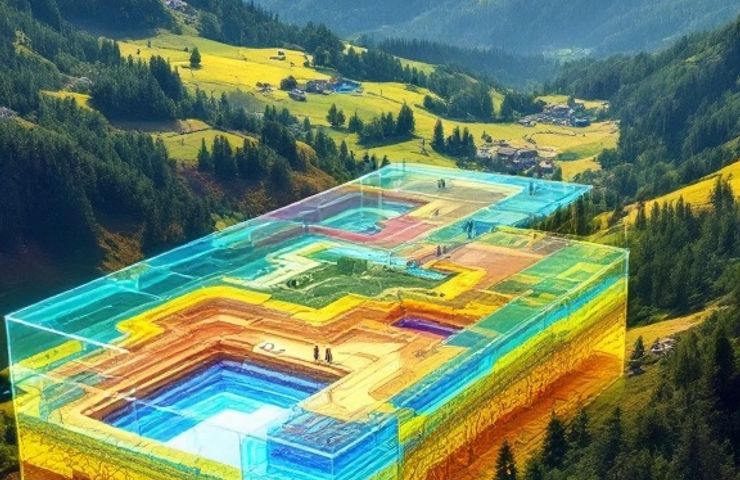
Mantle8 Embarks with five-year award on Natural Hydrogen Exploration in the Pyrenees
June 11, 2026Exciting News: Mantle8 Launches Hydrogeco Project
Big things are happening in the push for clean energy! This spring, the French government gave the green light to Mantle8 through its subsidiary G&OL SAS, granting them an exclusive five-year exploration permit called the Permis de Comminges. Spanning a whopping 739 square kilometers in the stunning foothills of the French Pyrenees, this initiative is all about paving the way for Hydrogeco—an innovative project aiming to map and tap into naturally occurring hydrogen hidden beneath the Earth’s surface. The main goals? They’re pretty straightforward: showcase how we can locate, visualize, and assess geologic hydrogen at a commercial scale, creating a brand-new low-carbon energy source that works alongside green hydrogen produced through electrolysis. Plus, they’ve got helium exploration rights as part of the deal, allowing for the extraction of helium that’s essential for medical imaging and making electronics.
At its core, this concept is as simple as it is powerful: we’re looking to harness hydrogen that the Earth has been producing for millions of years. By exploiting the natural tectonic and chemical processes deep down, the Hydrogeco project hopes to deliver a clean fuel source with minimal emissions and less dependence on energy-guzzling manufacturing processes.
High-Tech Solutions: Unveiling Resources with HOREX
The real magic behind Hydrogeco comes from HOREX, Mantle8’s cutting-edge multiphysics imaging platform. HOREX combines decades of geological data with real-time field measurements—using techniques like active and passive seismic, gravity mapping, magnetics, and surface gas analysis—to create four-dimensional subsurface models. By visualizing where hydrogen is generated, how it moves, and where it’s trapped, the technology helps narrow down exploration targets from vast areas to specific spots where drilling is most likely to hit the jackpot.
In practice, field teams use sensor arrays, like the advanced WiNG DFU-3C nodes, which pick up seismic waves traveling through different rock layers. These signals, alongside gravity maps and magnetic data, help map out variations in rock density and structure. Surface gas sampling also comes into play, detecting any hints of hydrogen seeping through. All of this information feeds into HOREX’s algorithms, which generate time-lapse 3D images showing not just where hydrogen is stored but how it flows within the subsurface. This approach significantly reduces exploration risks, lowers costs, and speeds up project timelines.
Making a Difference: The Real-World Benefits
The potential for natural hydrogen is pretty massive! Take heavy industries like steelmaking and refining, for example; on-site hydrogen production could slash carbon footprints without relying on pricey carbon capture tech or large electrolysis setups. Data centers and remote sites can count on reliable backup power thanks to hydrogen fuel cells, while transport operators could finally access a zero-emissions fuel for buses and trucks, especially in hilly or off-grid areas.
By diversifying how we supply hydrogen, Hydrogeco boosts energy security and price stability. Producing natural hydrogen doesn’t require electricity for reforming and, at the wellhead, it emits no direct CO₂—only water comes back up. This makes it a fantastic complement to the EU’s renewable hydrogen goals and a smart way to hedge against the volatility of fossil hydrogen. In mountain areas, small-scale hydrogen production could change local energy dynamics, replacing diesel generators and cutting down on pollution in valleys that tend to trap emissions.
French Innovation for a Greener Future
Hydrogeco isn’t just any old project; it’s a homegrown success story! Designed in Grenoble and rooted in France’s strong geoscience background, Mantle8 is using local expertise and repurposing seismic data from past oil and gas endeavors in the Pyrenean region. This approach minimizes environmental impact and makes the most of established workflows. Plus, we can expect to see sensor manufacturing and data-processing facilities popping up in nearby tech parks, creating new jobs for engineers, operators, and analysts.
This “Made in France, made for Europe’s future” philosophy aligns with broader industrial policies that push for homegrown innovation. Local universities and research centers are already getting involved with subsurface modeling, and training programs are popping up for specialized service companies to handle low-impact seismic lines and hydrogen-sensitive tech. All these factors are set to turn the region into a hub for natural hydrogen research and early-stage commercialization.
Environmental Concerns: Low-Impact Exploration
Hydrogeco places a top priority on minimizing its environmental footprint. They use state-of-the-art seismic surveys with flexible, low-impact sensors laid out on existing forestry roads and pastureland—no large-scale clearing operations needed! Ongoing soil and water testing keeps tabs on the local ecosystems, while regular communication with environmental groups helps shape their operational strategies.
When stacked against hydrogen production methods like steam methane reforming or energy-intensive electrolysis, geologic hydrogen has the upper hand in terms of upstream carbon intensity. They’re targeting production costs to be under €1 per kilogram, though that’s a goal they’ll have to confirm once pilot wells prove their flow rates and how big the reservoirs are. Early life cycle analyses suggest tapping directly into geological hydrogen could cut emissions tied to industrial hydrogen production by up to 70%—now that’s a game changer!
Boosting the Local Economy: Jobs and Opportunities
Hydrogeco is already making waves in the Comminges area by creating jobs. They’ve brought onboard a bunch of geophysicists, field techs, and environmental monitors from local talent pools. As they advance to the more detailed surveys and eventually drilling, the demand for skilled workers like drill crews, well engineers, and maintenance staff is only going to rise.
But it doesn’t stop there! The project is kickstarting new training programs in nearby towns, with local technical colleges updating their courses to cover subsurface imaging and hydrogen safety. Service firms are also expanding to offer support in seismic logistics, sensor calibration, and data analysis. In time, pilot production facilities could anchor the hydrogen supply chain in the region, attracting businesses that provide compressors, pipelines, and fuel cells—diversifying economies that have traditionally leaned on agriculture and tourism.
Looking Ahead: A Model for Global Expansion
Hydrogeco isn’t just about the local scene; it serves as a potential blueprint for natural hydrogen exploration around the globe. While they’re starting with the Permis de Comminges area, Mantle8 intends to take everything they learn and apply it to other regions where geological conditions are just right for solid hydrogen production.
Right now, the team is busy finalizing drilling targets based on highly confident 4D models. If they hit the jackpot with commercial quantities of hydrogen, small-scale production could kick off within a few years, marking a significant shift in the energy landscape. In the meantime, Hydrogeco stands as a clear reminder of how impactful it can be to dig beneath the surface and tap into the natural resources our planet has to offer. This isn’t just about solving problems—it’s about working towards a sustainable energy future for the heart of Europe!
 With over 15 years of reporting hydrogen news, we are your premier source for the latest updates and insights in hydrogen and renewable energy.
