Methanol-to-Hydrogen Partnership Powers Off-Grid Data Centers in Taiwan
February 16, 2026Earlier this month, Oregon-based Element 1 Corp. and Taiwan’s Aurosi Precision Co., Ltd. shook hands on a memorandum of understanding to deploy up to 2 MW of methanol-to-hydrogen driven PEM fuel cell solutions in a 5 MW off-grid data center project in Taiwan. Dubbed the Element 1 Aurosi partnership, it marries Element 1’s slick, compact reformers with Aurosi’s serious manufacturing chops to bring clean, reliable energy right to the heart of high-demand server farms.
Powering off-grid data centers with clean energy
Taiwan’s data centers are under serious strain—AI workloads are ballooning, semiconductor R&D never sleeps, and energy bills climb faster than a racer on a Nitro boost. Add to that the grid’s own limitations, sustainability deadlines staring everyone down, and it’s clear why reliable off-grid data center power is suddenly top of mind. This MOU slots perfectly into that gap. Instead of wrestling with high-pressure hydrogen cylinders or fretting over blackouts, the team will tap into methanol—a globally traded, easy-to-handle liquid—and turn it into on-demand hydrogen. That hydrogen then fuels PEM fuel cells for zero-emission electricity, sending only water vapor into the air. It’s an elegant workaround to complex logistics and a big leap for clean energy Taiwan.
The idea is simple but powerful: methanol to hydrogen on-demand
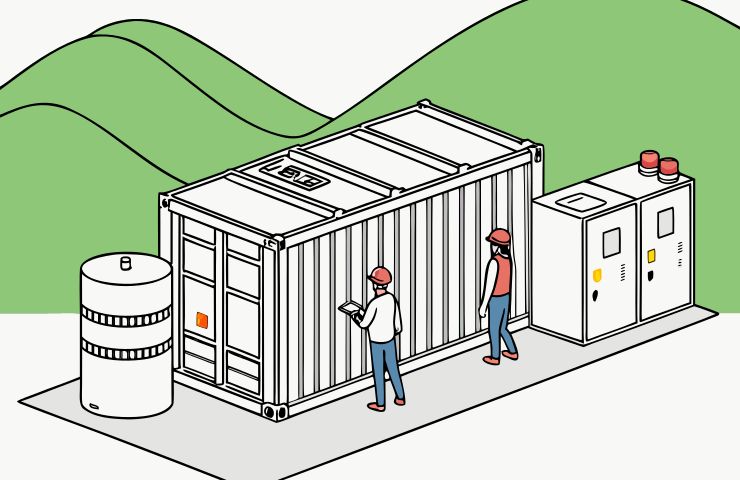
The secret sauce here is Element 1’s L-series reformers snugly packed inside Containerized Power Generators (CPG) or Containerized Hydrogen Generators (CHG). Think of it as a compact, side-by-side mini chemical plant: methanol meets steam, they mingle over a catalyst at just the right temperature, and voilà—you’ve got pure hydrogen and carbon dioxide, all contained within a closed-loop system. From there, hydrogen flows straight into the fuel cells, mixes with oxygen, and powers your servers without breaking a sweat. No bulky electrolyzers, no cryogenic storage—just a nimble, modular setup that slides up next to your racks and fires up instantly when the grid takes a breather.
Made in Taiwan, made for Taiwan’s future
Aurosi Precision Co., Ltd. brings its A-game in Taichung City, where it already pumps out about 3 GWh of battery energy storage systems each year and masters precision engineering for hydrogen gear. By partnering with Element 1, they’re keeping procurement, assembly, and testing of these containerized units local—right in Taiwan. That means faster ramp-up times, slimmer price tags, and a fresh crop of skilled jobs in the clean-tech sector. It’s a textbook example of how homegrown manufacturing can supercharge a nation’s energy infrastructure.
Right in step with Taiwan’s tech boom
Taiwan’s tech landscape is hotter than ever—AI clusters sprouting in science parks, new fabs churning out chips, and supercomputing centers making headlines. Remember the Foxconn-NVIDIA plan for that billion-dollar supercomputer? They’ll need rock-solid backup power that won’t skip a beat if the grid hiccups. That’s where an on-demand, low-carbon solution shines—whether you’re running a massive hyperscale data hall or a boutique R&D lab, having silent, emission-free backup power on standby is a major plus for both uptime and ESG reports.
Benefits for the planet and the economy
Trading diesel generators for PEM fuel cells fueled by methanol-to-hydrogen reformers is a win-win. Environmentally, you ditch the soot and smog-forming pollutants—they’re replaced by harmless water vapor. That’s a breath of fresh air for local communities and a solid step toward Taiwan’s net-zero roadmap. Economically, Aurosi’s local assembly lines boost high-skilled employment and nurture advanced manufacturing know-how. Plus, since methanol can come from regional petrochemical suppliers, logistics costs shrink and import risks ease off. It’s sustainable, economical, and perfectly in tune with the island’s industrial heartbeat.
Element 1’s proven track record and vision
Based in Bend, Oregon, Element 1 Corp. has been at the forefront of methanol-to-hydrogen reforming since the early days. Led by CEO Dave Edlund and a tight-knit team of just over a dozen experts, they’ve collaborated with heavyweights like Mitsubishi Gas Chemical and Hylium Industries. This lean, agile setup lets them iterate quickly, refine their L-series designs, and tailor solutions for partners like Aurosi. Their track record speaks volumes: when you need to turn methanol into hydrogen faster, quieter, and more efficiently, these folks have you covered.
Next steps and project timeline
The MOU lays the groundwork for a firm supply agreement within the next few months, aiming for commissioning by mid-2026. Site surveys and engineering reviews are already in motion, and the inaugural containerized units are slated to ship from Oregon to Taichung before year’s end. Once they’re in place, operators will tap into real-time monitoring tools—tweaking fuel blends, balancing load profiles, and fine-tuning controls from afar via connected software. It’s proactive, data-driven management to keep power flowing without a hitch.
Looking ahead: scaling for Asia’s hydrogen economy
This initial setup covers 2 MW of PEM fuel cell capacity within a 5 MW system, but the sky’s the limit. Both companies are already eyeing bigger plays—think 10 MW or even 20 MW “power parks” fueled by methanol-to-hydrogen chemistry. Sure, there are hurdles like dialing in logistics, matching cost targets against other fuels, and winning over a cautious market. But each container installed builds momentum, stacking up toward a robust hydrogen backbone for Asia, one plug-and-play unit at a time.
By merging Element 1’s reformer wizardry with Aurosi’s precision manufacturing, this collaboration is anything but theory—it’s action, delivering real-world off-grid data center power when and where it’s needed. The formula is delightfully simple: ship in a liquid, press a button, and get clean energy on tap. It’s a shining example of technology and teamwork, made in Taiwan, made for Taiwan’s future.

 With over 15 years of reporting hydrogen news, we are your premier source for the latest updates and insights in hydrogen and renewable energy.