Modular H2 Reactor: Global Power Solutions and Northern Hydrogen Team Up for Scalable Clean Energy
January 27, 2026A Big Splash in Green Hydrogen
I’m genuinely pumped to share some Green Hydrogen News straight from Vancouver. Global Power Solutions Corp. (TSX-V: PWER) has just inked a Letter of Intent with Northern Hydrogen and Energy Ltd. to roll out a Modular H2 Reactor platform. Picture a plug-and-play setup that converts water into clean, dispatchable power—anywhere from a modest 80 kW for a backyard operation up to a massive gigawatt for heavy-duty industrial use. And yes, it’s all about Clean Hydrogen without the headache.
On top of that, technology licensors ModeOne Manpower Systems Corp. and MVP Systems are giving this partnership their full stamp of approval. They’ll hold onto the IP, engineering specs, and quality controls, while Global Power Solutions picks up the existing license rights from Northern Hydrogen. In short, they’re fast-tracking deployments with proven, off-the-shelf tech that’s ready to go.
From Lab to Field: The Rise of Modular H2 Reactors
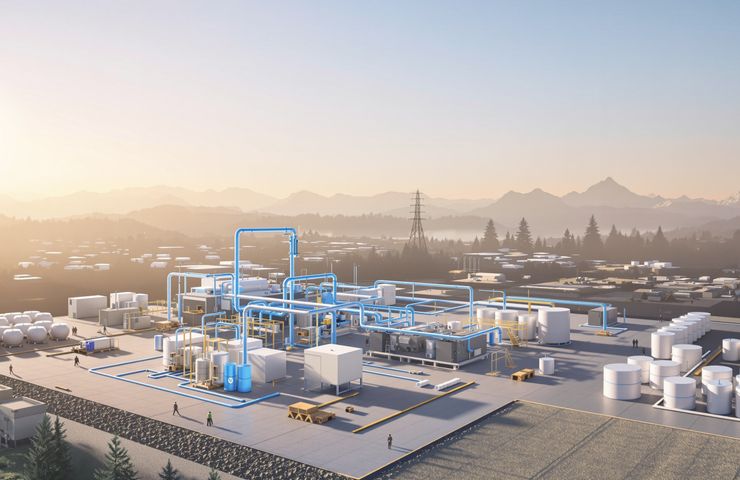
Remember when hydrogen power felt like a science-fair extravaganza—big benches covered in cables, ultra-pure water, and endless calibration? Over the last decade, everything flipped. Global net-zero goals and the scramble for resilient energy systems sparked a shift from bench-scale setups to containerized, scalable units. These Modular H2 Reactor concepts combine water electrolysis, on-site storage, and fuel cells into a smooth, ongoing power cycle.
Then came the energy crunch of the early 2020s. Data centres blossomed, AI workloads exploded, and even a brief blackout could cost millions. Suddenly, portable hydrogen units for military outposts or remote sites weren’t niche projects anymore—they were critical infrastructure. And the real benefit? A system that can hum along day after day, delivering Clean Hydrogen power with zero emissions.
Secret Sauce: Off-the-Shelf Tech, On-the-Ground Impact
Here’s the neat trick: nobody’s reinventing the wheel. All the pieces—electrolyzers, compressors, fuel cells, control systems—already exist in the market. The magic lies in how they’re pieced together. Thanks to the modular design, you can swap out individual blocks for maintenance, slide in new upgrades as they hit the market, or amp up capacity just by stacking more units.
By setting up shop in British Columbia, Global Power Solutions taps into local hydroelectric power for green hydrogen production and a skilled workforce hungry for clean-energy work. Shorter supply chains, regional sourcing, and home-grown expertise all help drive down costs and speed up delivery.
Built for British Columbia—Built for the Future
British Columbia has undergone a dramatic resource transformation. What was once a province defined by forestry and mining is now at the forefront of Canada’s most ambitious clean-energy targets. With abundant renewable electricity and supportive policies, the region is practically tailor-made for hydrogen manufacturing.
This LOI signals a serious commitment: not just to build components, but to turn the manufacturing facility into a hands-on R&D playground. That means design tweaks get tested the same day they’re dreamed up—cutting cycle times and speeding innovation.
Target Applications: Something for Everyone
One reason this Modular H2 Reactor approach is gaining so much traction? Its sheer versatility. Data centres can guarantee uptime, even if the grid hiccups. Military bases get quiet, mobile power that refuels on-site from water. Industrial plants can retrofit modules for process heat or backup generation. And remote communities benefit from reliable, Grid-Independent Power without trucking in diesel or stretching transmission lines.
Don’t forget about heavy-duty transport and peak-shaving, either—these systems are chomping at the bit to tackle everything from long-haul trucking to smoothing out grid spikes.
Scaling with a Clear Roadmap
Global Power Solutions isn’t just kicking the tires—they’re in it for the long haul. They’re aiming to have an 80 kW demonstrator up and running within a year of closing the deal. After that, their growth plan is pretty straightforward: 100 MW by the end of 2028, roughly one gigawatt by 2030, and two gigawatts by 2035. Ambitious? Absolutely—but they’re leaning on tried-and-true Hydrogen Power Systems and solid licensing deals.
Pushing through those milestones will mean nailing down project financing and forging strong ties with utilities, governments, and end users. The good news is that with hydrogen front and center on every energy-security and decarbonization agenda, the dollars are lining up.
Challenges and Next Steps
It won’t all be smooth sailing. The consortium needs to wrangle complex regs around hydrogen safety and permitting. They’ve got to prove consistent performance across everything from sub-zero winters to blistering summers. And the license terms with ModeOne and MVP will need careful balance on royalties and IP protections.
Still, when you stack those hurdles against the growing demand for reliable, low-carbon solutions, the upside is crystal clear. Smart collaboration, iterative testing, and rock-solid project management can knock these challenges out of the park.
Bottom Line: Built for the Energy Transition
Global Power Solutions Corp. and Northern Hydrogen and Energy Ltd. are making waves in the world of hydrogen with their modular, off-the-shelf approach. With manufacturing rooted in British Columbia and a clear path to scaling, this partnership is perfectly positioned to deliver Grid-Independent Power wherever it’s needed—whether that’s data centres, military operations, or remote communities.
Keep an eye on this space—if everything goes to plan, we might be witnessing the dawn of a new era in Clean Hydrogen energy. This collaboration proves that when innovation meets strategic partnership, real-world solutions follow fast.
 With over 15 years of reporting hydrogen news, we are your premier source for the latest updates and insights in hydrogen and renewable energy.