
Moray Council Refuses 70MW Hydrogen Production Facility in Speyside
January 27, 2026Turning Renewable Potential into Clean Fuel, Then a Roadblock
Ever wonder what happens when you try to flip surplus wind and hydro power into green hydrogen and local planning says “no thanks”? That’s the story unfolding in Speyside. Storegga mapped out a 70MW hydrogen production plant that was ready to roll—until Moray Council slammed the brakes on the planning application. Even a £3.1 million boost from the Scottish Government and a thumbs-up from the Scotch Whisky Association couldn’t tip the scales. It was billed as a cornerstone for industrial decarbonization in the whisky industry, giving distilleries a direct line to low-carbon heat and power. Instead, it’s become a cautionary tale in hydrogen infrastructure rollouts.
A Curveball for Speyside’s Hydrogen Ambitions
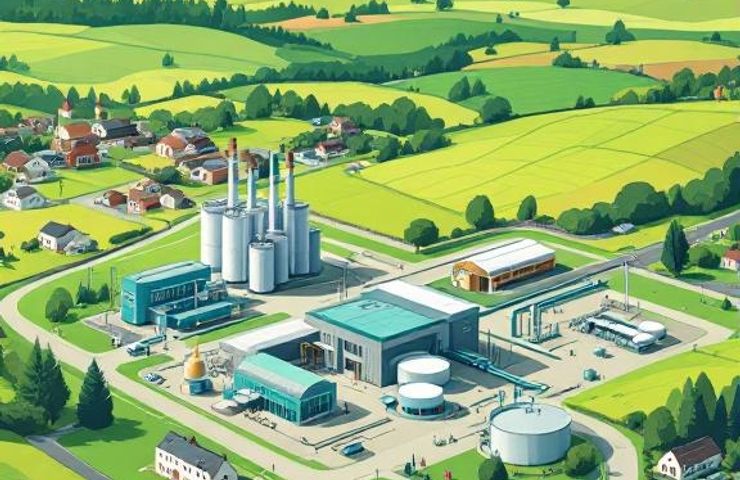
It was a real curveball for clean-energy watchers: Moray Council refused to greenlight the Ballindalloch facility near Marypark. Storegga had touted its spot next to 51 distilleries—about one-third of Scotland’s total—as a sweet market for low-carbon heat and power. The two-hectare site within a 42-hectare boundary looked perfect: steady renewable electricity for on-site electrolysis, plenty of water, a tie-in to the existing gas pipeline network, and easy access off the A95. All the boxes for a next-gen hydrogen infrastructure hub—but the planners just weren’t having it.
The Electrolyser and Pipeline Puzzle
At the heart of it was a 70MW electrolyser set to split water into hydrogen and oxygen using spare renewable juice from the grid. In other words, whenever wind or hydro output got throttled back, the plant would kick in, turning that power into clean fuel. Rather than loading up tube trailers and trucking gas around, the plan was to pump green hydrogen straight into nearby pipelines—trimming both transport costs and carbon emissions. And once the hydrogen hit the distilleries, it’d burn off as mostly water vapor, replacing fossil fuels for process heat and leveling up Scotland’s push for industrial decarbonization.
Why Whisky Needs Hydrogen
Speyside put whisky on the map, but distillers here face a tough uphill battle to ditch fossil fuels. Those big copper stills need high-temperature heat, and many operations still burn gas or oil. Swapping to biomass or going full-electric? Not realistic for everyone—either it’s too pricey or just won’t scale. That’s where green hydrogen came in: a plug-and-play way to get reliable, zero-carbon process heat. The Scotch Whisky Association even names hydrogen as a cornerstone in its Pathway to Net Zero, underscoring how vital it is for the sector’s future industrial decarbonization.
Policy Context: A Hub in Waiting
Scotland’s blueprint for a domestic hydrogen economy—the Hydrogen Action Plan—pinpointed 14 regional hubs to help hit net-zero by 2045. Moray was on that map, complete with a £3.1 million grant and a local council strategy to supercharge hydrogen production and infrastructure. Storegga’s Ballindalloch proposal would’ve been one of the first pilot schemes: installing the 70MW electrolyser for green hydrogen via electrolysis and routing it through pipelines instead of tube trailers. But drafting policy is one thing; making it happen on the ground is another. The knock-back at Ballindalloch raises fresh doubts—can the remaining hubs dodge planning roadblocks in rural spots, even when they promise grid flexibility, economic boosts, and clean-energy wins?
Ripple Effects Beyond Ballindalloch
This isn’t just a hiccup for one site; it sends ripples through the whole ecosystem. Distilleries lose a clear path to industrial decarbonization via hydrogen infrastructure. Investors might hit pause on future projects, spooked by planning uncertainty even with government dollars on the table. Grid operators, who’d welcomed a steady outlet for surplus renewables, suddenly lose a built-in demand sink. And let’s not forget local communities: folks who talk a good game about clean energy can balk when big infrastructure looms in their backyard. It’s a reminder that building tomorrow’s fuel is as much a social puzzle as an engineering one.
Funding, Ownership, and What Comes Next
Storegga isn’t folding up its tent yet. After the refusal, they’ve been shopping the project around, looking for new backers to take the baton. The team still reckons those first batch of hydrogen deliveries—initially penciled in for 2028—might happen under fresh leadership. But whoever steps in will face the same planning tightrope: do you slim down the design to lessen visual or environmental impacts, or scout a different site altogether? Their choices won’t just shape Speyside’s clean-fuel dreams; they’ll test the credibility of Scotland’s wider hydrogen narrative.
Looking ahead, the big question isn’t just how many megawatts of electrolysis capacity Scotland can install, but how it wins hearts and minds for each new project. The Speyside setback shows that building hydrogen infrastructure needs social licence in equal measure to technical feasibility. If the remaining 13 hubs can clear these community hurdles without tripping over red tape, Scotland’s net-zero roadmap stays intact. Otherwise, we risk a plan that shines on paper but stalls on the ground—right in the fields and farms of the Highlands.

 With over 15 years of reporting hydrogen news, we are your premier source for the latest updates and insights in hydrogen and renewable energy.