
NACHIP Opens Funding Round for SME Pilots in North Adriatic Region
February 13, 2026At a Glance
Here’s the need-to-know about the first open call:
- NACHIP is offering up to €60,000 per SME to pilot solutions beyond TRL>7.
- The total fund pot is €540,000, ready to back up to 18 SMEs across five North Adriatic sites.
- They’re zeroing in on green hydrogen production, hydrogen storage and real-world utilisation tech.
- Run by EISMEA under the EU’s I3 Instrument, this builds on a €7.6 million seed grant to the 12-partner consortium in early 2024.
- Eligible applicants? SMEs based in key industrial and port hubs across Italy, Slovenia and Croatia.
If you’re fine-tuning hydrogen production setups or pushing the boundaries on fuel cell technology, this is your ticket to pilot-scale demos in one of Europe’s energy transition hotspots. The North Adriatic Clean Hydrogen Investment Platform—aka NACHIP—has just kicked off its first cascade funding round, aimed at getting your mature prototype out of the lab and into real-world action.
Backing from Brussels
Under the wing of the European Innovation Council and SMEs Executive Agency (EISMEA), the EU’s I3 Instrument is all about pushing interregional innovation. If your proposal makes the cut, you’ll snag 70% of the funding upfront, with the balance paid out once you hit your milestones. It’s a lump-sum approach that cuts through red tape so you can zero in on the tech and commercial bits of your pilot.
Building on Past Efforts
NACHIP stands on the shoulders of the North Adriatic Hydrogen Valley (NAHV) initiative. That project brought together more than 20 public and private partners—think research institutes, industry players and local governments—to map out cross-border hydrogen infrastructure corridors. They nailed down safety protocols, set up refuelling networks and smoothed stakeholder coordination. Now, NACHIP is stress-testing those blueprints across five demonstrator sites—from port logistics to municipal heating—so you can hit the ground running with pre-cleared locations and existing stakeholder deals.
Thanks to NAHV’s groundwork, you’ll shave off time and costs on site approvals and technical planning, funneling more of your budget straight into prototype tweaks rather than paperwork.
Ecosystem and Partnerships
The 12-strong consortium spans Italy, Slovenia and Croatia, blending research hubs, infrastructure operators and industry champions like Hydrogen Europe. Beyond the cash, you’ll get mentoring, matchmaking events and policy deep-dives. With insights from Hydrogen Europe on standards and from research centers on data analytics, your SME can fine-tune both the tech design and go-to-market plan in lockstep with the EU’s Clean Hydrogen Strategy.
Who Can Apply
If your SME is registered in one of the EU’s North Adriatic corridor regions, you’re in the game—provided your project sits at TRL>7 (ready for real-world trials, not just bench tests). Whether you’re optimizing a next-gen electrolyser, trialling advanced hydrogen storage materials or rolling out a compact fuel cell unit, this funding covers up to six months of field validation. Single SMEs can request up to €60,000, while multi-partner consortia can stretch that to €180,000.
Regional Pilots in Focus
- Friuli-Venezia Giulia and Veneto (Italy): demoing hydrogen mobility solutions and industrial heat applications around busy ports and manufacturing hubs.
- Coastal Slovenia: adapting existing gas networks for cross-border hydrogen transport and refuelling.
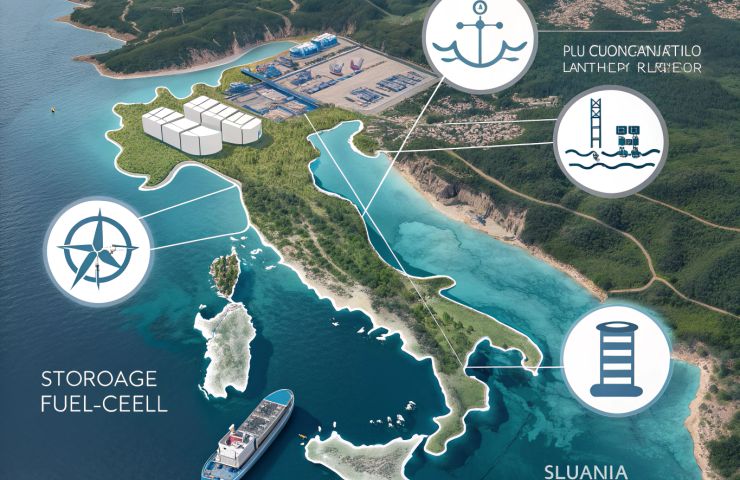
- Northern Adriatic Croatia: pairing wave energy converters with electrolysers to explore hybrid renewable-to-green hydrogen production.
These sites mirror real-world operations—think actionable data, not just lab figures.
Technical Dive
At TRL>7, you’re out of the test-tube stage and into system trials. Key areas include:
- Scaling up an electrolyser and measuring efficiency under fluctuating renewable inputs.
- Optimizing hydrogen storage materials for better energy density and safety.
- Prototyping compact fuel cell technology modules for vehicles or stationary setups.
- Tweaking process optimization around reaction kinetics and energy management.
- Integrating with on-site solar or wind assets to balance loads and ease grid reliance.
Collateral Impacts
These pilots are more than just tech tests—they spark regional economic and environmental wins:
- Creating engineering and operations jobs in the cohesion regions.
- Laying the groundwork for over €800 million in follow-on investments once demonstrators prove successful.
- Strengthening cross-border ties by harmonizing administrative and technical standards.
- Feeding data back to EU policymakers, sharpening the wider green hydrogen and industrial decarbonization roadmap.
The high maturity bar reduces technical hiccups, while the streamlined funding model limits financial risk for SMEs.
What’s Next
Once this round wraps up in early 2026, get ready for a second open call riding on the remaining NACHIP budget. The consortium will compile performance metrics and host follow-up events—often in tandem with Hydrogen Europe. As part of this network, you’ll have chances to share your findings, pitch to investors and help shape future policy.
If your prototype is production-ready, this isn’t just a funding lifeline—it’s an invitation into a plug-and-play ecosystem that stretches from labs and ports to grid operators and policy experts.
Looking Ahead
This year, as Europe races to scale up hydrogen infrastructure and drive real industrial decarbonization, these North Adriatic pilots could become the go-to model. So if you’ve got tech itching for a real-world debut, now’s the perfect moment to step up and steer the clean energy future.


 With over 15 years of reporting hydrogen news, we are your premier source for the latest updates and insights in hydrogen and renewable energy.