Natural hydrogen exploration takes off in Huesca with SAMCA’s six new permits
June 11, 2026Nestled at the base of the stunning Spanish Pyrenees, the province of Huesca is really shaking things up in Europe’s energy scene. Right now, SAMCA, a versatile industrial group that started back in the 1950s with mining, is leading the push into natural hydrogen. By landing six new exploration permits, they’re kickstarting a wave of innovation that could transform local economies, turbocharge Spain’s energy transition, and give us a sneak peek into the future of clean fuel production.
A New Chapter in Huesca’s Energy Story
Huesca, with around 226,000 residents, has a diverse history blending mountain agriculture, livestock, forestry, mining, and hydroelectric power. In recent years, the region has embraced wind and solar energy, but now the focus is shifting to tapping into naturally occurring hydrogen below the surface—a bold step into new territory. Companies are reinvestigating old boreholes in search of this so-called ‘white gold.’ Local leaders see this natural hydrogen exploration as a key driver for investment and job creation. With six new research permits in hand, SAMCA is expanding its reach, building on its existing authorizations in Aragón.
Strong Partnerships Power Progress
Unlocking the potential of natural hydrogen is all about teamwork. In Aragón, the Gobierno de Aragón has made it easier to obtain permits under Spain’s Mining Law, allowing natural hydrogen exploration to move forward alongside other resources. This collaboration aligns perfectly with regional energy goals and Spain’s larger hydrogen strategy, which aims to create a network throughout the Ebro valley. On top of that, the growing ecosystem brings together industrial partners, academic institutions, and specialized service providers—from seismic survey experts to drilling pros—making the most of Aragón’s rich mining history.
Exploring the Subsurface ‘White Gold’
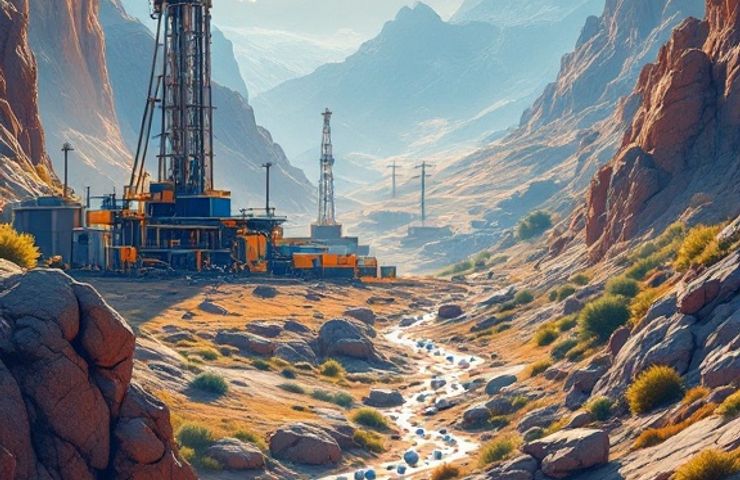
Natural hydrogen is unique because it collects in geological traps without needing to go through industrial processes first. To find these reservoirs, teams are diving back into seismic data, mapping fault lines, and conducting focused drilling tests. With those six new permits, SAMCA plans to explore structures in the Ebro valley and Pyrenean foothills, where they suspect ultramafic rocks might produce hydrogen through processes like serpentinization or water radiolysis. Each borehole will be checked for flow rates, reservoir sizes, and gas purity to determine how to safely separate and deliver this hydrogen.
Leveraging Aragón’s Mining Heritage
Founded in the 1950s by Ángel Luengo, Grupo SAMCA started out focusing on coal and minerals in Teruel. Over the decades, they’ve expanded into renewable energy, agriculture, plastics, and even large-scale green data centers. Nowadays, the group boasts an impressive audited turnover of about €1.226 billion and employs roughly 3,800 folks. This robust foundation allows them to embark on ambitious exploration projects. For instance, their planned €2.6 billion investment in three green-powered data centers in Luceni shows how hydrogen exploration can connect seamlessly with clean energy, digital infrastructure, and local industries.
A Glimpse into a Hydrogen-Powered Future
If SAMCA finds viable natural hydrogen reservoirs, Huesca could experience a boom in drilling activities, alongside job creation in geology and field services. Plus, production wells could contribute to Spain’s hydrogen grid, supporting everything from cleaner steel production to powering heavy-duty vehicles. It’s happening globally too—countries like France and Belgium are already mapping out their own white hydrogen projects. In Spain, early innovators are proving that natural hydrogen can complement green hydrogen, potentially lowering costs and reducing carbon footprints without compromising quality.
Sustainable Momentum and Local Impact
Of course, exploring natural hydrogen comes with its own set of environmental responsibilities. NGOs like Ecologistas en Acción and IIDMA have raised valid concerns regarding landscape impacts and legal clarity, pointing to tensions around the Monzón project. Acknowledging these challenges, SAMCA and local regulators are committed to conducting thorough environmental impact assessments, employing best practices for site restoration, and actively involving local communities in the process. By being proactive about issues like water interactions, induced seismicity, and gas leakage, they aim to set a new standard for future projects, not just in Spain but beyond.
Charting Spain’s Energy Transition Pathway
Spain’s hydrogen strategy has predominantly focused on green hydrogen produced through renewable-powered electrolysis. By integrating natural hydrogen into the energy mix, Aragón could diversify its energy sources, bolster supply security, and potentially cut production costs. The recent permits issued by the regional government mark a significant step as white hydrogen shifts from being just a concept to something that’s commercially viable. As SAMCA begins drilling its first exploratory holes under these new guidelines, investors, policymakers, and community leaders will be keenly observing to see if Huesca’s subsoil holds the ‘white gold’ that could transform the local industry.
Leading the Charge in Europe’s Hydrogen Network
With those six new exploration permits under its belt, SAMCA is positioning Huesca as a crucial player in Europe’s emerging hydrogen infrastructure. It’s an opportunity that harnesses local geology, corporate expertise, and a supportive framework—providing a glimpse into a future where natural and green hydrogen can work hand in hand. If all goes according to plan, this initiative could spark further research, draw in more investments, and solidify Aragón’s status as a pioneering region for hydrogen production. That’s the power of strategic partnerships and a visionary approach to cleaner energy.

 With over 15 years of reporting hydrogen news, we are your premier source for the latest updates and insights in hydrogen and renewable energy.