Nel ASA Unveils Pressurized Alkaline Platform to Slash Green Hydrogen Production Costs
Nel ASA’s new pressurized alkaline electrolyzer platform at Herøya targets sub-USD 1,450/kW turnkey costs, backed by a €135M EU grant, with 1 GW/year capacity set to start in 2027.
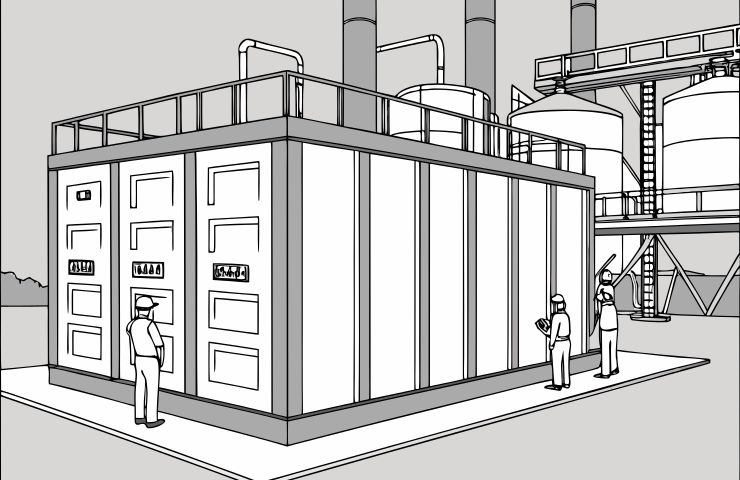
In a move to shake things up in the world of hydrogen production, Nel ASA has just launched its latest creation—a new pressurized alkaline electrolyzer platform straight from its manufacturing hub in Herøya, Norway. This innovative system brings together factory-assembled modular skids along with high-pressure operations. What does that mean for the cost? Well, it's set to bring those turnkey expenses down to below USD 1,450 per kilowatt for green hydrogen projects that are 25 MW or larger. Thanks to some hefty support from the EU’s Innovation Fund and the expertise of CEO Håkon Volldal, this launch could be a game-changer for Nel, especially in these financially tricky times we’re navigating into 2026.
Key Takeaways for Hydrogen Production and Infrastructure
- Target turnkey cost: Aiming for under USD 1,450/kW for large-scale setups—this is nearly half the usual industry benchmark of USD 3,000/kW.
- Modular skids can slash site civil works by as much as 60%, leading to faster installations and fewer cost overruns.
- Operating at 15–30 bar pressure means less—or no—need for external hydrogen compression, which boosts efficiency.
- The EU Innovation Fund is backing this with a €135 million grant, helping to lower capital expenditure risks and support industrialization efforts.
- Plans for an annual production capacity of 1 GW by 2027, with possibilities to expand to 4 GW later on.
Bringing Down Costs with Factory-Assembled Skids
The high capital requirements and complexity of engineering have often slowed the adoption of green hydrogen. But here comes Nel with a clever solution! By sending fully welded and tested electrolyzer modules straight from Herøya, they’re cutting out the need for customized civil works and the headaches of onsite assembly. Customers can simply bolt these individual skids together on a flat surface—or even outdoors—bringing down foundation, piping, and labor costs by about 40% to 60%. This strategy aligns with trends we’re seeing in other sectors, like containerized battery storage, where standardization is making a big difference.
Pressurization for Efficiency Gains
Typically, traditional alkaline electrolyzers operate at or near atmospheric pressure, which often requires extra compression later on for things like pipeline injection or storage. Not Nel! Their stacks are designed for continuous use at a whopping 15–30 bar. This setup offers several advantages:
- Reduced Compression Energy: Producing hydrogen at these higher pressures means less energy is needed for each kilogram of H₂ delivered.
- Tighter Footprint: These pressurized stacks are more compact, which helps cut down the amount of piping and valves needed.
- High Purity Output: Operating under pressure helps keep the hydrogen's purity above 99.99%, which is crucial for fuel cells and sensitive industrial tasks.
On top of that, the skid modules come equipped with power electronics that can adjust the output based on changing renewable energy supplies. This not only reduces wastage but also boosts the overall system's performance.
Anatomy of the Electrolysis Cell
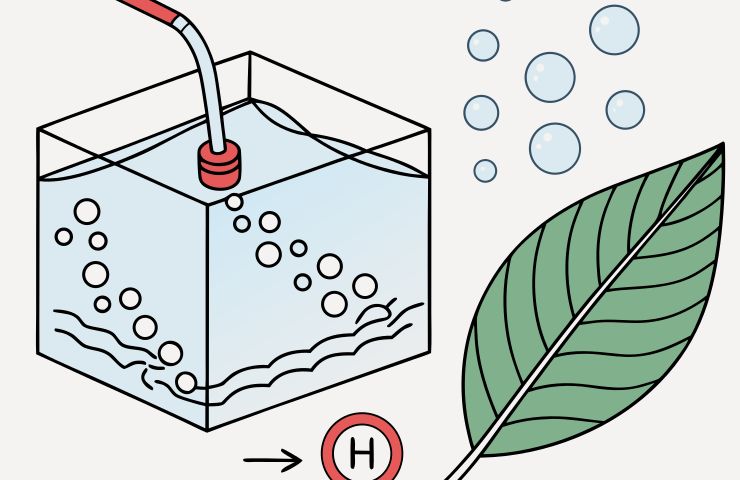
- Electrolyte System: A potassium hydroxide (KOH) solution, pumped at 25–40%, circulates between the cathode and anode chambers.
- Electrode Reaction: On the anode side, hydroxide ions oxidize to create oxygen and electrons. Those electrons then flow through an external circuit to the cathode, where water is reduced to hydrogen and hydroxide ions.
- Diaphragm Separator: The diaphragm is built tough to prevent gas crossover while allowing hydroxide ions to complete the circuit, making operations safer and more efficient.
- Thermal Management: The operational temperatures stay between 50–80°C, striking a balance between reaction performance and the longevity of the components.
This technology is a continuation of a legacy that dates back to 1927, when Norsk Hydro first brought industrial alkaline units into play at Notodden to support ammonia production using hydropower. With this new generation, Nel is taking that century-old foundation and thrusting it into today’s age of industrial decarbonization.
Financing the Green Transition
Even as Nel reported revenues of NOK 148 million in the first quarter of 2026 along with an operational loss, the company is firmly committed to its next-gen strategy led by CEO Håkon Volldal. Coming on board in mid-2022 after his roles as Executive Vice President at TOMRA and as President/CEO of Q-Free, Volldal is steering the company toward cost-effectiveness and scalable manufacturing. Here’s a look at some of the key financial support:
- EU Innovation Fund Grant: A €135 million grant that covers up to 60% of capital expenses for rolling out this new platform, helping to ease early deployment risks. The first installment—around €10 million—is aimed at upgrading production lines this quarter.
- Strategic Partnerships: Collaborating with system integrators like SFC Energy, which bundle electrolyzers with fuel cells, hydrogen storage, and power electronics for both mobile and off-grid applications.
- Project Financing: Thanks to reduced capital requirements, projects that used to be sidelined due to costs at USD 3,000/kW can now meet investment criteria, expanding Nel's customer base into sectors like fertilizers, maritime, and power-to-X applications.
But it doesn’t stop there! Nel is also in talks with developers and industrial customers across Norway, Germany, and the Netherlands. The first pilot deployments of these skids are planned for next year at several hydrogen valleys, which are already setting up integrated supply chains—from wind farms to ammonia plants. While details on offtake contracts are still being ironed out, these discussions signal a positive shift in market sentiment as policymakers ramp up their decarbonization goals.
Positioning in the Hydrogen Economy
Europe has set a goal of reaching 40 GW of electrolyzer capacity by 2030, and Norway is looking to become a top player in green hydrogen exports, thanks to its rich hydroelectric resources. With that backdrop, the Herøya Industrial Park—which hosts Yara’s 24 MW renewable hydrogen plant alongside traditional fertilizer facilities—has emerged as a prime hydrogen valley. Backed by Norway’s state-backed energy agency, Enova SF, and supported by EU funding, Herøya is shaping up to be a blueprint for integrated hydrogen infrastructure.
Nelis’s anticipated 1 GW/year production line kicking off in 2027, with a possibility to expand to 4 GW, is set to plug right into this setup. It could supply electrolyzer modules to projects across Europe and beyond.
Risks and the Competitive Landscape
Of course, no transition in technology comes without its bumps in the road. Here are some key risks for Nel’s new platform:
- Scale-Up Complexity: Achieving high yields in the production of electrodes, diaphragms, and stacks as the scale ramps up to gigawatt levels might be tricky.
- PEM Electrolyzer Competition: PEM systems may be more appealing for projects linked to renewables due to their quicker start-stop capabilities.
- Legacy Asset Impairments: Ongoing write-downs at existing facilities could pressure earnings in the coming quarters.
- Market and Policy Variability: The success of financing and deployments heavily relies on supportive regulations, stable energy prices, and solid offtake agreements.
Broader Implications for Decarbonization
If Nel hits its target levelized cost of hydrogen (LCOH) of around USD 2.5/kg by 2030, the ripple effects could be profound:
- Sustainable Shipping: Fuel cell technology and hydrogen bunkering become feasible options for maritime operators.
- Clean Ammonia Production: Green hydrogen could replace grey hydrogen from fossil sources in fertilizer manufacturing.
- Renewable Energy Storage: Hydrogen storage could develop into a long-term solution for balancing wind and solar energy generation, thus enhancing grid resilience.
Laying the groundwork for these cost reductions could solidify hydrogen's role in a balanced sustainable energy mix, assisting industries in meeting their net-zero targets and bolstering hydrogen infrastructure expansion across Europe and beyond.
Looking Ahead
Nel's success relies heavily on turning industry interest into actual contracts, showcasing reliable operation of pressurized skids in real-world scenarios, and boosting production without sacrificing quality. If they pull this off, it could solidify Nel's position as a leader in green hydrogen production and fast-track the transition to zero-emission technology across heavy industries, transportation, and energy storage.