Netflix Expands Hydrogen Power for Film and TV Productions
Netflix is swapping diesel generators with hydrogen fuel cells, solar panels and battery systems on its global film and TV sets, aligning with its renewable energy targets and zero-emission mandates. The program aims to cut production emissions and set a new industry standard.
Next time you’re settling in for your Netflix binge, spare a thought for what’s powering the action behind the scenes. Netflix just flipped the script on diesel generators, opting instead for hydrogen power units, portable solar systems and mobile batteries to juice up its global film and TV shoots. It’s a bold leap in film production sustainability—and it could reshape how the whole industry thinks about renewable energy on set.
Why now?
Diesel generators have been the workhorse for off-grid lighting, cameras and craft services for ages—but they’re noisy, costly and spew out greenhouse gases that balloon Netflix’s Scope 3 emissions. With regulators clamping down (California’s already demanding zero-emission power for state-backed shoots by 2027) and audiences calling for greener choices, the pressure was on. Leaving a line item for clean energy in its 2022 sustainability report, Netflix pledged to get half its juice from renewables by 2025. This switch-up? It’s them putting money where their mouth is—and fast-tracking decarbonization across its productions.
What’s changing on set?
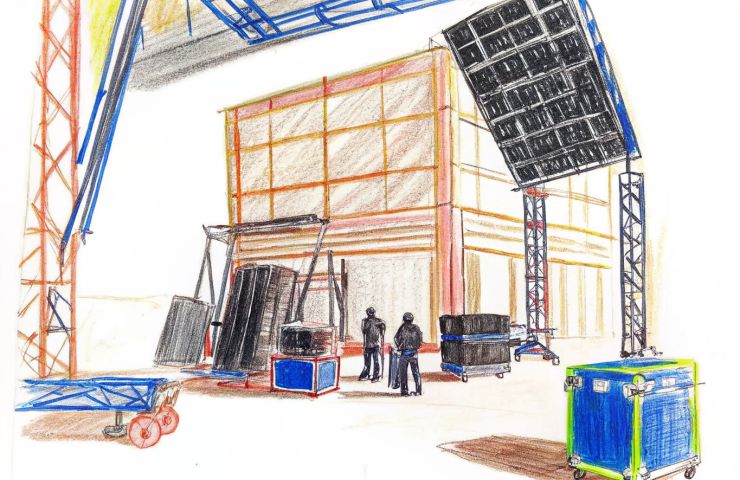
Forget hauling diesel through mud or over rocky trails. Location teams will now set up a three-part microgrid:
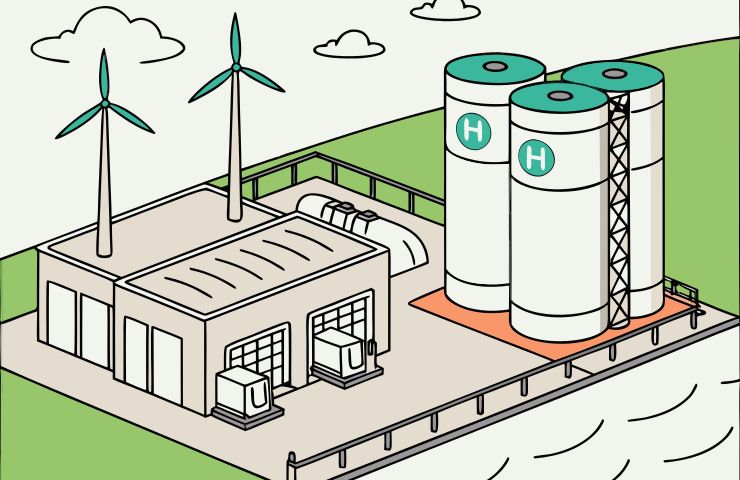
- Hydrogen power units: Compact fuel cells that fuse hydrogen and oxygen to make power, kicking out only water and heat. They’re whisper-quiet and can handle hefty loads.
- Solar systems: Fold-out photovoltaic panels that capture sunlight and convert it into renewable energy. Excess sun power gets parked in battery packs for nighttime shoots or cloudy days.
- Mobile batteries: High-capacity storage that banks extra juice from hydrogen cells and solar panels, so lights stay lit and cameras keep rolling on demand.
Together, these modules form a nimble, plug-and-play grid perfect for desert landscapes or urban backlots. Netflix ran beta tests on smaller shoots, and the word from producers was “nice and quiet, fewer diesel logistics headaches.” No hard numbers yet on savings, but early pilot results were promising.
Who’s behind the shift?
Netflix is steering the ship, with its sustainability squad and production logistics gurus coordinating the rollout across more than 190 markets. While specific equipment partners are under wraps, multiple tech suppliers are on deck to supply and service the systems. Local line producers and crew techs are getting crash courses on handling the clean-energy rigs, too. It’s a cross-functional tag team—creatives, engineers and enviro specialists all in the same huddle.
Benefits beyond the lens
On paper, the perks stack up quickly:
- Reduced carbon emissions: Swapping diesel for hydrogen power and solar nixes a big chunk of production-related pollution.
- Lower operational costs: As prices for renewable energy tech keep dropping, crews save on fuel transport and generator upkeep.
- Regulatory compliance: Staying ahead of zero-emission mandates means fewer permit headaches and shoot delays.
- Industry leadership: Setting the bar for studios and streamers to follow.
A turning point for Hollywood?
Hollywood’s been wrestling with eco-friendly shoots for years, but recent strikes put a magnifying glass on working conditions—and yes, the planet. Green production clauses are creeping into new deals, and Netflix’s move could tip the scales, nudging vendors and suppliers to beef up their clean-tech offerings. Think of it as dominoes—each hydrogen- or solar-powered shoot boosts demand for local fueling stations and portable green hydrogen gear.
The bigger picture
This isn’t Netflix’s first pivot. Remember when they went from DVD mailers to streaming in 2007? By 2016 they’d conquered 190-plus countries—now that global stage gives them a unique lab for rolling out clean energy initiatives at scale. If these kits hum along from the Rockies to the Mediterranean, we could see this become standard practice across the board.
What happens next?
Over the next few months, Netflix plans to expand these hydrogen and solar microgrids on dozens more productions. As the hydrogen supply chain matures and renewable energy infrastructure grows, costs should drop even further—making the case for on-set clean power undeniable. And sure, you won’t see the batteries or fuel-cell trailers on screen, but you’ll feel the impact in our global climate story. Honestly, I can’t wait for the first behind-the-scenes clip where the crew’s charging up with portable solar arrays or firing up a hydrogen fuel cell. It’s proof that every time we hit play, there’s now a much greener operation powering the show.